2026 Guide to Rescue Dog Bonding: The 3-3-3 Rule & Trust Building
Discover the 2026 guide to rescue dog bonding using the 3-3-3 rule, decompression sniffari walks, and enrichment tools to build lasting trust.
The Science of Canine Bonding in 2026
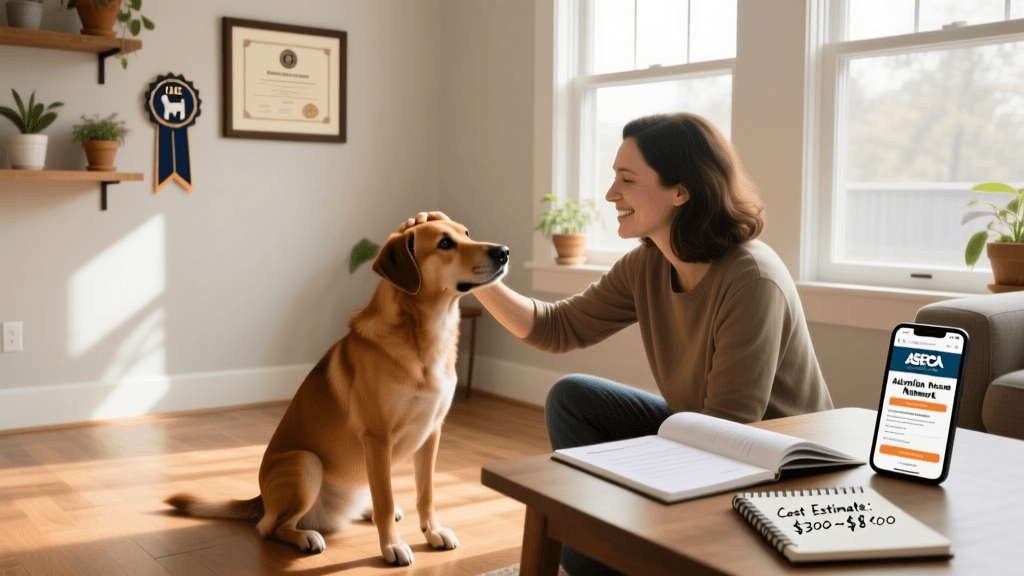
Bringing a newly adopted rescue dog into your home is one of the most rewarding experiences a person can have. However, the transition from a high-stress shelter environment to a quiet living room is a massive psychological shift for a canine. In 2026, veterinary behaviorists and certified dog trainers heavily emphasize that bonding is not an instantaneous event; it is a deliberate, structured process rooted in canine psychology and nervous system regulation. Building trust with a rescue dog requires patience, environmental management, and a commitment to letting the dog set the pace. According to The Humane Society of the United States, the most successful adoptions occur when owners prioritize decompression over immediate obedience training or overwhelming socialization.
Understanding the 3-3-3 Rule of Rescue Dog Adoption
The 3-3-3 rule is a foundational framework for understanding the emotional timeline of a newly adopted dog. It provides a realistic roadmap for what to expect as your new companion adjusts to their forever home.
The First 3 Days: Decompression and Overwhelm
During the first 72 hours, your dog is likely to feel overwhelmed, scared, and unsure of their new surroundings. It is entirely normal for a dog to refuse food, hide under furniture, pace constantly, or sleep excessively as a coping mechanism. They are processing a massive influx of new scents, sounds, and expectations. During this phase, your primary goal is not to teach commands, but to provide a predictable, low-demand environment where the dog can simply exist without pressure.
The First 3 Weeks: Learning the Ropes
By week two and three, the dog begins to settle in. They learn your daily routine, figure out where the food comes from, and start to understand the household rules. This is often when a dog's true personality begins to peek through the initial shell of fear. However, this is also the window where behavioral challenges—such as resource guarding, separation anxiety, or leash reactivity—may surface. Because the dog finally feels safe enough to express their underlying anxieties, it is crucial to respond with patience and positive reinforcement rather than punishment.
The First 3 Months: True Personality and Deep Attachment
After three months, a rescue dog typically feels fully secure in their environment. The deep bond of trust and mutual attachment solidifies during this phase. The dog now views your home as their territory and you as their trusted caretaker. This is the ideal time to introduce more advanced training, structured socialization, and complex enrichment activities.
Creating a Safe Haven: The Decompression Zone
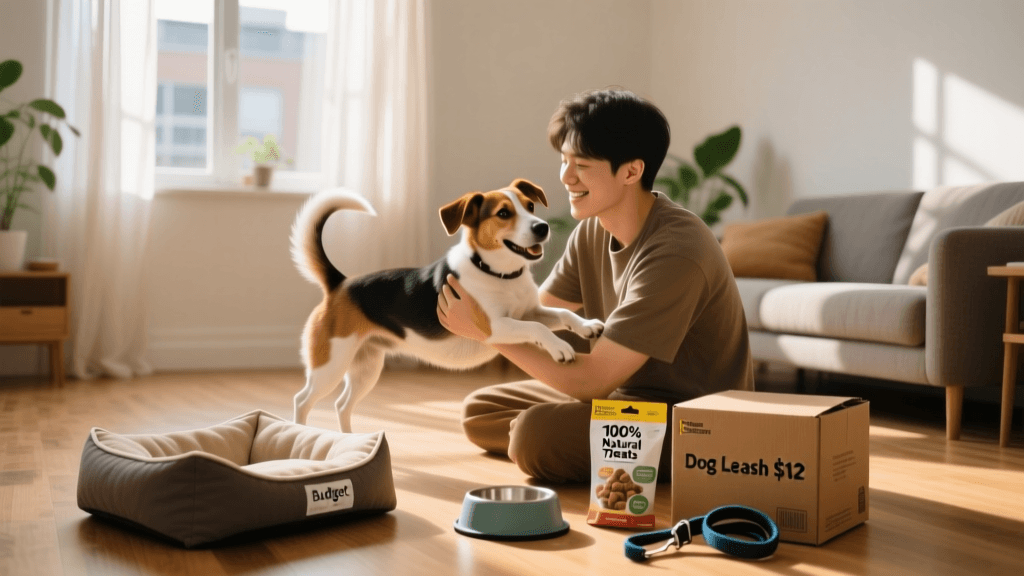
Before bringing your dog home, set up a dedicated 'decompression zone.' This should be a quiet, low-traffic area of the house equipped with a sturdy exercise pen (such as the Midwest Foldable Metal Exercise Pen), a comfortable orthopedic bed, and fresh water. Instead of giving a newly adopted dog free roam of the entire house—which can lead to overstimulation and accidents—the pen provides a safe, den-like boundary. Leave the door open so the dog can choose to retreat to their safe space whenever they feel overwhelmed. This autonomy is a critical component of trust-building.
The Power of 'Sniffari' Decompression Walks
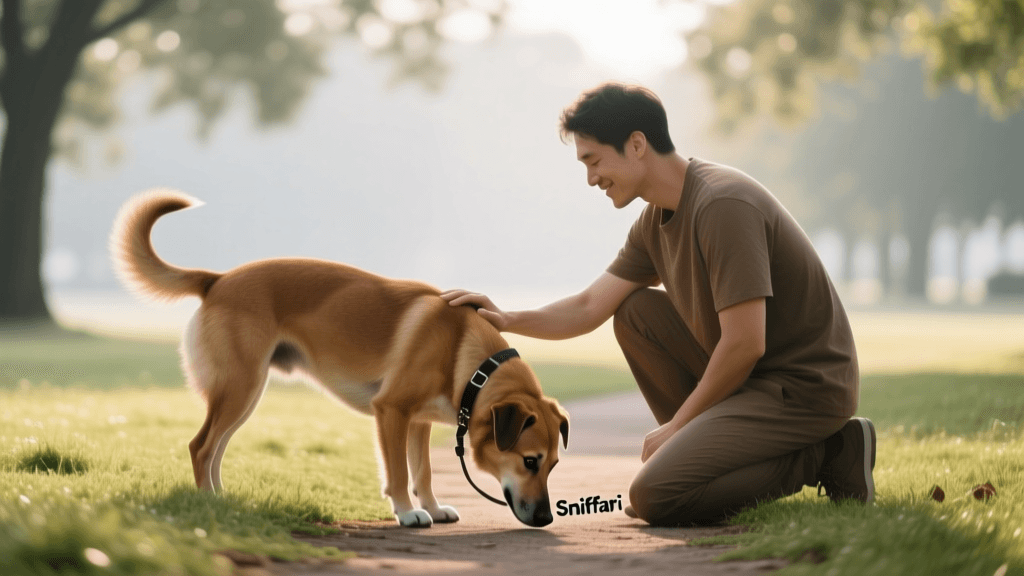
Traditional, structured leash walks are often counterproductive for a newly adopted rescue dog. Instead, 2026 canine behavioral guidelines heavily advocate for 'Sniffaris' or decompression walks. A dog's olfactory system is incredibly complex; up to 30% of a dog's brain mass is dedicated to analyzing scent, compared to just 5% in humans. When a dog sniffs, their heart rate actually decreases, and their brain releases dopamine and endorphins, which naturally lower cortisol (the stress hormone).
To execute a proper Sniffari, attach your dog to a 15-foot Biothane long line using a well-fitted Y-front harness. Biothane is highly recommended in 2026 because it is waterproof, durable, and doesn't burn your hands if the dog suddenly lunges. Take your dog to a quiet, grassy area or a wooded trail, drop the long line, and simply follow them. Let the dog dictate the direction, pace, and duration of the walk. If they want to spend ten minutes sniffing a single tree stump, let them. This low-pressure activity builds profound trust because you are allowing the dog to engage in their most natural, soothing instinct without human interference.
2026 Bonding Toolkit: Top Interactive Enrichment Gear
Bonding isn't just about cuddling; it is about providing for a dog's mental and emotional needs. The ASPCA Dog Enrichment Guide highlights that mental stimulation is often more exhausting and satisfying for a rescue dog than physical exercise. Here is a comparison of the top enrichment tools recommended for the decompression phase:
| Product | Primary Bonding Benefit | 2026 Est. Price | Best For |
|---|---|---|---|
| LickiMat Soother | Repetitive licking releases endorphins and calms the nervous system. | $12.99 | Anxious dogs who need help settling down in their crate or pen. |
| Wool Snuffle Mat | Encourages natural foraging instincts and builds confidence through scent work. | $28.50 | High-energy dogs who need mental exhaustion without physical impact. |
| KONG Classic (Red) | Provides a safe, predictable outlet for chewing and problem-solving. | $18.95 | Power chewers who need a durable, stuffable puzzle toy. |
| Adaptil Calm Home Diffuser | Emits synthetic dog-appeasing pheromones to signal environmental safety. | $45.00 | Fearful rescues adjusting to a new indoor living space. |
Reading Canine Body Language During Bonding
A critical aspect of relationship building is learning to read your dog's subtle stress signals. Many new owners misinterpret a dog's freezing or lip-licking as 'stubbornness' when it is actually a plea for space. In 2026, Fear Free veterinary practices emphasize the importance of recognizing 'calming signals.' If your dog yawns when not tired, licks their lips when no food is present, shows 'whale eye' (the whites of their eyes), or suddenly starts scratching themselves, they are communicating stress. Respecting these signals by giving the dog space immediately builds massive trust. The dog learns that you listen to their boundaries, which is the ultimate foundation of a secure bond.
Common Bonding Mistakes New Owners Make
- Throwing a 'Welcome Home' Party: Inviting friends and family over in the first week severely overstimulates a rescue dog. Keep your circle small and quiet for at least the first 14 days.
- Forcing Physical Affection: Hugging, looming over, or forcing a dog to be petted can trigger defensive behaviors. Instead, sit on the floor, avoid direct eye contact, and let the dog approach you. Offer a treat or gentle scratches on the chest only if they initiate contact.
- Punishing Fear-Based Behaviors: Growling, hiding, or snapping are symptoms of fear, not dominance. Punishing these behaviors suppresses the warning signs and damages trust. Consult a certified force-free behaviorist if you encounter severe fear reactivity.
- Rushing the Crate Training Process: A crate should be a sanctuary, not a prison. Feed meals inside the crate with the door open, and never use it as a timeout zone during the decompression phase.
Conclusion
Bonding with a rescue dog is a marathon, not a sprint. By embracing the 3-3-3 rule, prioritizing decompression sniffari walks, and utilizing modern enrichment tools, you lay the groundwork for a relationship built on mutual respect and deep trust. Remember that every dog has a unique timeline. Some may attach to you in three days, while others may take three months to finally let their guard down. Celebrate the small victories—a relaxed sigh, a soft gaze, or a gentle lean against your leg—and trust the process. The patience you invest in these early days will yield a loyal, loving companion for the rest of their life.
anouk-beaumont
All our authors care for dogs every day — read more of their work on the authors page.