Top Work-From-Home Puppy Breeds & First-Year Care 2026
Discover the best puppy breeds for remote workers in 2026. Learn first-year care, potty training, and socialization tips for your new WFH companion.
The Work-From-Home Puppy Paradigm in 2026
As we navigate the professional landscape of 2026, remote and hybrid work models have permanently reshaped our daily routines. For many, the home office is now a permanent fixture, bringing with it the unique opportunity to raise a puppy while working. However, not all breeds are suited for the work-from-home (WFH) lifestyle. High-energy herding dogs or vocal hounds can disrupt important video calls and demand more physical exertion than a busy remote worker can provide between meetings.
Raising a puppy during its critical first year requires a strategic approach to feeding, potty training, teething management, and early socialization. When you pair these developmental needs with the constraints of a remote work schedule, selecting the right breed becomes paramount. This comprehensive guide explores the best puppy breeds for remote workers in 2026 and provides an actionable, month-by-month care strategy to ensure your new companion thrives in your home office environment.
Top 3 Puppy Breeds for Remote Workers
When selecting a WFH puppy, you want a breed that is affectionate, relatively quiet, and content with moderate exercise. According to the American Kennel Club (AKC), companion breeds that historically thrived on human proximity without demanding intense physical labor are ideal for modern remote workers.
1. Cavalier King Charles Spaniel
Cavaliers are the ultimate lap dogs. They are incredibly attuned to their owner's emotions and will happily sleep on a dog bed under your desk for hours. They require moderate daily walks but are not prone to destructive boredom if left alone in a playpen while you take a long conference call.
2. Bichon Frise
Known for their cheerful disposition and hypoallergenic coats, Bichons are highly adaptable. They are intelligent and respond beautifully to positive reinforcement training, making potty training between Zoom calls much more manageable. Their alert nature means they will let you know if someone is at the door, but they are not excessive barkers.
3. Japanese Chin
A lesser-known gem for apartment-dwelling remote workers, the Japanese Chin is a low-energy, quiet, and deeply devoted companion. They possess a cat-like independence that helps stave off separation anxiety when you do need to run errands or visit a hybrid office.
Breed Comparison Chart for Remote Workers (2026 Data)
| Breed | Adult Weight | Energy Level | Barking Tendency | 2026 Est. First-Year Cost |
|---|---|---|---|---|
| Cavalier King Charles Spaniel | 12-18 lbs | Low to Moderate | Low | $2,800 - $3,500 |
| Bichon Frise | 12-18 lbs | Moderate | Moderate | $2,500 - $3,200 |
| Japanese Chin | 7-11 lbs | Low | Low | $2,200 - $2,900 |
Note: First-year costs include initial veterinary care, premium puppy food, pet insurance (averaging $55/month in 2026), and essential WFH gear like indoor potty systems and smart cameras.
First-Year Feeding Schedules for Low-Energy Breeds
Because WFH-friendly breeds like the Cavalier and Japanese Chin are prone to weight gain, managing their caloric intake during the first year is critical. Unlike high-energy working breeds that burn thousands of calories a day, companion breeds require precise portion control.
- 8 to 12 Weeks: Feed three measured meals a day using a high-quality, small-breed puppy formula. Small breeds have higher metabolic rates relative to their size and are prone to hypoglycemia, so consistent meal timing is vital.
- 3 to 6 Months: Transition to three slightly larger meals. Incorporate puzzle feeders or snuffle mats to slow down eating and provide mental stimulation while you are focused on deep work.
- 6 to 12 Months: Gradually transition to two meals a day (morning and early evening). Monitor their body condition score closely; you should be able to feel their ribs without pressing hard, but not see them prominently.
Potty Training Between Zoom Calls
Potty training a puppy while working from home requires a blend of strict scheduling and environmental management. The 'Pomodoro Potty Method' is highly effective for remote workers: work for 45 minutes, then take a 10-minute puppy break for play and potty.
Utilizing Indoor Potty Solutions
For those in high-rise apartments or during harsh winter months, stepping outside every hour is impossible. In 2026, subscription-based indoor grass patches like DoggieLawn or Fresh Patch are indispensable for WFH puppy owners. Place the patch in a designated corner of your home office or an adjacent bathroom. Pair this with a consistent verbal cue like 'go potty' to build a reliable habit.
Crate Training for Focus Blocks
When you have a critical two-hour presentation, your puppy must be safely contained. Introduce the crate early using high-value treats. A puppy-safe chew toy stuffed with frozen, xylitol-free peanut butter will keep them occupied and quiet while you are on camera. Never use the crate as punishment; it should be their designated 'nap and chill' zone.
Teething and 'Quiet Time' Management
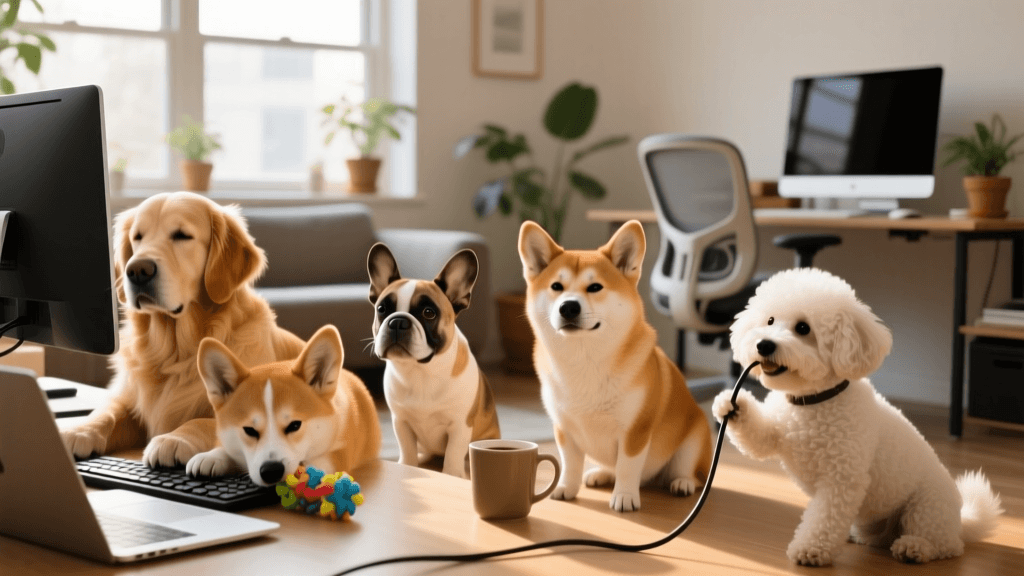
The teething phase, which peaks between 12 and 16 weeks, can lead to excessive whining, chewing on desk cables, and general restlessness. Managing this phase is essential for maintaining a professional remote work environment.
- Cable Management: Invest in heavy-duty cord protectors and cable sleeves. Puppies will chew through expensive monitor cables and laptop chargers in seconds.
- Cold Therapy: Freeze damp, twisted washcloths or specialized rubber teething toys. The cold numbs their inflamed gums and provides a quiet, long-lasting distraction.
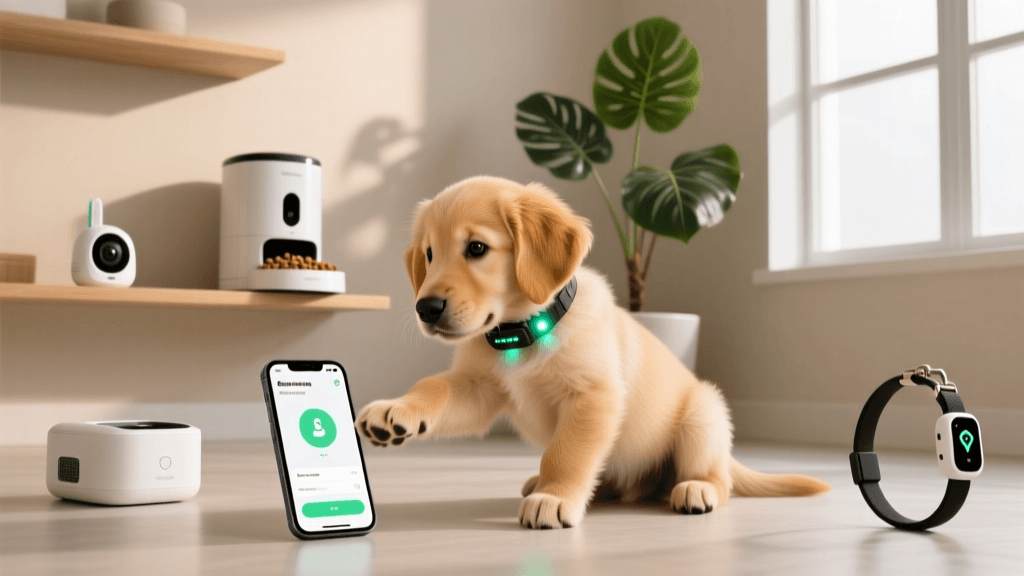
- Interactive Smart Toys: Automated rolling balls or treat-dispensing cameras (like the Furbo 3) allow you to toss a treat and engage your puppy for a few seconds without leaving your desk, breaking their boredom cycle before it turns into vocalization.
Early Socialization & Preventing Separation Anxiety
The most significant risk for a WFH puppy is separation anxiety. Because you are always home, the puppy assumes this is the permanent state of affairs. When you eventually return to a hybrid office schedule or leave for a weekend trip, the sudden absence can trigger severe behavioral issues. The ASPCA emphasizes that prevention through early, structured alone-time training is far easier than treating anxiety later.
The 'Departure Desensitization' Protocol
Starting at 10 weeks old, practice leaving your puppy alone. Begin by simply stepping out of the room and closing the door for two minutes while they are engaged with a food puzzle. Gradually increase the time to 10, 20, and eventually 60 minutes. Leave the house for short errands daily. This teaches the puppy that your departures are temporary and predictable.
Socialization in a Hybrid World
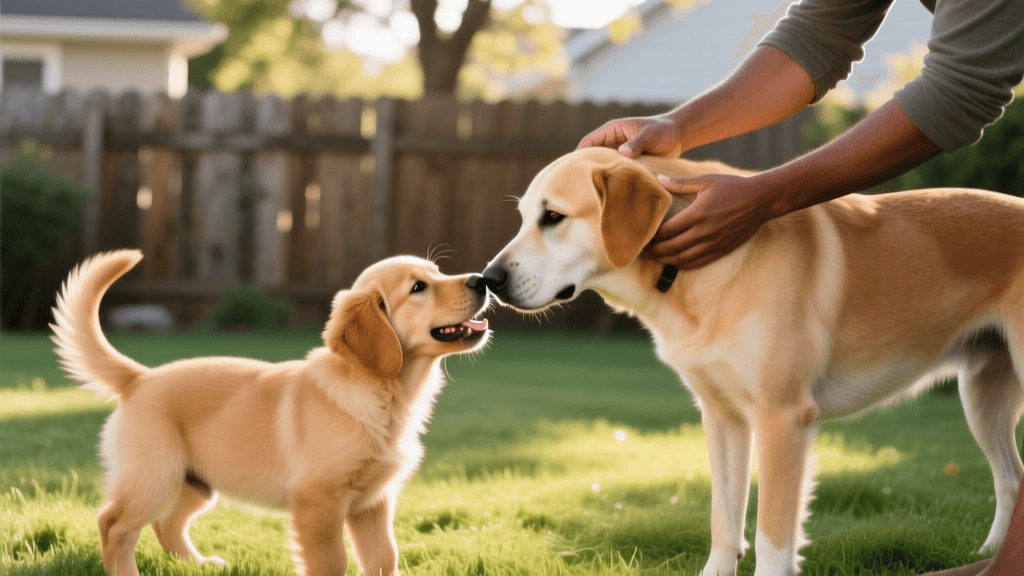
Socialization is not just about meeting other dogs; it is about exposure to novel stimuli. Expose your puppy to the sounds of video calls, doorbells, and household appliances. Carry them in a sling or backpack to outdoor cafes or busy parks to observe the world safely before their vaccination series is complete. The AKC Puppy Care Resources recommend exposing puppies to at least 100 new environments, sounds, and surfaces by the time they are 16 weeks old to build a confident, well-adjusted adult dog.
First-Year Developmental Milestones Checklist
Track your puppy's progress through these critical first-year milestones to ensure they are developing appropriately for a companion lifestyle:
- 8 Weeks (The Transition): Puppy arrives home. Focus on bonding, establishing a potty routine, and introducing the crate. Keep environments calm to avoid overwhelming their developing nervous system.
- 12 Weeks (The Fear Period): Puppies may suddenly become fearful of familiar objects. Use high-value treats to create positive associations. Avoid forcing interactions with strangers or new environments.
- 16 Weeks (Teething & Vaccinations): Final puppy vaccinations are usually complete, allowing for safe public outings. Adult teeth begin pushing out baby teeth; increase cold chew options.
- 6 Months (Adolescence): Expect a temporary regression in obedience and potty training. Maintain strict routines and consider enrolling in a virtual or in-person intermediate obedience class to reinforce commands.
- 12 Months (Adulthood): Transition to adult dog food. Your companion breed should now be fully potty trained, comfortable being left alone for 4-6 hours, and settled into your daily WFH rhythm.
Final Thoughts for the Remote Worker
Raising a puppy while working from home in 2026 is a deeply rewarding experience that requires intentional planning. By selecting a low-energy, companion-oriented breed and proactively managing their feeding, potty habits, and alone-time training, you can cultivate a peaceful home office environment. Your puppy will grow into a confident, well-adjusted adult dog who is just as happy to nap under your desk as they are to join you for an evening walk.
anouk-beaumont
All our authors care for dogs every day — read more of their work on the authors page.