Best Puppy Breeds for Remote Workers in 2026: Top Picks
Discover the best puppy breeds for remote workers in 2026. Compare top low-bark, adaptable dogs and learn home office setup tips for WFH success.
The Rise of the WFH Dog in 2026
As remote and hybrid work models solidify in 2026, the home office has become a permanent fixture for millions of professionals. With this shift comes the unique opportunity to share your workday with a canine companion. However, not all puppies are suited for the quiet, focused environment of a home office. High-energy herding breeds or vocal guard dogs can quickly turn a peaceful Zoom call into a chaotic nightmare. For remote workers, the ideal puppy is adaptable, relatively quiet, and content with lounging nearby while you tackle your daily tasks.
Selecting the right breed is only the first step. Successfully integrating a puppy into your work-from-home (WFH) routine requires strategic planning, the right enrichment tools, and a solid daily schedule. In this guide, we explore the best puppy breeds for remote workers in 2026, provide a comprehensive comparison chart, and share actionable tips for puppy-proofing your workspace.
Top 4 Puppy Breeds for the Home Office
1. Cavalier King Charles Spaniel
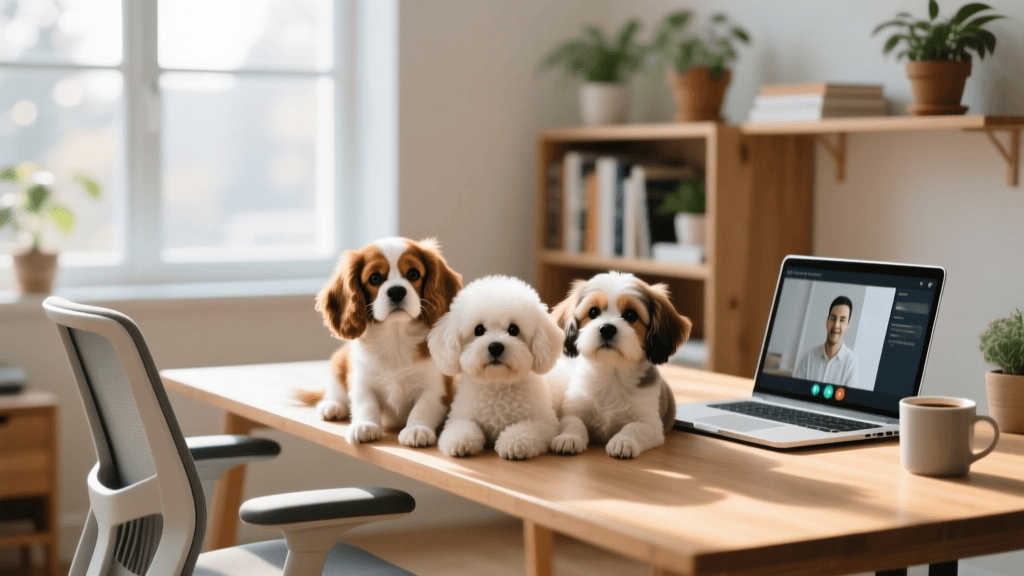
The Cavalier King Charles Spaniel is widely considered the ultimate lap dog, making them an exceptional choice for remote workers who want a constant, quiet companion. According to the American Kennel Club, Cavaliers are highly affectionate, eager to please, and remarkably adaptable to their owner's lifestyle. They typically weigh between 13 and 18 pounds, meaning they can easily fit into a bed placed right under your desk.
While they enjoy a good morning walk and some playtime, Cavaliers are notorious for matching their owner's energy levels. If you are typing away at your keyboard, they are usually content to snooze at your feet. Their low tendency to bark excessively makes them ideal for professionals who frequently take audio or video calls.
2. Bichon Frise
For remote workers who suffer from pet dander allergies, the Bichon Frise is a top-tier choice. Known for their hypoallergenic, powder-puff coats, Bichons are cheerful, gentle, and highly trainable. They are small enough for apartment living but possess a sturdy, playful demeanor that makes them delightful companions during your lunch breaks.
Bichons do require regular grooming to prevent matting, which is an important cost and time factor to consider in your 2026 budget. However, their intelligence and eagerness to learn make potty training and crate training relatively smooth processes. They are generally quiet dogs, though they will alert you if someone is at the door, which can be a helpful feature when you are wearing noise-canceling headphones.
3. Shih Tzu
Bred specifically to be royal companions, the Shih Tzu requires very little physical exercise compared to other breeds. A short morning stroll and some indoor play are usually sufficient to keep them happy. This low exercise requirement is a massive benefit for remote workers who have back-to-back meetings and cannot commit to hours of daily outdoor activity.
Shih Tzus are incredibly loyal and prefer to be in the same room as their humans. They are not known for being high-strung or overly vocal, provided they are properly socialized as puppies. Their small size (9 to 16 pounds) makes them highly portable, allowing you to easily move them from your home office to the living room when the workday ends.
4. Greyhound
It might seem counterintuitive to recommend a racing breed for a home office, but Greyhounds are famously known as '45-mph couch potatoes.' If you have a larger home or a fenced yard and prefer a bigger dog, a retired racing Greyhound or a Greyhound puppy (if you can find one through a specialized breeder or rescue) is a phenomenal WFH companion. They sleep for up to 18 hours a day and are generally very quiet, rarely barking without a significant reason.
Greyhounds are sensitive, gentle giants that thrive on routine. A quick 20-minute sprint in a secure area or a brisk neighborhood walk is all they need before they happily curl up on a large orthopedic bed in the corner of your office for the remainder of the workday.
Breed Comparison Chart
Use the table below to compare the top WFH-friendly breeds based on key metrics that impact your workday.
| Breed | Adult Weight | Daily Exercise | Bark Level | Grooming Needs | Best For |
|---|---|---|---|---|---|
| Cavalier King Charles Spaniel | 13-18 lbs | 30-45 mins | Low | Moderate | Lap lounging, quiet calls |
| Bichon Frise | 12-18 lbs | 30-60 mins | Low-Medium | High | Allergy sufferers, apartments |
| Shih Tzu | 9-16 lbs | 20-30 mins | Low | High | Busy schedules, small spaces |
| Greyhound | 60-70 lbs | 20-40 mins | Very Low | Low | Larger homes, deep focus |
Setting Up Your 2026 Home Office for a Puppy
Bringing a puppy into your workspace requires more than just a water bowl. To maintain productivity and keep your puppy enriched, invest in the right tools and environment setups.
Smart Tech and Monitoring
When you need to step away for a quick errand or a private phone call in another room, smart pet cameras are invaluable. The Furbo 360 Dog Camera remains a top choice in 2026, offering auto-rotation, bark alerts sent directly to your smartwatch, and a treat-tossing feature. This allows you to reward your puppy for calm behavior without leaving your desk.
Enrichment and Chew Toys
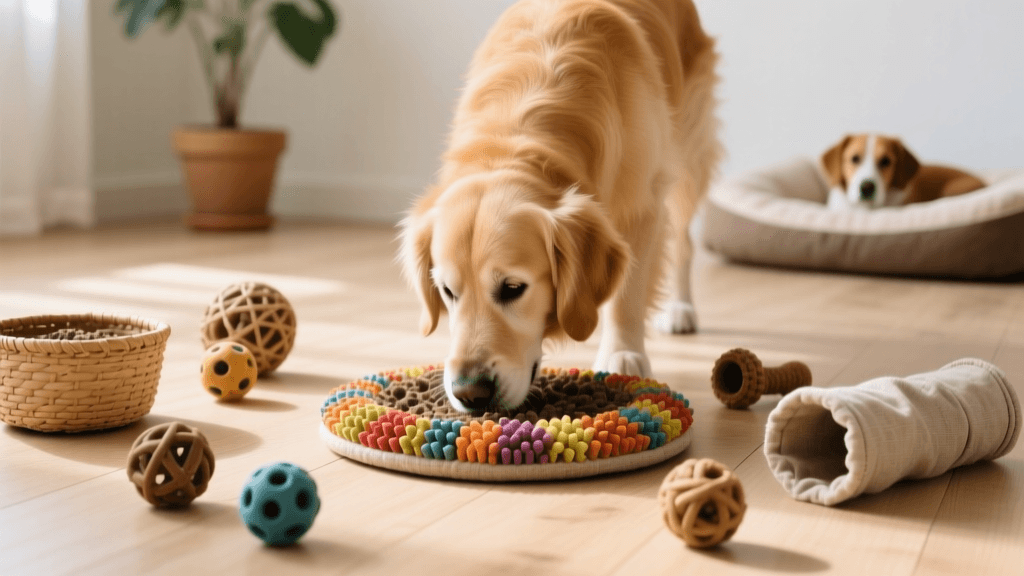
Puppies explore the world with their mouths, and your expensive ergonomic mouse is not a chew toy. Keep them occupied with long-lasting enrichment tools. The LickiMat Soother is excellent for spreading peanut butter or plain pumpkin puree; freezing it beforehand can keep a puppy busy for up to 45 minutes. Pair this with a West Paw Toppl stuffed with kibble and frozen bone broth for a mess-free, quiet distraction during your most critical morning meetings.
Ergonomic Pet Beds
Dogs, especially growing puppies, need proper joint support. The Casper Dog Bed or the Orvis ToughChew Bed are excellent investments. Place the bed in a designated 'quiet zone' in your office where your puppy can see you but is out of the way of your rolling chair and foot traffic.
Managing the Daily WFH Schedule
Puppies thrive on predictability. A structured routine prevents separation anxiety and reduces indoor accidents. Here is a sample schedule optimized for a standard 9-to-5 remote worker:
- 7:00 AM: Wake up, immediate potty break, and 15 minutes of active play or a short walk.
- 8:00 AM: Breakfast served in a puzzle feeder to stimulate their brain while you prep for work.
- 9:00 AM - 11:30 AM: Deep work block. Puppy is on a LickiMat or sleeping in their crate/bed.
- 11:30 AM: Mid-day potty break and 10 minutes of training (sit, stay, place).
- 12:30 PM: Your lunch break. Take the puppy for a longer 30-minute sniffari walk to burn mental energy.
- 1:30 PM - 4:30 PM: Afternoon meetings. Puppy is resting. Use white noise or a fan to mask outside sounds that might trigger barking.
- 4:30 PM: Final potty break and play session to transition out of the workday.
Socialization and Zoom Call Etiquette
One of the biggest challenges for remote workers is ensuring their puppy gets adequate socialization. Because you are home all day, puppies can easily become overly attached and under-socialized. The Humane Society of the United States emphasizes that early socialization is critical for preventing fear and aggression later in life.
Block out 30 minutes three times a week specifically for socialization. Take your puppy to a quiet outdoor cafe, a garden center, or a friend's house. Enroll them in a weekend puppy kindergarten class so they learn to interact with other dogs and humans without you hovering over them.
Pro-Tip for Video Calls: Keep a small jar of high-value treats (like freeze-dried liver) on your desk. If your puppy wakes up and starts to whine during a meeting, toss a treat onto their bed to reinforce the 'place' command and reward silence. Never yell at a puppy while on mute; they won't understand the context and it will only increase their anxiety.
Safety First: Puppy-Proofing the Workspace
Home offices are riddled with hazards for curious puppies. Electrical cords, toxic houseplants, and small office supplies can lead to emergency vet visits.
- Cable Management: Use split loom tubing or cord concealers to hide power strips and monitor cables. Puppies love the texture of rubbery wires, and chewing them can result in fatal electrocution.
- Plant Safety: Many popular office plants, such as pothos, snake plants, and peace lilies, are highly toxic to dogs. Always cross-reference your greenery with the ASPCA's Toxic and Non-Toxic Plants list before bringing them into your workspace. Opt for pet-safe alternatives like spider plants, parlor palms, or calatheas.
- Small Item Storage: Paperclips, thumbtacks, and pen caps must be kept in closed drawers. A swallowed paperclip can cause severe intestinal blockages requiring emergency surgery.
Conclusion
Working from home with a puppy in 2026 is a rewarding experience that blends productivity with companionship. By selecting an adaptable, low-vocalization breed like the Cavalier King Charles Spaniel, Bichon Frise, Shih Tzu, or Greyhound, you set the foundation for a peaceful work environment. Combine the right breed with smart home office setups, structured daily routines, and proactive socialization, and you will cultivate a well-adjusted dog who makes your remote work life infinitely better.
hannah-wickes
All our authors care for dogs every day — read more of their work on the authors page.