Best Puppy Breeds For Remote Workers In 2026: A Guide
Discover the best puppy breeds for remote workers in 2026. Learn how breed psychology, energy levels, and barking instincts impact your work-from-home setup.
The Psychology of the Work-From-Home Dog
In 2026, the remote and hybrid work models have completely solidified as the standard for millions of professionals. For many, this lifestyle shift presents the perfect opportunity to finally welcome a puppy into the home. However, blending the demands of a high-focus home office with the developmental needs of a puppy requires a deep understanding of canine psychology and breed-specific instincts. Not all dogs are wired to be quiet co-workers, and choosing a breed based solely on appearance can lead to severe behavioral friction.
When you work from home, your dog perceives your house as the permanent den and your constant presence as the baseline for normalcy. According to behavioral experts, dogs are highly adaptable to routine, but their ancestral instincts dictate how they react to environmental triggers like doorbells, delivery drones, and the sound of your voice during virtual meetings. A herding dog might interpret your pacing during a phone call as a flock that needs controlling, while a scent hound might spend the entire workday vocalizing at a neighbor's wildlife. Understanding these underlying drives is the first step toward a harmonious home office.
Key Behavioral Traits to Consider for Remote Work
Before selecting a puppy, remote workers must evaluate three critical behavioral pillars that directly impact productivity and professional image:
- Vocalization and Alarm Barking: Will your puppy bark at every notification sound or passing car? Breeds with high territorial instincts or low thresholds for environmental arousal can turn a simple Zoom call into a chaotic disaster.
- Energy Spikes and Zoomies: Some breeds require intense physical exertion to settle down. If you cannot commit to a rigorous morning run before logging on, high-drive sporting or herding breeds will express their pent-up energy through destructive chewing or hyperactive pacing.
- Independence vs. Velcro Tendencies: While you are home, a highly dependent "velcro" dog might whine for constant physical contact. Conversely, if you need to leave for an in-person meeting, a dog lacking independence may develop severe distress. The ASPCA notes that dogs with separation anxiety often exhibit destructive behaviors and vocalization the moment their primary attachment figure leaves their line of sight, even if they are home 90% of the time.
Top 5 Puppy Breeds for Remote Workers in 2026
Based on temperament stability, low indoor arousal, and minimal vocalization, these five breeds are the ultimate co-workers for the modern remote professional.
1. The Cavalier King Charles Spaniel (The Silent Support)
Bred historically as royal lap warmers, the Cavalier possesses a profound psychological need to simply be near their human without demanding active engagement. They have an incredibly low prey drive and rarely exhibit alarm barking. During a long workday, a Cavalier is most likely to sleep under your desk, providing silent emotional support and grounding your stress levels without interrupting your workflow.
2. The Basset Hound (The Low-Key Co-Worker)
While they are scent hounds, Bassets were bred to track slowly and methodically. Indoors, they are famously lethargic and possess a high threshold for environmental noise. A Basset Hound is unlikely to react to the sound of a delivery drone or a ringing doorbell. Their stubborn nature actually works in your favor here; once they settle onto their bed, moving them requires a negotiation they usually aren't interested in having.
3. The Greyhound (The Couch Potato Sprinter)
It is a common misconception that Greyhinds require hours of daily running. As sighthounds, their instinct relies on short, explosive bursts of speed followed by long periods of deep rest to conserve energy. A quick 20-minute morning sprint in a fenced area or a lure-coursing session will satisfy their drive, leaving them completely dormant and quiet for the remaining eight hours of your workday.
4. The Bernese Mountain Dog (The Gentle Giant Anchor)
Originally drafted as Swiss farm dogs to pull carts and guard property, the Bernese Mountain Dog is steady, observant, and remarkably calm indoors. They are highly attuned to their owner's emotional state, making them excellent companions for high-stress jobs. Their size alone acts as a psychological anchor in your office space, and they are generally unfazed by the chaotic noises of a busy household.
5. The Pug (The Comedic Relief)
Pugs were engineered purely for companionship. They lack the working drive that causes anxiety in other breeds when they aren't given a "job" to do. A Pug's ideal job is watching you type. While their brachycephalic (flat-faced) anatomy requires careful climate control and health monitoring, their low exercise requirements and high sociability make them perfect for apartment-dwelling remote workers.
Breeds to Approach with Caution
If your job requires deep focus and frequent virtual meetings, you should carefully reconsider bringing certain working breeds into your home office. Border Collies and Australian Shepherds possess intense herding instincts. In a home office, this often translates to nipping at the wheels of your rolling chair, barking at your moving hands, or attempting to herd your children when they enter the room. Similarly, Huskies and Alaskan Malamutes are highly vocal; a Husky is just as likely to "talk back" or howl when you speak on camera as they are to remain quiet.
"Understanding your dog's ancestral instincts is the key to predicting how they will behave in a modern home office environment. A dog bred to alert the village to predators will not naturally understand that the delivery driver is not a threat."
Comparison Chart: Breed Traits for Home Offices
| Breed | Primary Instinct | Indoor Energy | Vocalization Risk | Meeting Interruption Level |
|---|---|---|---|---|
| Cavalier King Charles Spaniel | Companion / Lap | Very Low | Minimal | Almost None |
| Basset Hound | Slow Scent Tracking | Low | Moderate (Howling) | Low |
| Greyhound | Visual Sprinting | Low (Post-Exercise) | Very Low | Minimal |
| Bernese Mountain Dog | Draft / Guarding | Moderate | Low | Low |
| Pug | Companionship | Low | Moderate (Snorting) | Moderate |
Managing Your Puppy's Routine During the Workday
Even the most laid-back breed requires structured management to thrive while you work. The American Kennel Club (AKC) emphasizes that puppies thrive on predictable schedules, which is highly compatible with the structured nature of remote work.
1. Implement "Place" Training: Teach your puppy a designated mat or bed that means "settle down." Reward them heavily for choosing to lie on their place while you are at your desk. This satisfies their need to be near you without allowing them to climb into your lap during important calls.
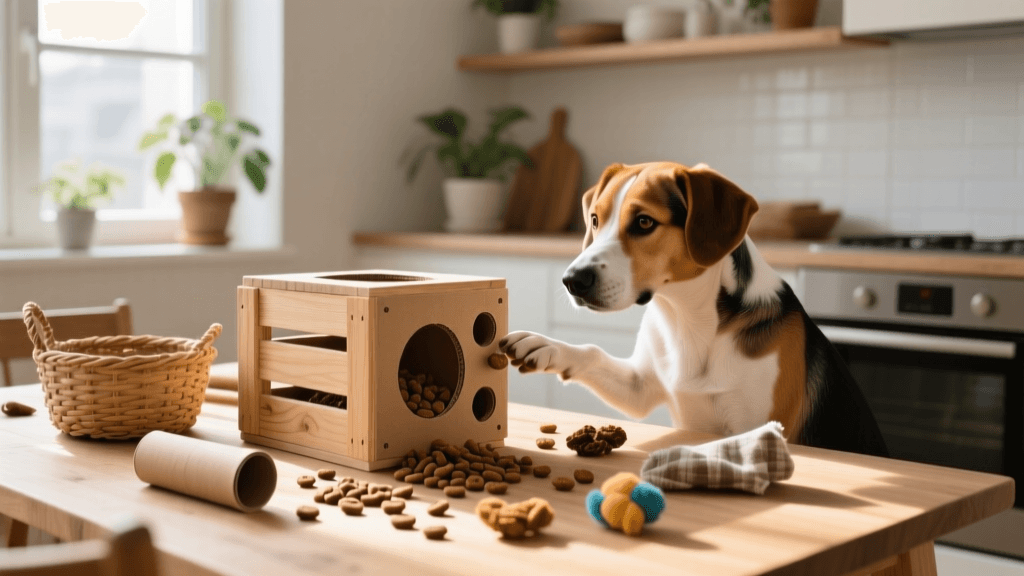
2. Utilize Smart Enrichment: In 2026, automated puzzle feeders and app-controlled treat tossers are invaluable tools. Schedule these devices to dispense treats or kibble during your longest meetings to keep your puppy mentally stimulated and quietly occupied in another room.
3. The Mid-Day Sniffari: Physical exercise tires the body, but mental stimulation tires the brain. Use your lunch break for a 15-minute "sniffari"—a slow walk where the puppy is allowed to sniff every tree and bush. This mimics natural foraging behavior and will result in a deeply relaxed puppy for the afternoon shift.
By aligning your career demands with the psychological and instinctual realities of your chosen breed, you can create a peaceful, productive, and deeply rewarding work-from-home environment for both you and your new canine companion.
marcus-aldridge
All our authors care for dogs every day — read more of their work on the authors page.