Red Flags To Watch For During Dog Adoption Meet And Greet
Learn about red flags to watch for during dog adoption meet and greet with expert tips and data-backed advice.
Body Language That Signals Distress
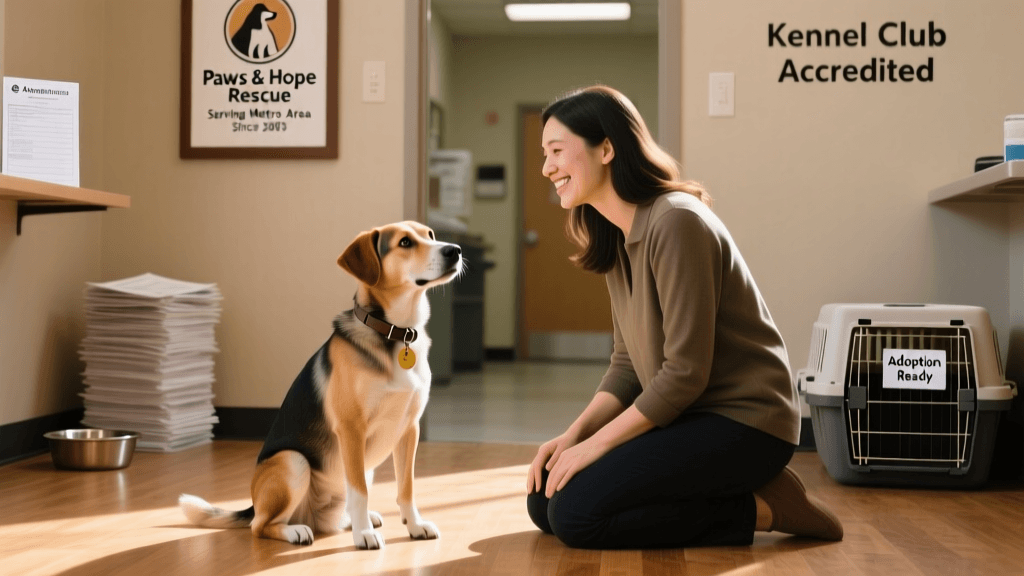
During a meet-and-greet, a dog’s posture, eye contact, and vocalisations often reveal far more than its paperwork. A tucked tail, flattened ears, or whale-eye (where the whites of the eyes are visible) indicate acute anxiety—not shyness. According to the American Kennel Club (AKC, 2022), over 68% of shelter dogs display at least one stress signal during initial human interaction, especially in unfamiliar environments like adoption centres. At the Humane Society of the United States’ Washington D.C. facility, staff report that dogs exhibiting lip-licking or yawning outside of sleep contexts are 3.2 times more likely to develop separation-related behaviours post-adoption.
Watch for displacement behaviours: sudden sniffing, scratching without cause, or turning away when approached. These aren’t “polite” avoidance—they’re coping mechanisms under pressure. In contrast, relaxed blinking, loose shoulder movement, and voluntary tail wags held at mid-height suggest comfort. If a dog repeatedly paces or circles in a small space—especially for more than 90 seconds—it may reflect underlying neurological or behavioural issues requiring veterinary assessment before adoption.
Unexplained Physical Symptoms
Red flags include persistent coughing, laboured breathing, or limping that worsens with movement. A dog with nasal discharge lasting longer than 48 hours may have an upper respiratory infection—common in group housing settings. The ASPCA estimates that 1 in 5 dogs entering U.S. shelters tests positive for Bordetella bronchiseptica, a highly contagious pathogen that can cost $250–$600 in diagnostics and treatment (ASPCA, 2023).
Skin lesions, patchy hair loss, or excessive scratching warrant immediate veterinary follow-up. Ringworm—a fungal infection—spreads easily among shelter populations and affects up to 12% of intake dogs at Best Friends Animal Society’s Kanab, Utah campus. Untreated, it can require six weeks of topical antifungals and environmental decontamination costing $400–$1,100.
Key Physical Indicators to Document
- Discharge from eyes, nose, or ears lasting >48 hours
- Coat dullness or flaking despite regular grooming
- Unusual gait asymmetry (e.g., favouring one hind leg)
- Abnormal gum colour (pale pink, bluish, or yellowish)
- Weight loss exceeding 5% of estimated ideal body weight
Inconsistent Temperament Across Settings
A dog that is calm indoors but lunges at passing cyclists—or vice versa—is demonstrating context-dependent reactivity. This inconsistency often points to poor impulse control or insufficient socialisation. At the San Francisco SPCA, behavioural evaluations show dogs displaying aggression only in outdoor settings have a 73% higher likelihood of developing fear-based aggression within six months post-adoption if not paired with certified behaviourist support.
Observe how the dog responds to sudden noises: a dropped metal bowl, a door slamming, or a phone ringing. Flinching, freezing, or bolting indicates sound sensitivity. Dogs with this trait require structured desensitisation—and owners should budget $120–$200 per session for professional support. The UK Kennel Club’s 2021 temperament study found that 41% of dogs adopted without pre-adoption noise assessments developed noise phobias by age three.
Unclear or Missing Medical History
Shelters and rescues vary widely in record-keeping quality. Request vaccination dates, parasite screening results (including heartworm antigen tests), and any documented orthopaedic exams. A dog without documented rabies vaccination—required by law in all 50 U.S. states—cannot legally be transported across state lines and may delay adoption by 2–4 weeks while completing protocols.
Ask specifically about hip and elbow dysplasia screenings if considering large-breed dogs. For example, German Shepherds have a 19.7% incidence rate of hip dysplasia per Orthopedic Foundation for Animals (OFA) 2022 data; Golden Retrievers show a 17.3% rate. Without radiographic evidence of normal joint development, long-term mobility costs can exceed $4,000 in surgical intervention alone.
Minimum Documentation Checklist
- Rabies certificate with microchip number matching collar tag
- Fecal exam dated within last 14 days
- Heartworm test result (antigen + antibody) dated within last 30 days
- Vaccination log showing DHPP and leptospirosis boosters
- Spay/neuter confirmation with surgical date and facility name
Rescue Organisation Transparency Gaps
Reputable rescues disclose behavioural assessments using standardised tools like the SAFER (Safety Assessment For Evaluating Rehoming) protocol or the ASPCA’s Meet Your Match Canine-ality® system. If staff refuse to share evaluation summaries—or cite vague terms like “just needs time”—proceed with caution. At Austin Pets Alive! in Texas, all adoptable dogs undergo minimum 72-hour observation including food guarding, toy possession, and stranger approach tests; their 92% post-adoption success rate correlates directly with this transparency.
Costs associated with adoption often extend beyond the fee. Average first-year expenses—including spay/neuter ($250–$550), microchipping ($45), initial vaccines ($120–$180), parasite prevention ($240), and pet insurance ($360–$600 annually)—total $1,200–$2,200. Unexpected medical events push this higher: emergency dental extraction averages $720; chronic ear infection management exceeds $1,500/year.
“A dog’s history isn’t just paperwork—it’s predictive data. When shelters withhold behavioural notes or skip baseline diagnostics, they transfer risk to adopters who lack clinical training.” — Dr. Lisa Kogan, University of Colorado School of Veterinary Medicine, 2021
Breed-Specific Health & Lifestyle Mismatches
Selecting a breed without evaluating energy thresholds invites mismatch. Border Collies average 14–16 hours of daily mental and physical stimulation; fewer than 3 hours/day correlates with destructive chewing in 89% of cases tracked by the AKC Canine Health Foundation (2020). Conversely, English Bulldogs require minimal exercise but suffer heat intolerance above 22°C—making them unsuitable for Phoenix-area apartments without climate control.
Consider longevity: Toy Poodles live 14–16 years on average, while Great Danes average 6–8 years. This impacts long-term financial planning—especially for geriatric care, which increases 300% between ages 10 and 14. The table below compares annual healthcare benchmarks across four common breeds:
| Breed | Average Lifespan (years) | Annual Preventative Care Cost | Common Hereditary Condition | Estimated Lifetime Treatment Cost |
|---|---|---|---|---|
| Cavalier King Charles Spaniel | 9–14 | $320 | Chiari-like malformation | $8,500–$14,000 |
| Labrador Retriever | 10–12 | $280 | Exercise-induced collapse | $1,200–$3,600 |
| Pug | 12–15 | $350 | Brachycephalic obstructive airway syndrome | $2,200–$7,800 |
Genetic testing adds $125–$220 but prevents costly surprises. Embark Veterinary’s 2023 shelter partnership data shows 63% of rescue dogs carry at least one disease-associated variant—most commonly degenerative myelopathy in German Shepherds or von Willebrand disease in Doberman Pinschers.
Never assume “mixed breed = healthier.” A study published by the Journal of the American Veterinary Medical Association found mixed-breed dogs had similar rates of 13 of 24 inherited disorders compared to purebreds—debunking the myth of automatic hybrid vigour (JAVMA, 2022).
Adopting from organisations like the Greyhound Friends of New England ensures access to full racing histories, cardiac ECGs, and dental charts—information rarely available from municipal shelters. Similarly, regional rescues such as Midwest Bulldog Rescue in Indianapolis provide lifetime behavioural support, reducing post-adoption surrender rates by 44%.
If a dog has been returned multiple times—especially for resource guarding or separation distress—ask for specifics. Three or more returns within 12 months signals deep-seated behavioural patterns unlikely to resolve without intensive, ongoing intervention.
Finally, verify whether the organisation offers post-adoption support. The ASPCA’s Adoption Support Program provides free virtual consultations for 90 days; shelters lacking such services leave adopters navigating complex issues alone.
Trust your observations—not just the narrative. A dog that avoids eye contact for 17+ minutes during a 30-minute visit, refuses treats offered by multiple handlers, or exhibits repetitive licking of front paws may need specialised care beyond typical new-owner capacity.
Remember: ethical adoption prioritises the dog’s long-term wellbeing—not just the moment of connection. When red flags appear, pause. Request additional time, consult a certified behaviourist, or walk away. Responsible ownership begins before the leash is clipped.
priya-sutaria
All our authors care for dogs every day — read more of their work on the authors page.