Bringing Home a Reactive Rescue: 2026 Decompression Guide
Learn how to set up a safe decompression zone and manage the first 72 hours with a reactive or anxious rescue dog using 2026 best practices.
The Reality of Adopting a Reactive Rescue in 2026
Adopting a rescue dog is a profoundly rewarding experience, but bringing home a dog with a history of reactivity, fear, or severe anxiety requires a highly strategic approach. As of 2026, shelter intake demographics have shifted, with a higher percentage of adolescent and adult dogs entering the system exhibiting barrier frustration, leash reactivity, or generalized anxiety. When you adopt a reactive dog, the transition from a high-stress shelter environment to a quiet home can trigger a phenomenon known as 'trigger stacking,' where cortisol levels compound and result in explosive or shut-down behaviors.
According to the Humane Society of the United States, the first few days in a new home are critical for establishing a baseline of safety. For a reactive or anxious dog, this means bypassing the traditional 'show them the whole house' approach in favor of a strict, controlled decompression period. This guide will walk you through setting up a 2026-standard decompression zone and managing the crucial first 72 hours with your new companion.
Designing the Ultimate Decompression Zone
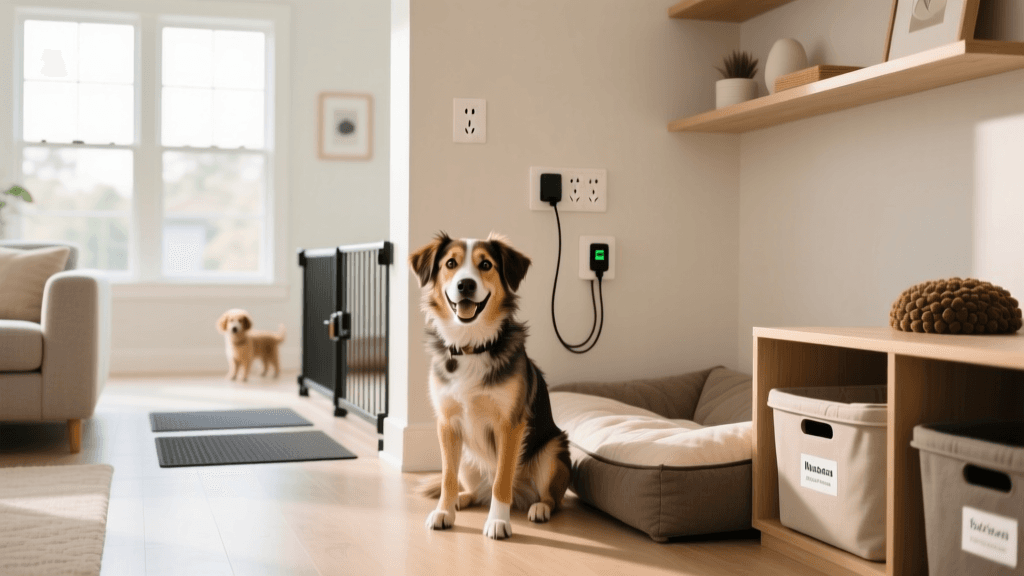
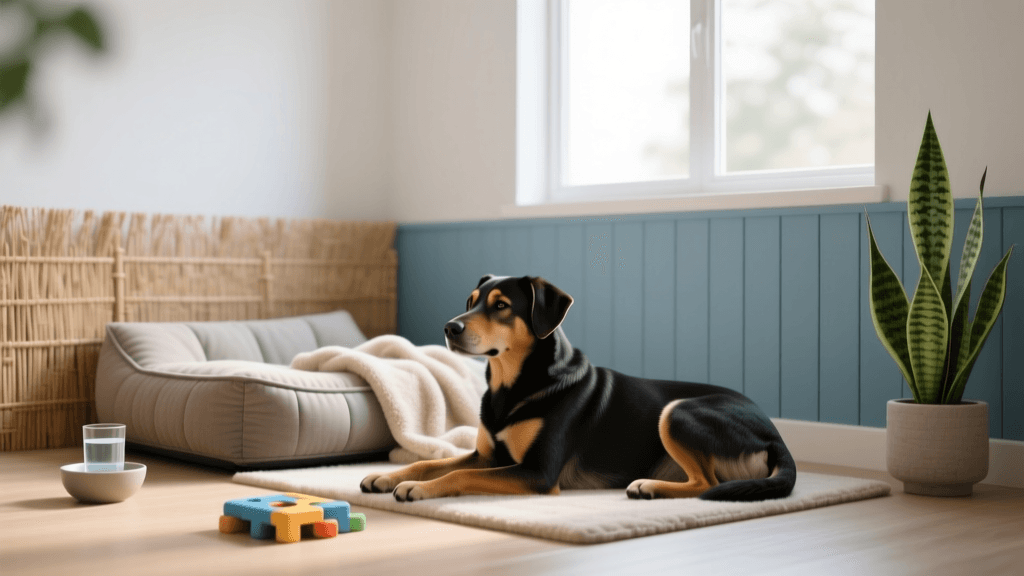
A decompression zone is not merely a crate; it is a dedicated, low-stimulus sanctuary where your dog can process their new environment without the pressure of making decisions or facing unexpected triggers. When preparing your home, select an interior room or a secluded corner of a low-traffic area (like a spare bedroom or a quiet home office).
Physical and Sensory Requirements
- Dimensions: The zone should be a minimum of 4x6 feet, utilizing a sturdy, hardware-mounted pet gate rather than a freestanding pressure gate, which can collapse if a panicked dog lunges.
- Visual Barriers: Reactive dogs are often visually triggered. Apply opaque privacy film to the lower 36 inches of any windows in the room to block views of passing cars, pedestrians, or neighborhood dogs.
- Lighting Control: Harsh overhead lighting can increase stress. Use amber-hued smart bulbs dimmed to under 300 lumens to simulate a calming, dusk-like environment.
- Acoustic Management: Shelter environments are notoriously loud (often exceeding 85 decibels). Sudden silence in a home can actually cause hyper-vigilance. Use a high-fidelity white noise machine set to 50-60 dB to mask household sounds like footsteps, doorbells, or appliance hums.
Essential Gear for Anxious Dogs (2026 Market Guide)
The pet care market in 2026 offers advanced, scientifically backed tools to aid in neurological regulation for anxious dogs. Below is a comparison of the most effective decompression gear recommended by modern veterinary behaviorists.
| Product | Type | 2026 Est. Price | Best For |
|---|---|---|---|
| Adaptil Optimum Diffuser | Synthetic Pheromone | $55.00 | General environmental anxiety and promoting a baseline feeling of safety in the decompression room. |
| SmartPetLove Snuggle Puppy | Heartbeat & Heat Toy | $45.00 | Newly adopted dogs experiencing nighttime vocalization, isolation distress, and crate anxiety. |
| LectroFan Evo White Noise | Acoustic Masking | $50.00 | Dogs reactive to outdoor noises, urban environments, or multi-pet households. |
| West Paw Toppl | Enrichment Feeder | $25.00 | Providing low-arousal mental stimulation and licking/chewing dopamine release without visual triggers. |
The First 72 Hours: A Step-by-Step Protocol
The initial three days are often referred to as the 'shutdown' phase. Your dog is likely overwhelmed, and their true personality will not emerge until their nervous system regulates. The American Kennel Club notes that managing early anxiety requires minimizing demands on the dog while maximizing predictable routines.
Hour 0-2: The Silent Arrival
When you first arrive home, keep your dog on a secure leash and harness. Do not allow them to roam the house. Lead them directly to the pre-prepared decompression zone for a low-pressure potty opportunity in the yard (on a long line), and then guide them into their safe space. Remove the leash, offer a high-value, long-lasting chew (like a frozen bone broth lick mat), and leave the room. This teaches them that their safe space is a place of autonomy and reward.
Hour 2-24: The 'Invisible Roommate' Phase
For the first 24 hours, practice the 'invisible roommate' method. Do not force eye contact, do not attempt to pet them, and do not invite guests over to 'meet the new dog.' Speak in low, soothing tones when you enter the room to drop off meals. Serve meals in scatter-feed formats or puzzle toys to encourage natural foraging behaviors, which lower heart rates. If your dog hides under a bed or in the back of their crate, ignore them. Let them observe you without the pressure of interaction.
Hour 24-72: Establishing Predictability
Reactive dogs thrive on predictability. Begin establishing a rigid schedule for potty breaks, feeding, and quiet enrichment. Introduce 'scent swapping' by leaving a worn t-shirt of yours in their bed, allowing them to investigate your scent on their own terms. Begin taking them on 'decompression walks' in low-traffic areas during off-peak hours (early morning or late evening), utilizing a 15-foot biothane long line to allow them to sniff and process environmental information at their own pace.
Understanding Trigger Stacking and Cortisol
One of the most critical concepts for new owners of reactive dogs to understand in 2026 is trigger stacking. When a dog encounters a trigger (e.g., a loud truck, a strange dog, a slipped collar), their body releases cortisol and adrenaline. While adrenaline dissipates relatively quickly, cortisol can remain elevated in a dog's bloodstream for 48 to 72 hours.
If a dog experiences multiple minor triggers in a single day, these stress hormones compound. A dog might tolerate a passing bicycle on Monday, and a loud doorbell on Tuesday, but by Wednesday, they may react explosively to a family member simply walking into the room. This is not 'bad behavior'; it is a biological overload. This is why the strict 3-day decompression protocol is non-negotiable for anxious rescues. You are actively preventing trigger stacking by controlling their environment and limiting their exposure to novel stimuli while their baseline cortisol levels return to normal.
When to Bring in a Certified Behaviorist
While many dogs will naturally decompress and begin to show affectionate, relaxed behaviors after two to three weeks (following the popular 3-3-3 rule of rescue adoption), some dogs require professional intervention. You should immediately consult a certified applied animal behaviorist or a veterinary behaviorist if you observe any of the following red flags during the first week:
- Severe Resource Guarding: Freezing, hard staring, growling, or snapping when you walk past their food bowl, bed, or high-value chews.
- Learned Helplessness: The dog refuses to eat, drink, or eliminate for over 24 hours, remaining completely frozen or unresponsive to gentle encouragement.
- Redirected Aggression: Biting at leashes, hands, or other pets when frustrated by an outdoor trigger they cannot reach.
- Injurious Escape Attempts: Breaking teeth or tearing nails trying to escape a crate or gated area.
Final Thoughts on Patience and Progress
Bringing home a reactive or anxious rescue dog is a marathon, not a sprint. The decisions you make in the first 72 hours will lay the neurological groundwork for your dog's ability to trust you and their new environment. By prioritizing a meticulously designed decompression zone, respecting their need for space, and utilizing modern, science-backed calming tools, you are giving your new dog the greatest possible chance to shed their shelter trauma and thrive in their forever home. Remember, progress with a reactive dog is rarely linear; celebrate the micro-victories, maintain your boundaries, and give your dog the time they need to finally exhale.
marcus-aldridge
All our authors care for dogs every day — read more of their work on the authors page.