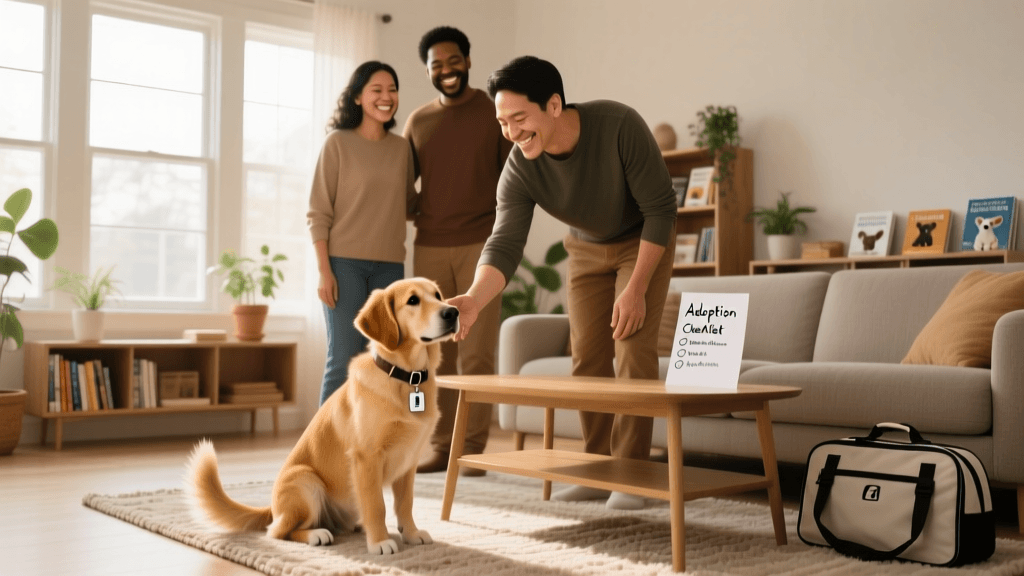
Before & After: Transforming Your Home for a Rescue Dog
Discover the ultimate before and after home transformation guide for new rescue dog owners. Learn puppy-proofing, safe zones, and routine setups.

The "Before" Phase: Assessing Your Space Through a Dog's Eyes
Bringing a rescue dog into your life is a deeply rewarding experience, but it requires a fundamental shift in how you interact with your living space. The transition from a human-centric household to a shared canine sanctuary is not just about buying a bag of kibble and a leash; it is a complete environmental, physical, and psychological transformation. Before your new dog arrives, your home is likely full of invisible hazards and unstructured zones that can trigger anxiety or destructive behaviors in a stressed rescue animal.
The "before" snapshot of most homes includes dangling electrical cords, toxic houseplants resting on low shelves, easily accessible trash cans, and slippery flooring. To truly understand the transformation required, you must physically get down on your hands and knees. Crawl through your living room, kitchen, and hallways. From this vantage point, you will notice the underside of the sofa where a dropped pill might hide, the loose carpet edge that invites chewing, and the low-hanging blind cords that pose a severe strangulation risk. Recognizing these hazards is the critical first step in your home's transformation journey.
The Physical Transformation: From Hazards to Haven
Securing the Perimeter and Indoor Zones
The most dramatic before-and-after change in a dog-friendly home is the implementation of physical boundaries. In the "before" stage, rooms flow freely, allowing a nervous or overly curious dog to wander into unsafe areas or become overstimulated by the entire house. The "after" stage introduces strategic zoning using hardware-mounted baby gates. Unlike pressure-mounted gates, which can easily be dislodged by a 50-pound dog leaning against them, hardware-mounted gates (such as the Cardinal Gates Auto-Close model) provide a secure, permanent barrier for staircases and kitchens.
Cord management is another vital transformation. Before, television and laptop chargers snake across baseboards. After, all wiring is routed through hard plastic cord concealers or braised cable sleeves coated in bitter apple spray to deter chewing. Furthermore, cabinet locks must be installed on all lower kitchen and bathroom cabinets. Dogs, particularly terriers and hounds, are adept at using their paws and noses to pry open doors containing cleaning chemicals or human medications.
The Toxic Plant and Chemical Sweep
Many popular indoor plants are highly toxic to canines. Sago palms, lilies, pothos, and philodendrons must be rehomed or moved to high, unreachable hanging planters. When auditing your indoor and outdoor greenery, the ASPCA's Toxic and Non-Toxic Plants database is an indispensable tool for identifying hidden dangers in your garden and living room. The "after" environment replaces these hazards with dog-safe alternatives like spider plants, calatheas, and Boston ferns, ensuring your dog can sniff and explore without the risk of gastrointestinal distress or organ failure.
Comparison Chart: The Before and After Home Setup
To visualize the impact of these changes, review this before-and-after comparison of key household zones:
| Area | Before (Human-Centric) | After (Dog-Safe & Enriched) |
|---|---|---|
| Living Room | Loose rugs, low coffee tables with snacks, exposed wires. | Non-slip rug pads, wires concealed, chew-proof storage bins for toys. |
| Kitchen | Open trash can, cleaning supplies under the sink. | Step-on locking trash can, child-proof cabinet latches, gated entry. |
| Backyard | Standard latch gate, gaps under the fence, toxic mulch. | Padlock-secured gate, L-footer digging barrier, pet-safe cedar mulch. |
| Entryway | Shoes left out, coats hanging low, no designated dog area. | Shoe racks, leash station, mat for muddy paws, treat jar for arrivals. |
The Psychological Transformation: The 3-3-3 Rule
The physical changes to your home must be matched by a psychological transformation in how you manage your dog's stress. Rescue dogs often arrive carrying the weight of shelter trauma, abandonment, or neglect. According to the American Veterinary Medical Association (AVMA), establishing a predictable environment and routine is critical for animal welfare and behavioral stability. This is best understood through the "3-3-3 Rule" of rescue dog adjustment.
- First 3 Days (Decompression): The dog is overwhelmed, scared, and unsure of their surroundings. They may hide, refuse to eat, or test boundaries. The home must be quiet, with limited visitors and a dedicated safe space.
- First 3 Weeks (Settling In): The dog starts to learn your routine, their personality begins to emerge, and behavioral issues may surface as they feel comfortable enough to test limits. Consistent boundaries and positive reinforcement are vital here.
- First 3 Months (Building Trust): The dog realizes this is their forever home. A strong bond is formed, and they fully integrate into the household rhythm.
Your home's transformation must support this timeline. During the first three days, the environment should be sensory-reduced: dim lighting, white noise machines to block street sounds, and restricted access to the whole house to prevent overstimulation.
The Routine Transformation: Before Chaos, After Calm
Establishing the Decompression Zone
Before the dog arrives, a spare corner or the laundry room might serve as a catch-all for household clutter. After the transformation, this space becomes the "Decompression Zone" or sanctuary. This area is anchored by a properly sized, heavy-duty wire crate. To measure for the correct crate size, measure your dog from the tip of their nose to the base of their tail, and add 4 inches. The crate should be large enough for them to stand, turn around, and lie down, but not so large that they can eliminate in one corner and sleep in the other.
The Decompression Zone is enriched with a Snuffle mat for foraging, a frozen Kong stuffed with peanut butter and plain pumpkin puree to promote licking (which releases endorphins and calms the canine nervous system), and a worn t-shirt of yours to provide scent-based comfort. Maintaining a clean, safe environment also mitigates health risks for both you and your pet, as highlighted by the Centers for Disease Control and Prevention (CDC) guidelines on healthy pet ownership, which emphasize hygiene, parasite prevention, and stress-free cohabitation spaces.
The Financial Transformation: Budgeting for the Change
Transforming a home requires a financial investment. Many new owners underestimate the cost of properly dog-proofing and enriching a space. Below is a practical budget breakdown for the essential before-and-after home modifications:
- Hardware-Mounted Baby Gates (x2): $80 - $140 (Essential for blocking kitchens and stairs)
- Heavy-Duty Wire Crate & Washable Bed: $70 - $150 (Depending on breed size)
- Cord Protectors & Cabinet Latches: $25 - $40 (Preventing electrocution and poisoning)
- Interactive Enrichment Toys (Kongs, Puzzles): $35 - $60 (Mental stimulation to prevent destructive chewing)
- Yard Fence Repair & Digging Guards: $50 - $200 (Securing the outdoor perimeter)
- Total Estimated Transformation Cost: $260 - $590
Viewing these expenses not as mere purchases, but as investments in your dog's safety and your own peace of mind, shifts the financial perspective from a burden to a necessary foundation for a successful adoption.
Conclusion
The before-and-after transformation of your home is about far more than aesthetics or basic safety; it is the physical manifestation of your commitment to your new rescue dog. By systematically eliminating hazards, establishing secure boundaries, and creating a psychologically supportive Decompression Zone, you are communicating to your dog that they are safe, valued, and home. The effort you put into preparing your environment before their paws ever cross your threshold will pay dividends in the form of a confident, well-adjusted, and deeply bonded companion for years to come.
anouk-beaumont
All our authors care for dogs every day — read more of their work on the authors page.