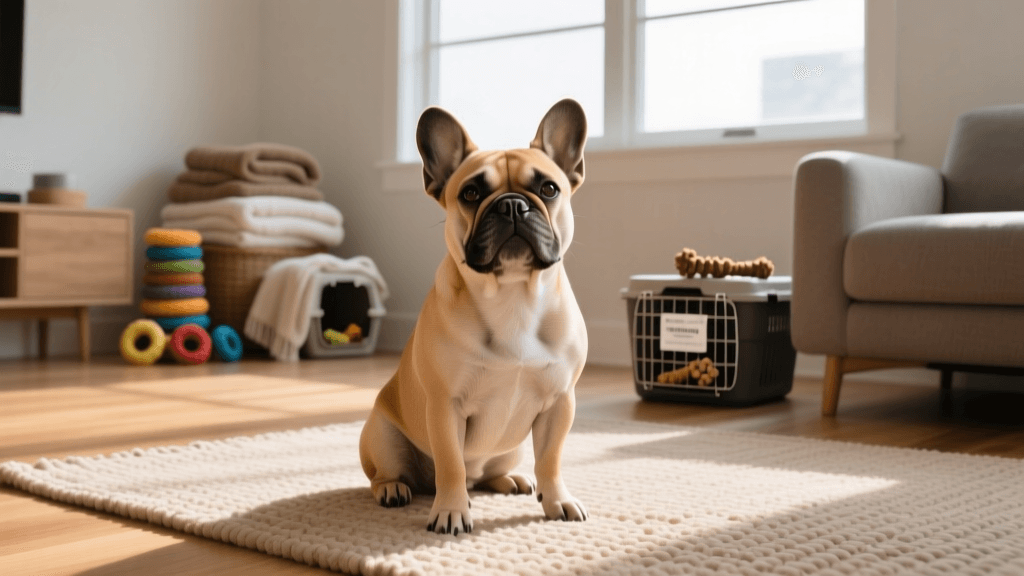
The First 30 Days: A Puppy Training Progression Plan
Discover a step-by-step puppy training progression plan for the first 30 days. Build trust, teach basic cues, and establish routines with your new dog.

Why a Structured Training Progression Plan Matters
Bringing a new puppy or adult rescue dog home is one of the most exciting milestones in a pet owner's life. However, the influx of new sights, sounds, and expectations can quickly overwhelm a dog, leading to behavioral shutdown or the development of anxiety-based habits. This is why a structured training progression plan is essential. Rather than attempting to teach everything at once, a progression plan breaks down complex behaviors into manageable, sequential steps.
When designing a training progression plan, we borrow the concept of 'progressive overload' from human athletics. You start with low-distraction, low-stress foundational skills and gradually increase the difficulty, duration, and environmental variables. This approach builds your dog's confidence, ensures high success rates, and prevents the frustration that often leads to abandoned training efforts. Below is a comprehensive, day-by-day progression plan tailored for the critical first 30 days of bringing your new dog home.
Week 1 (Days 1-7): Decompression and Foundation
The first week is not about advanced obedience; it is about decompression, trust-building, and establishing biological routines. Your dog is learning how to exist in your space.
Potty Training and Biological Rhythms
House training must begin the moment your dog's paws touch your property. According to the ASPCA, establishing a rigid schedule is the most effective way to prevent indoor accidents. Take your puppy outside every two hours, as well as immediately after waking up, eating, drinking, or playing. Use a specific phrase like 'go potty' and reward with a high-value treat (such as boiled chicken or freeze-dried liver) the exact second they finish.
Name Recognition and the 'Check-In'
Before a dog can learn 'sit' or 'come', they must know their name and understand that looking at you yields positive outcomes. Play the 'Name Game': say your dog's name once in a cheerful tone. The moment they make eye contact, mark the behavior with a clicker or a verbal 'yes!' and deliver a treat. Aim for 20 repetitions a day, broken into four 5-minute sessions.
Crate Acclimation
Introduce the crate as a sanctuary, not a punishment zone. Feed all meals inside the crate with the door open. Toss high-value chews (like a bully stick or a Kong stuffed with plain pumpkin and kibble) into the back of the crate to build positive associations with entering the space.
Week 2 (Days 8-14): Shaping Basic Behaviors
Now that your dog is settling in, you can introduce basic lure-and-reward mechanics. Keep training sessions strictly limited to 3 to 5 minutes to match a young dog's attention span.
Luring 'Sit' and 'Down'
Use a pea-sized, low-calorie training treat, such as Zuke's Mini Naturals (which are under 2 calories each), to guide your dog's nose. For a 'sit', move the treat from their nose up and slightly back over their head. As their head tilts up, their hindquarters will naturally lower. For a 'down', lure the nose to the floor and then slowly drag the treat outward toward you. Never physically push the dog into position; let them solve the puzzle.
Leash Pressure and Acclimation
Many dogs naturally pull against leash pressure (the opposition reflex). To counter this, play the leash pressure game indoors. Attach a lightweight 4-foot leash and a front-clip harness. Apply the gentlest backward pressure on the leash. The second the dog takes a single step toward you, releasing the tension, mark and reward. This teaches them that yielding to pressure is highly rewarding.
Bite Inhibition
Puppies explore the world with their mouths, but human skin is entirely off-limits. If teeth touch skin, let out a high-pitched 'ouch' and immediately withdraw your attention for 10 seconds. Redirect their chewing energy onto an appropriate teething toy, such as a frozen rubber KONG or a Nylabone puppy chew.
Week 3 (Days 15-21): Adding Variables and Recall
Week three focuses on adding distance, duration, and safe environmental variables to the behaviors learned in Week 2.
Foundational Recall ('Come')
Recall is the most critical safety cue your dog will learn. Start indoors on a 15-foot biothane long line. Say your dog's name, followed by 'come,' and run backward away from them to trigger their chase instinct. When they reach you, deliver a 'jackpot' reward (3 to 5 treats in a row). Never call your dog to you for something they perceive as negative, such as a bath or nail trim.
Safe Socialization
The American Kennel Club emphasizes that the primary socialization window closes around 16 weeks of age. However, socialization does not mean letting every stranger pet your dog. It means exposing them to novel stimuli—umbrellas, hats, different floor textures, distant traffic noises, and people of varying heights—from a safe distance where your dog remains under their stress threshold. Pair every novel sight or sound with high-value treats to build a positive emotional response.
Adding Duration to 'Sit'
Begin asking your dog to hold their 'sit' for longer periods before delivering the reward. Start with two seconds, then four, then six. If they break the sit, simply reset them without a reward and try a shorter duration to ensure they succeed.
Week 4 (Days 22-30): Impulse Control and Proofing
The final week of your first month is about impulse control and 'proofing' behaviors in slightly more distracting environments, such as your front yard or a quiet patio.
Teaching 'Leave It'
Place a low-value treat on the floor and cover it with your hand. When your dog stops sniffing and pawing at your hand and pulls their nose back, mark and reward with a different, higher-value treat from your other hand. This teaches the dog that ignoring the item on the floor yields something better. Progress to uncovering the treat, and eventually dropping it from a standing position.
Proofing in the Real World
Take your 'sit', 'down', and 'name game' outside. You will quickly notice that your dog's obedience drops when grass, squirrels, and wind are introduced. This is normal. Increase your treat value (switch from kibble to hot dogs or cheese) and decrease your criteria. If they cannot hold a sit outside, reward them simply for looking at you.
Extended Crate Training
Following ASPCA guidelines on crate training, you should now be working on closing the crate door for short durations while you are home. Give your dog a long-lasting chew, close the door, and sit in the room with them. Gradually increase the time and begin stepping out of the room for 30-second intervals, building up to 5 minutes. This prevents separation anxiety from taking root.
30-Day Puppy Training Progression Tracker
Use the table below to track your daily time commitments and ensure you are hitting the appropriate developmental milestones without overworking your dog.
| Week | Primary Focus Area | Daily Time Commitment | Key Milestone to Achieve |
|---|---|---|---|
| Week 1 | Decompression, Potty, Name | 30 mins (broken into 5-min sessions) | Zero indoor potty accidents; responds to name 80% of the time indoors. |
| Week 2 | Luring, Leash Pressure | 20 mins (broken into 4-min sessions) | Reliably sits and downs for a food lure; yields to gentle leash pressure. |
| Week 3 | Recall, Socialization | 25 mins (including outdoor exposure) | Recalls indoors on a long line; remains calm around 3 novel stimuli. |
| Week 4 | Impulse Control, Proofing | 30 mins (incorporated into walks) | Leaves a floor treat alone; performs a 'sit' in the front yard. |
Essential Gear for Your Progression Plan
To execute this plan effectively, you need the right tools. Avoid retractable leashes, which teach dogs to pull and can cause severe cord burns. Instead, invest in the following:
- Properly Sized Crate: A wire crate like the MidWest Homes for Pets iCrate. If you have a growing puppy, use the included divider panel so the crate is only large enough for them to stand, turn around, and lie down. Excess space encourages potty accidents in the corner.
- Front-Clip Harness: A harness with a front chest ring (such as the Ruffwear Front Range) gently redirects forward momentum without putting pressure on the dog's trachea.
- Enzyme Cleaner: Accidents will happen. Standard household cleaners do not break down uric acid. Use an enzyme-based cleaner like Nature's Miracle to completely eliminate the scent marker, preventing the dog from returning to the same spot.
- Treat Pouch: A dedicated training pouch (like the Outward Hound Treat Tote) ensures you can deliver rewards within the critical one-second marking window.
Pro Tip: Training is not a separate event that happens for 30 minutes a day; it is a lifestyle. Ask your dog to 'sit' before you put their food bowl down, before you open the front door, and before you clip on their leash. This integrates the progression plan seamlessly into your daily routine.
Managing Expectations and Setbacks
Progress in dog training is rarely linear. You will experience 'extinction bursts'—periods where a behavior temporarily worsens before it improves—and days where your dog seems to have forgotten everything they learned. This is a normal part of the canine learning process. Stick to the progression plan, manage the environment to prevent rehearsing bad habits, and celebrate the small victories. By the end of your first 30 days, you will not just have a trained dog; you will have built a profound, communicative bond that will last a lifetime.
priya-sutaria
All our authors care for dogs every day — read more of their work on the authors page.