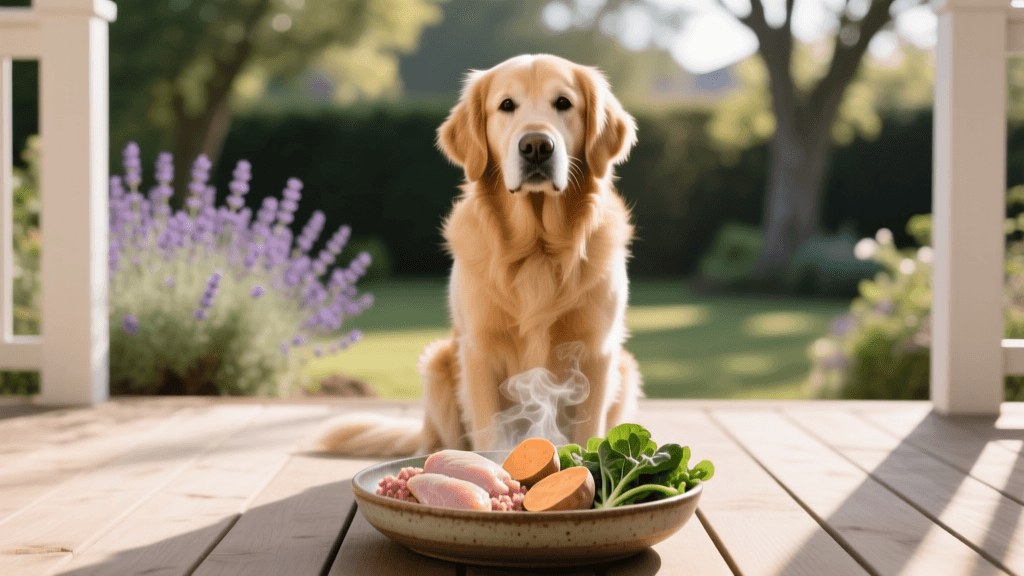
Raw Diets and Dog Anxiety: The Gut-Brain Link in 2026
Discover how raw and fresh diets influence your dog's anxiety and behavior through the gut-brain axis. Expert insights and feeding tips for 2026.
The Hidden Link Between Your Dog's Bowl and Their Brain
When we think about canine behavior, we often look to training methods, socialization history, or breed genetics. However, as veterinary science advances into 2026, a groundbreaking area of canine psychology has taken center stage: the gut-brain axis. For dog owners exploring raw, fresh, and alternative diets, understanding how nutrition directly influences your dog's mental state, anxiety levels, and daily behavior is no longer optional—it is essential.
The food you place in your dog's bowl does more than build muscle and fuel walks; it actively constructs the neurochemical environment of their brain. In this comprehensive guide, we will explore the psychological impacts of fresh and raw feeding, how it alters canine communication and stress responses, and how you can leverage nutrition to foster a calmer, more focused companion in 2026.
Decoding the Canine Gut-Brain Axis
The gut-brain axis is a bidirectional communication network linking the enteric nervous system (the gut) with the central nervous system (the brain). This connection is primarily facilitated by the vagus nerve, which acts as an information superhighway between the stomach and the brain.
Remarkably, approximately 90% of a dog's serotonin—the primary neurotransmitter responsible for regulating mood, anxiety, and happiness—is produced in the gastrointestinal tract, not the brain. The microbiome, a complex ecosystem of trillions of bacteria residing in your dog's digestive tract, dictates how much serotonin is synthesized. Highly processed, high-carbohydrate kibble can promote the growth of inflammatory bacteria, which may send distress signals up the vagus nerve, manifesting as behavioral anxiety, restlessness, or reactivity. Conversely, a biologically appropriate raw or lightly cooked fresh diet cultivates a diverse, robust microbiome that promotes the production of calming neurochemicals.
How Diet Shapes Specific Canine Behaviors
Understanding your dog's psychology requires observing how their diet influences their daily reactions to the world. Here is how raw and fresh diets intersect with three major behavioral categories.
Hyperactivity and the Carbohydrate Rollercoaster
Many behavioral issues labeled as 'hyperactivity' or 'lack of focus' are actually blood sugar dysregulation. Traditional extruded kibble often contains 40% to 60% carbohydrates. When a dog consumes a high-carb meal, their blood glucose spikes, followed by a rapid crash. This crash triggers the release of cortisol and adrenaline, leaving the dog feeling jittery, irritable, and unable to settle. Fresh diets, which are naturally low in glycemic carbohydrates and high in bioavailable proteins and healthy fats, provide a slow, sustained release of energy. Owners frequently report that within 30 days of transitioning to a fresh diet, their dog's 'zoomies' decrease, and their ability to focus during training sessions improves dramatically.
Anxiety, Chewing, and Endorphin Release
Chewing and tearing are innate, hardwired predatory behaviors. When a dog eats kibble, they simply swallow the pellets whole, missing out on the psychological decompression that comes from tearing meat and crushing bone. Raw meaty bones (RMBs) require intense, focused chewing. This mechanical action stimulates the release of endorphins and dopamine in the brain, acting as a natural sedative. Providing a raw recreational bone or a tough, natural chew after a stressful event (like a vet visit or a thunderstorm) is a powerful behavioral tool to help your dog self-soothe and process anxiety.
Resource Guarding and High-Value Foods
One psychological challenge of raw feeding is resource guarding. Because raw meat, marrow bones, and fresh organs are incredibly high-value to dogs, some canines may exhibit guarding behaviors—stiffening, growling, or snapping when approached during mealtime. Understanding this behavior is crucial: it is not 'dominance,' but rather an instinctual fear of losing a prized, scarce resource. If your dog exhibits food guarding, raw feeding requires strict management. You must implement the 'trade-up' game, where you offer a piece of high-value freeze-dried liver or fresh chicken in exchange for the bone, teaching the dog's brain that human proximity near their bowl predicts better things, not theft.
2026 Data: Behavioral Outcomes by Diet Type
Based on aggregated canine behavioral assessments and veterinary nutrition surveys observed through early 2026, here is how different diets correlate with common behavioral presentations.
| Behavioral Trait | High-Carb Kibble Diet | Fresh / Lightly Cooked Diet | Biologically Appropriate Raw Diet |
|---|---|---|---|
| Baseline Anxiety | Moderate to High (linked to gut inflammation) | Low (stable blood sugar, high moisture) | Low to Moderate (depends on bone chewing) |
| Focus & Trainability | Variable (prone to post-meal crashes) | High (sustained cognitive energy) | High (satiety promotes calmness) |
| Resource Guarding Risk | Low (kibble is generally low-value) | Moderate (smells appealing) | High (primal prey drive triggered) |
| Self-Soothing Ability | Low (no mechanical chewing required) | Moderate | High (endorphin release from RMBs) |
Actionable 2026 Guide: Feeding for a Calmer Mind
If you want to use nutrition to support your dog's psychological well-being, you do not necessarily have to commit to a 100% raw diet overnight. Here are practical, actionable steps you can take in 2026 to harness the gut-brain axis.
1. Introduce Fermented Foods for Microbiome Diversity
Fermented foods are nature's probiotics, packed with beneficial bacteria that directly communicate with the brain to lower anxiety. In 2026, products like Green Juju Kitchen's fermented raw toppers (averaging $35 for a 16oz jar) are highly recommended by holistic veterinarians. Alternatively, you can use plain, raw goat milk.
- Dosage: Add 1/2 teaspoon of raw goat milk or fermented topper per 10 lbs of body weight daily.
- Timing: Feed this 30 minutes before a known stressor (like fireworks or a car ride) to allow the vagus nerve to process the calming signals.
2. Targeted Canine Probiotics
Not all probiotics affect behavior. The strain Lactobacillus rhamnosus has been shown in mammalian studies to reduce anxiety-like behaviors by altering GABA receptor expression in the brain. Look for targeted gut-health supplements like AnimalBiome (approximately $45 in 2026), which offers DNA-tested, personalized probiotic blends to address specific behavioral and digestive imbalances.
3. Incorporate Omega-3 Fatty Acids for Neurological Health
DHA and EPA, the Omega-3 fatty acids found in fish oil, are critical for maintaining the structural integrity of brain cells and reducing neuro-inflammation. Dogs with separation anxiety or noise phobias benefit immensely from high doses of Omega-3s.
- Action: Add wild-caught Alaskan salmon oil or whole sardines (packed in water, no salt) to their meals.
- Measurement: Aim for 300mg of combined EPA/DHA per 10 lbs of body weight daily for therapeutic behavioral support.
4. Safe Raw Meaty Bones for Mental Decompression
For dogs that are anxious or hyperactive, supervised chewing is a psychological necessity. Offer raw, meaty bones like raw duck necks or turkey necks (sized appropriately for your dog's breed). Never feed cooked bones, as they splinter and cause internal damage. The act of gnawing on raw cartilage and bone releases tension and satisfies deep-seated predatory instincts, leaving your dog mentally exhausted and relaxed.
Safety and Veterinary Perspectives in 2026
While the behavioral and psychological benefits of raw and fresh diets are profound, it is vital to approach these diets with a commitment to safety and nutritional balance. The U.S. Food and Drug Administration (FDA) continually emphasizes the risks of bacterial pathogens like Salmonella and Listeria in raw meats, which can affect both pets and immunocompromised humans in the household. Furthermore, the Tufts University Cummings Veterinary Medical Center warns against unbalanced 'DIY' raw recipes that lack essential micronutrients like calcium, iodine, and vitamin E, which can lead to severe neurological and skeletal issues over time.
To mitigate these risks in 2026, experts recommend utilizing High-Pressure Processing (HPP) raw foods, which eliminates harmful bacteria without cooking the meat or destroying the delicate enzymes that aid digestion. Alternatively, gently cooked fresh food subscriptions (which cost an average of $120 to $180 per month for a 30lb dog in 2026) offer the microbiome benefits of whole, fresh ingredients with the pathogen safety of light cooking.
Conclusion
Understanding your dog goes far beyond reading their body language or mastering obedience cues; it requires looking at the biological foundation of their behavior. The gut-brain axis proves that a calm, focused, and emotionally resilient dog starts in the digestive tract. By thoughtfully integrating raw, fresh, and alternative foods into your dog's routine, you are not just feeding their body—you are actively nourishing their mind, reducing anxiety, and unlocking their true psychological potential.
anouk-beaumont
All our authors care for dogs every day — read more of their work on the authors page.