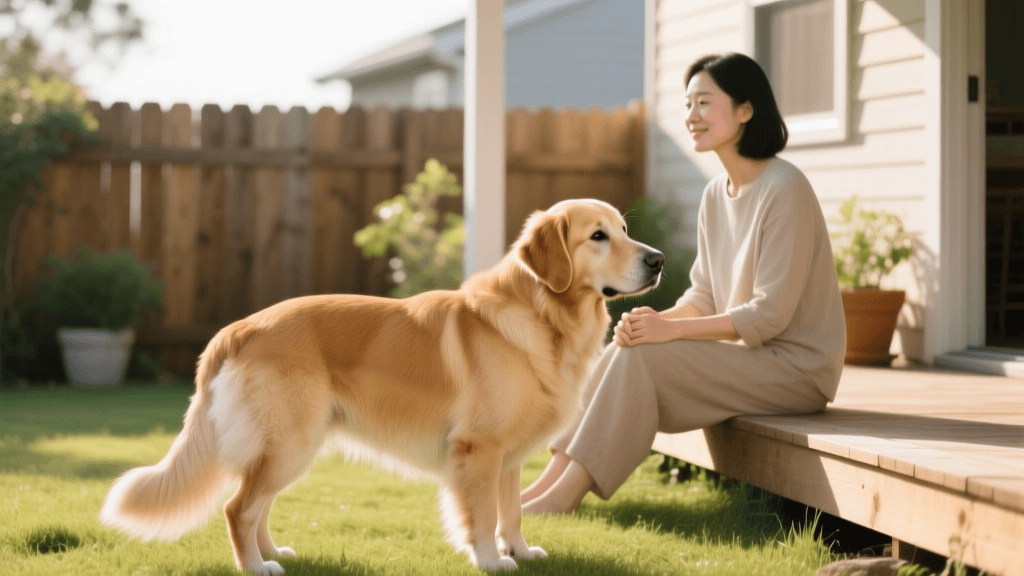
Why Does My Dog Sigh and Groan? Top Questions Answered
Discover why dogs sigh, groan, and moan. We answer Google's most-asked questions about canine vocalizations, body language, and what they mean.
As a dog owner, you are likely familiar with the classic barks, whines, and growls that make up your dog's primary vocal repertoire. However, dogs also communicate through a complex series of subtle sighs, groans, and moans. If you have ever found yourself typing "why does my dog sigh when he lays down" or "what does it mean when a dog groans when petted" into a search engine, you are not alone. These nuanced vocalizations are among the most searched canine behaviors on the internet.
Understanding these sounds is a critical part of mastering canine body language and psychology. While a bark might mean "someone is at the door," a sigh or a groan can indicate anything from deep contentment to underlying joint pain. In this comprehensive guide, we will answer Google's most-asked questions about dog sighs and groans, providing you with actionable advice, behavioral context, and product recommendations to ensure your furry friend is happy and healthy.
Google’s Most-Asked Questions About Dog Sighs and Groans
Why does my dog sigh when he lays down?
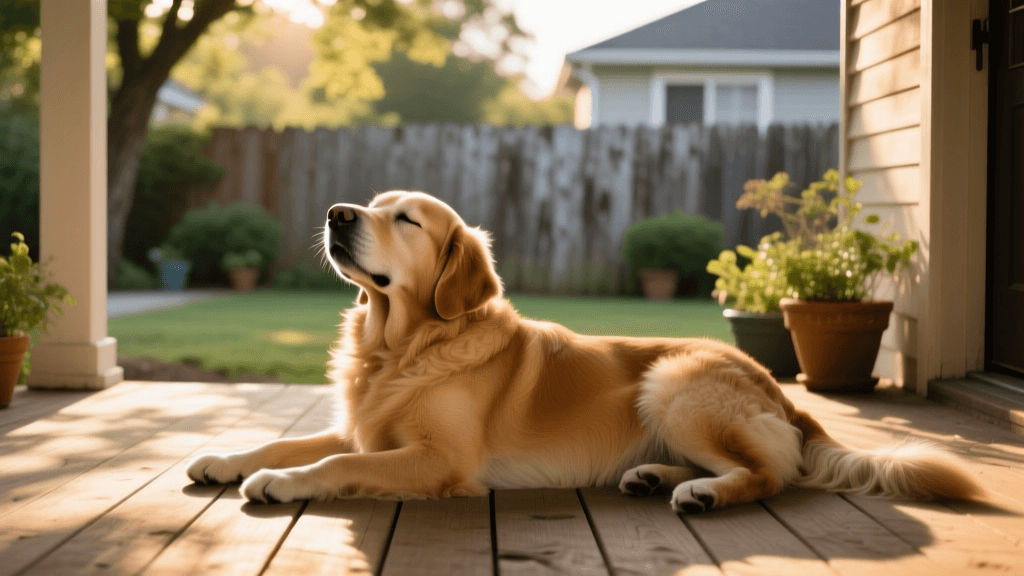
The "contentment sigh" is one of the most common vocalizations dog owners notice. When your dog circles their bed, flops down, and lets out a long, audible exhale, they are typically signaling that they are relaxed and ready to rest. According to the American Kennel Club (AKC), a sigh accompanied by half-closed eyes and a relaxed facial expression is a clear indicator of pleasure and contentment. It is the canine equivalent of a human sinking into a comfortable armchair after a long day.
However, context is everything. If your dog sighs with their eyes wide open while staring at you, it may be a "disappointment sigh." This often happens when they realize a walk isn't happening or that you aren't going to share your dinner. Recognizing the difference requires observing their eye shape and ear position alongside the vocalization.
What does it mean when a dog groans when petted?
If your dog lets out a low, rumbling groan when you scratch them, it is almost always a sign of immense pleasure. Much like a cat's purr, a dog's groan during physical affection indicates that you have hit the "sweet spot." Common areas that elicit this response include the base of the tail, the chest, and behind the ears. This vocalization is a positive reinforcement loop; your dog groans to tell you to keep doing exactly what you are doing.
Why do dogs moan when they stretch?
Dogs, just like humans, experience muscle stiffness after a nap or a long period of inactivity. When a dog performs a full-body stretch (often called the "play bow" or "downward dog" in yoga), they may moan or grunt as their muscles extend and joints pop. This is a normal physiological response to releasing tension in the fascia and muscle fibers. As long as the moaning stops once the stretch is complete and the dog moves normally, it is nothing to worry about.
Is my dog groaning in pain or just getting comfortable?
This is arguably the most critical question owners ask. While groaning can mean pleasure, it can also be a primary indicator of pain, especially in older dogs suffering from osteoarthritis or hip dysplasia. VCA Animal Hospitals notes that dogs are stoic animals and often hide pain, making vocalizations like groaning, whimpering, or grunting when lying down or standing up a major red flag.
How to tell the difference:
- Pleasure Groan: Occurs during petting, eyes are soft or closed, body is loose and wiggly, tail may thump.
- Pain Groan: Occurs when changing positions (lying down or standing up), accompanied by panting, trembling, licking a specific joint, or reluctance to use stairs.
If you suspect pain, a veterinary exam is necessary. Expect to pay between $60 and $100 for a standard physical exam, and an additional $200 to $400 if orthopedic X-rays are required to diagnose joint deterioration.
Decoding Canine Vocalizations: A Quick Reference Table
To help you quickly identify what your dog is trying to tell you, refer to this structured breakdown of common non-bark vocalizations.
| Vocalization | Typical Context | Primary Meaning | Accompanying Body Language |
|---|---|---|---|
| Long Sigh | Lying down after activity | Contentment, relaxation | Half-closed eyes, relaxed ears |
| Short Sigh | Waiting for a walk/treat | Disappointment, resignation | Wide-open eyes, staring, head resting on paws |
| Low Groan | Being petted or scratched | Pleasure, comfort | Leaning into the hand, soft facial expression |
| Grunt/Moan | Standing up or lying down | Joint pain, stiffness, effort | Hesitation, trembling, favoring a limb |
| High-pitched Whine | Owner preparing to leave | Anxiety, stress, seeking attention | Pacing, pinned ears, tucked tail |
Actionable Steps: How to Support a Vocal Dog
Once you have decoded your dog's sighs and groans, you can take actionable steps to improve their environment, comfort, and mental stimulation. Here are specific product recommendations and strategies based on the root cause of their vocalizations.
1. Addressing Joint Pain and Stiffness Groans
If your older or large-breed dog is groaning when lying down on hard surfaces, they likely need better orthopedic support. Standard poly-fill dog beds compress quickly and offer zero joint relief.
- Product Recommendation: The Big Barker 7" Orthopedic Dog Bed (Retail: $250 - $350). This bed uses therapeutic foam specifically designed not to flatten over time, relieving pressure on hips and elbows.
- Supplement Support: Consider Zesty Paws Mobility Glucosamine Chews (Retail: ~$25.99 for 90 chews). These contain glucosamine, chondroitin, and MSM to support cartilage health and reduce the inflammation that causes painful groaning.
2. Curing the "Boredom Sigh"
If your dog is sighing heavily while staring at you from across the room, they might not be disappointed—they might be under-stimulated. The ASPCA emphasizes that mental fatigue is just as important as physical exercise for canine well-being.
- Product Recommendation: The Outward Hound Nina Ottosson Dog Brick Puzzle Toy (Retail: ~$15). By hiding high-value treats (like freeze-dried liver) inside the compartments, you force your dog to use their brain, turning a bored sigh into focused, rewarding work.
- Timing: Provide a puzzle toy 30 minutes before you typically sit down to work or watch TV to preemptively satisfy their need for engagement.
3. Reinforcing the "Pleasure Groan"
When your dog groans during a massage or petting session, use this as a bonding opportunity. Spend 10 to 15 minutes daily performing canine massage techniques, focusing on the neck, shoulders, and lower back. This not only feels good but also allows you to perform a daily "body check" to feel for any unusual lumps, bumps, or heat signatures that could indicate an emerging health issue.
When to Call the Vet
While most sighs and groans are benign, you should schedule a veterinary appointment if you notice any of the following red flags:
- Sudden Onset Vocalization: A dog that has never groaned when lying down suddenly starts doing it consistently.
- Accompanying Symptoms: Groans paired with loss of appetite, lethargy, vomiting, or diarrhea.
- Changes in Posture: If your dog sighs or groans and adopts a "prayer position" (front legs flat on the ground, rear end in the air), this is a primary indicator of severe abdominal pain or bloat, which is a life-threatening emergency requiring immediate intervention.
Conclusion
Decoding why dogs sigh, groan, and moan requires a blend of observation, context, and an understanding of canine psychology. By paying attention to the subtle cues that accompany these vocalizations—from the soft, half-closed eyes of a contented sigh to the hesitant movements of a painful groan—you can better meet your dog's physical and emotional needs. Whether it means investing in an orthopedic bed, introducing a puzzle toy, or simply offering a well-placed scratch behind the ears, responding appropriately to your dog's vocalizations is a cornerstone of responsible and empathetic dog ownership.
tom-renshaw
All our authors care for dogs every day — read more of their work on the authors page.