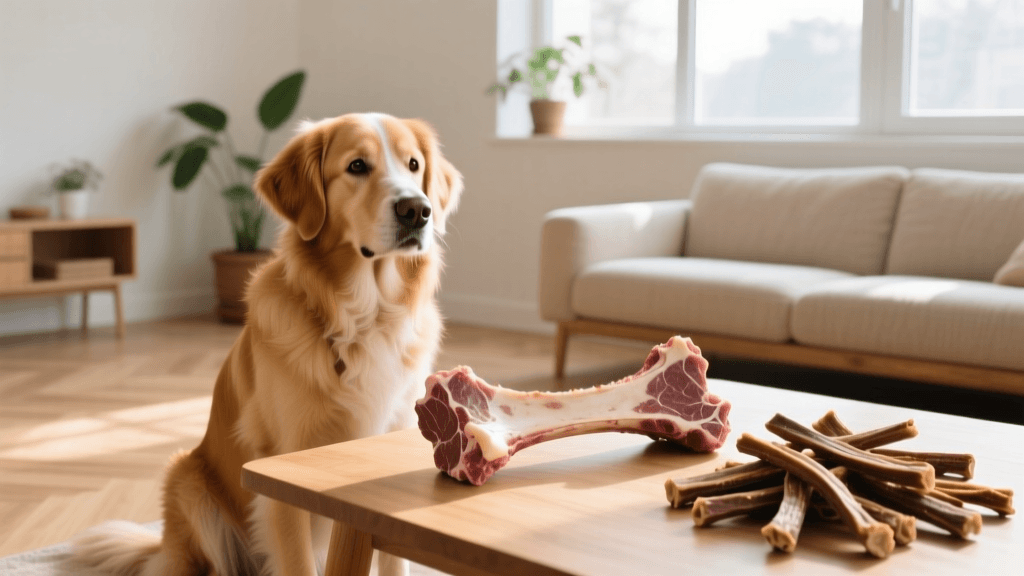
Raw Bones & Canine Anxiety: Understanding Chewing Instincts in 2026
Discover how species-appropriate raw bones and fresh chews satisfy your dog's natural instincts, reducing anxiety and destructive behavior in 2026.
The Psychological Root of Canine Anxiety and Chewing
As dog owners, we often view chewing as a mere puppy phase or a bad habit to be corrected. However, from a canine behavioral perspective, chewing is a deeply ingrained evolutionary imperative. In 2026, veterinary behaviorists and canine psychologists increasingly recognize that a significant portion of canine anxiety, hyperactivity, and destructive household behavior stems from unmet instinctual drives. When we feed our dogs highly processed kibble that is consumed in under thirty seconds, we completely bypass their natural need to forage, dissect, and mechanically process their food. This deprivation can lead to chronic stress, manifesting as counter-surfing, trash-raiding, or the destruction of furniture and shoes.
Understanding your dog means looking past the surface behavior and addressing the root cause. Integrating species-appropriate raw meaty bones (RMBs) and fresh, alternative chews into your dog's diet is not just a nutritional choice; it is a profound behavioral intervention. By providing the physical and mental resistance that fresh, raw materials offer, we can naturally soothe the canine nervous system and dramatically reduce anxiety-driven behaviors.
The Predatory Sequence: Where Kibble Fails and Raw Succeeds
To understand why fresh and raw diets have such a calming effect on the canine brain, we must examine the "predatory sequence." In the wild, a dog's ancestors survived through a specific behavioral chain: search, stalk, chase, bite, kill, dissect, and consume. Modern domestication and commercial pet foods have effectively eliminated the first six steps, delivering the final "consume" step directly into a stainless steel bowl.
When a dog is fed a raw diet that includes whole prey elements or raw meaty bones, they are allowed to engage in the "bite, kill, and dissect" phases. Tearing flesh from bone and crushing cartilage requires intense focus, physical exertion, and problem-solving. This engagement tires the dog mentally, which is far more effective at reducing anxiety than a simple physical walk. According to the American Kennel Club, chewing is a natural, instinctual behavior that provides essential mental stimulation and helps keep a dog's jaw muscles strong and teeth clean, acting as a natural stress-reliever.
The Neurochemistry of the "Chew High"
There is a distinct neurological reward associated with gnawing on fresh, raw bones. The mechanical action of chewing stimulates the release of endorphins and dopamine in the canine brain. This neurochemical response creates what behaviorists often refer to as a "chew high"—a state of deep relaxation and contentment.
Dogs suffering from separation anxiety, noise phobias, or general hyperarousal can use raw chewing as a self-soothing mechanism. Unlike synthetic nylon bones or ultra-processed dental sticks, raw bones offer a dynamic texture that changes as the dog works through it. The bone splinters safely (when raw), the meat provides olfactory enrichment, and the marrow offers a high-value reward that keeps the dog engaged for extended periods, allowing their nervous system to down-regulate from a state of stress to a state of calm.
Comparing Chew Options: Raw vs. Synthetic vs. Processed
Not all chews are created equal, especially when evaluating them through the lens of behavioral enrichment and physical safety. Below is a comparison of common chewing options available to dog owners in 2026.
| Chew Type | Behavioral Enrichment | Dental Benefit | Digestibility & Safety | Longevity |
|---|---|---|---|---|
| Raw Meaty Bones (e.g., Turkey Necks) | Extremely High (fulfills predatory sequence) | Excellent (natural scraping and flossing) | Highly digestible; safe when raw and supervised | Moderate to Long |
| Fresh Frozen Alternatives (e.g., Green Tripe Blocks) | High (strong olfactory stimulation) | Moderate (requires licking and gnawing) | Fully digestible; excellent for gut microbiome | Short to Moderate |
| Synthetic Nylon Bones | Low (static texture, no olfactory reward) | Moderate (can cause tooth fractures if too hard) | Indigestible; risk of intestinal blockage if swallowed | Very Long |
| Ultra-Processed Rawhide | Low to Moderate | Low (becomes slimy and soft quickly) | Poor; heavily treated with chemicals, high choking hazard | Short |
Sourcing and Safety: The 2026 Standard for Raw Feeding
One of the primary concerns regarding raw diets is bacterial contamination, such as Salmonella or Listeria. However, the raw pet food industry has evolved significantly. As of 2026, reputable raw food manufacturers utilize High-Pressure Processing (HPP), a cold-pasteurization technique that eliminates pathogenic bacteria without applying heat, thereby preserving the raw nutritional profile and the structural integrity of the bone and cartilage.
While veterinary nutritionists, such as those at the Tufts University Cummings Veterinary Medical Center, historically caution about the bacterial risks and nutritional imbalances of homemade raw diets, the advent of commercially prepared, HPP-treated, and AAFCO-compliant raw meals and recreational bones has bridged the gap between safety and species-appropriate feeding. When sourcing raw meaty bones for behavioral enrichment, always opt for products intended for canine consumption that have undergone rigorous pathogen testing, rather than repurposing human-grade grocery store meats which may have different bacterial loads intended for cooking.
Reading Your Dog: Body Language and Resource Guarding
Introducing high-value items like raw meaty bones can sometimes trigger resource guarding, a behavior rooted in the fear of losing a prized possession. Understanding your dog's body language during chew time is critical for maintaining a safe and trusting relationship. The ASPCA defines resource guarding as a natural survival behavior that can become problematic in a domestic setting if not managed correctly.
Watch for these subtle signs of anxiety or guarding while your dog chews:
- Whale Eye: The dog turns its head away but keeps its eyes fixed on you, showing the whites of its eyes.
- Stiffening: A sudden freeze in body posture when you approach or walk past.
- Lip Licking or Yawning: Displacement behaviors indicating internal conflict or stress.
- Accelerated Chewing: Frantically trying to consume the bone faster as you get closer.
- Low Growling or Snapping: Overt warnings that the dog feels its resource is threatened.
If you observe these behaviors, do not punish the dog, as this will only increase their anxiety and reinforce the belief that humans approaching their food results in negative outcomes. Instead, practice "trading up"—tossing a higher-value treat (like a piece of fresh freeze-dried liver) near them so they associate your approach with positive additions rather than subtractions.
Actionable Guide: Implementing Raw Chews for Anxiety Relief
To effectively use raw and fresh diets as a behavioral tool, follow this step-by-step protocol:
1. Size and Selection
Always select a raw meaty bone that is larger than your dog's muzzle to prevent accidental swallowing. For aggressive chewers, avoid weight-bearing bones of large mammals (like beef femurs), as these are too dense and can cause slab fractures in canine teeth. Instead, opt for softer, spongy bones like raw turkey necks, duck carcasses, or lamb ribs.
2. The Environment
Introduce raw bones in a quiet, low-traffic area of the home. If you have multiple dogs, separate them into different rooms or crates. The presence of other dogs can trigger competitive anxiety and resource guarding, negating the calming benefits of the chew.
3. Supervision and Time Limits
Never leave a dog unattended with a raw bone. Limit chewing sessions to 15–20 minutes, especially when first introducing them, to prevent gastrointestinal upset from the rich marrow and bone content. Take the bone away, store it in the refrigerator, and offer it again the next day.
4. Fresh Alternatives for Non-Bone Chewers
If your dog is not suited for bones due to dental work or age, utilize fresh-frozen alternatives. Blocks of frozen green tripe, whole frozen sardines, or beef trachea provide excellent olfactory enrichment and chewing resistance without the hardness of bone.
Conclusion
Understanding your dog requires acknowledging their wild ancestry and the psychological needs that accompany it. In 2026, we have the knowledge and the safe, traceable supply chains to offer our dogs the fresh, raw, and species-appropriate diets they crave. By replacing ultra-processed treats and synthetic toys with raw meaty bones and fresh chews, we do more than just improve their dental health and gut microbiome. We provide an essential outlet for their predatory instincts, naturally lower their anxiety, and foster a deeper, more harmonious bond between human and hound. The next time your dog exhibits destructive or anxious behavior, look beyond the symptom and consider if their inner wolf is simply asking for something real to chew on.
marcus-aldridge
All our authors care for dogs every day — read more of their work on the authors page.