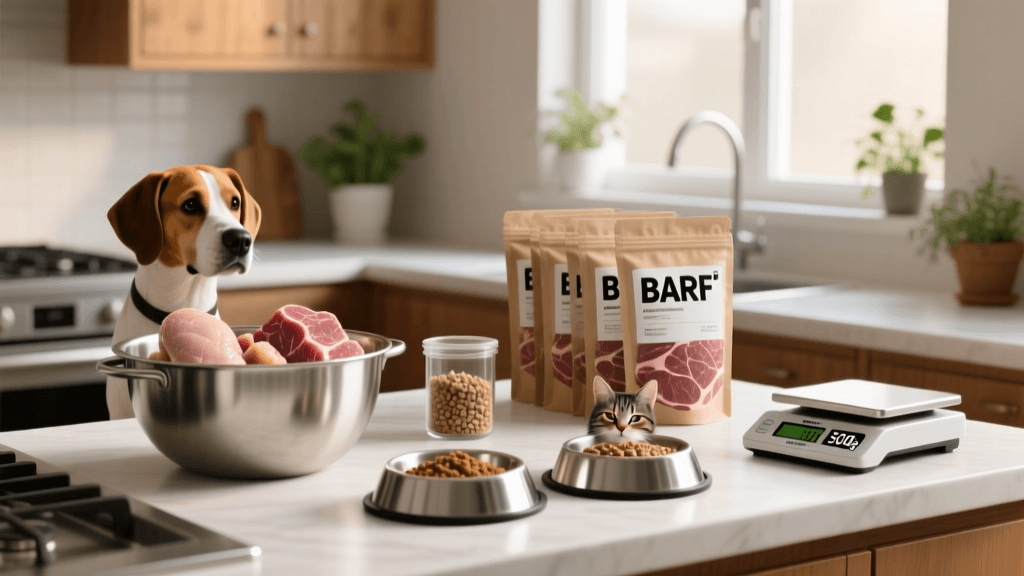
Managing Raw BARF Diets in Multi-Pet Households Safely 2026
Learn how to safely manage a raw BARF diet for dogs and cats in a multi-pet household. Expert tips on prep, storage, and feeding routines for 2026.
The Rise of Raw Feeding in Multi-Pet Homes
As we navigate 2026, the shift toward fresh, raw, and alternative diets for our pets has moved from a niche trend to a mainstream lifestyle choice. For dog owners, the Biologically Appropriate Raw Food (BARF) diet offers incredible benefits, from shinier coats to improved digestive health. However, when you share your home with both dogs and cats, managing a raw diet becomes a complex logistical puzzle. Multi-pet households require strict protocols to ensure that each animal receives species-appropriate nutrition while maintaining a hygienic environment. This comprehensive guide explores the practical realities of managing a raw BARF diet in a home shared by canines and felines, ensuring safety, nutritional adequacy, and household harmony.
Understanding the Nutritional Divide: Dogs vs. Cats
Before diving into meal prep, it is crucial to understand that dogs and cats have distinctly different evolutionary and nutritional requirements. While both are carnivores, cats are obligate carnivores, meaning their bodies are strictly designed to derive nutrients from animal tissue. Dogs, on the other hand, are facultative carnivores (often functioning as omnivores) and can thrive on a diet that includes a higher percentage of plant matter and varied macronutrients.
When formulating or purchasing a raw diet, you cannot simply feed the dog's food to the cat, or vice versa. Cats require significantly higher levels of taurine, arachidonic acid, and preformed vitamin A—all of which are found in high concentrations in specific organ meats and muscle tissues. A dog's raw diet might include 15% to 20% fibrous vegetables and berries, which is entirely unnecessary and potentially unpalatable for a cat. In 2026, the best approach for multi-pet homes is to source species-specific commercial raw blends or work with a board-certified veterinary nutritionist to formulate separate homemade recipes that meet the unique macro and micronutrient profiles of each pet.
Pathogen Prevention and Kitchen Hygiene
Handling raw meat introduces the risk of bacterial pathogens such as Salmonella, Listeria, and E. coli. The U.S. Food and Drug Administration (FDA) explicitly warns pet owners about the risks of raw pet food, noting that these pathogens can affect both the pets and the humans handling the food. In a multi-pet household, the sheer volume of raw meat being prepped and served increases this risk exponentially.
To mitigate these risks in 2026, modern pet owners are adopting commercial-grade kitchen hygiene protocols:
- Dedicated Equipment: Use color-coded, non-porous cutting boards and stainless steel prep bowls exclusively for pet food. Never use the same utensils for human meal prep.
- Disinfection: Ditch standard kitchen sprays. Veterinary clinics use Accelerated Hydrogen Peroxide (AHP) cleaners, such as Rescue™ disinfectant, which effectively kills parvovirus, Salmonella, and ringworm on contact without leaving toxic residues.
- Hand Hygiene: Wash hands with warm water and antibacterial soap for a full 20 seconds immediately after handling raw patties or cleaning bowls.
- Bowl Sanitation: Run stainless steel or heavy-duty ceramic pet bowls through the dishwasher on the 'sanitize' cycle daily. Avoid plastic bowls, which develop micro-scratches that harbor bacteria.
Smart Storage and Thawing Protocols
Bulk buying raw dog food is cost-effective, but it requires robust storage solutions. In 2026, many multi-pet households are investing in dedicated smart chest freezers with Wi-Fi temperature monitoring to ensure their raw food inventory remains safely frozen at or below 0°F (-18°C).
Thawing is where many owners make critical errors. Never thaw raw meat on the kitchen counter. The outer layers will enter the bacterial 'danger zone' long before the center is thawed. The only safe method is to transfer the next day's meals from the freezer to the refrigerator 24 hours in advance. Place the frozen patties or chubs in sealed, reusable silicone prep containers on the bottom shelf of the fridge to prevent any raw juices from dripping onto human food.
Top Raw Diet Options for Multi-Pet Homes (2026 Comparison)
While homemade BARF diets offer ultimate control, they are time-consuming to balance for two different species. High-Pressure Processing (HPP) commercial raw diets remain the gold standard for safety and convenience in 2026. Below is a comparison of top-tier options suitable for multi-pet logistics.
| Brand & Product Line | Format | Best For | 2026 Est. Cost (per lb) |
|---|---|---|---|
| Stella & Chewy's Frozen Patties | Frozen Patties (HPP) | Dogs needing portion control; easy to separate from cat food. | $12.00 - $14.50 |
| Primal Pet Foods Raw Pronto | Frozen Nuggets (HPP) | Small dogs and cats; bite-sized pieces reduce choking hazards. | $13.50 - $16.00 |
| Darwin's Natural Pet Products | Fresh Ground Chubs | Large breed dogs; bulk feeding and easy scooping. | $7.50 - $9.00 |
| RadCat (by RadFood) | Frozen Feline-Specific | Cats; perfectly balanced taurine and calcium ratios. | $18.00 - $21.00 |
Managing the Chaos: Mealtime Routines
Feeding time in a multi-pet raw-feeding household can quickly devolve into chaos if not managed properly. Dogs are often fast, competitive eaters, while cats prefer to graze or eat at a leisurely pace. Furthermore, the American Veterinary Medical Association (AVMA) notes that resource guarding can become a severe behavioral issue when high-value foods like raw meat and meaty bones are introduced.
To maintain peace and safety:
- Spatial Separation: Feed dogs and cats in entirely different rooms, or use baby gates. If space is limited, utilize vertical space. Cats should be fed on elevated cat trees or wall-mounted shelves where dogs cannot reach them.
- Enrichment for Dogs: Spread the dog's raw meal over a textured silicone lick mat or freeze it inside a hollow rubber toy. This slows down the dog's eating pace, giving the cat ample time to finish its meal in peace without feeling rushed or threatened.
- Supervision with Bones: Recreational raw meaty bones (like raw turkey necks or beef knuckles) are fantastic for canine dental health but pose a choking or tooth-fracture risk for cats. Never leave a dog unattended with a raw bone, and immediately remove the bone once the dog is finished to prevent the cat from gnawing on splintered remnants.
Supplements and Additions for Multi-Pet Homes
Even the best commercial raw diets can benefit from fresh, whole-food toppers. In 2026, pet parents are focusing on functional additions that support the microbiome. For dogs, adding a spoonful of fermented goat's milk or a dash of organic, unsweetened kefir can introduce beneficial probiotics that aid in digesting the rich raw proteins.
For cats, a sprinkle of wild-caught sardines (in water, no salt added) provides an excellent boost of Omega-3 fatty acids, supporting joint and coat health. However, be cautious with shared supplements. Garlic, for instance, is sometimes touted in holistic dog circles for flea prevention, but it is highly toxic to cats and can cause Heinz body anemia. Always keep canine and feline supplement jars physically separated and clearly labeled.
Veterinary Oversight and WSAVA Compliance
Transitioning to a raw BARF diet should never be a 'set it and forget it' endeavor. The World Small Animal Veterinary Association (WSAVA) emphasizes the importance of regular nutritional assessments. In a multi-pet home, it is easy to accidentally overfeed a less active cat while underfeeding a high-energy working dog.
Schedule bi-annual veterinary check-ups that include comprehensive blood panels and body condition scoring. Keep a detailed digital log of your pets' daily raw food intake, stool quality, and weight fluctuations. If you notice your dog's stool becoming excessively chalky and white, it indicates too much bone content in the diet; if it is loose or mucous-heavy, the diet may be too rich in organ meats or lack sufficient fiber. Adjusting these ratios requires precision, and having a trusted veterinary partner is essential for long-term success.
Conclusion
Managing a raw BARF diet in a multi-pet household in 2026 requires dedication, meticulous hygiene, and a deep understanding of species-specific nutrition. By investing in proper storage, maintaining strict kitchen sanitation, and establishing structured feeding routines, you can safely provide your dogs and cats with the vibrant, fresh foods they crave. The extra effort is routinely rewarded with the sight of thriving, energetic pets sharing a happy, healthy home.
robin-maitland
All our authors care for dogs every day — read more of their work on the authors page.