Top Quiet Apartment Puppy Breeds: 2026 First-Year Care
Discover the best quiet puppy breeds for apartments and master first-year milestones, potty training, and socialization with our 2026 care guide.
Living in an apartment in 2026 offers incredible urban conveniences, but it also comes with strict noise ordinances, shared walls, and close-quarters living. When bringing a new puppy into a high-rise or multi-family dwelling, selecting a naturally quiet breed is a fantastic first step. However, genetics alone will not guarantee a peaceful home. The real challenge lies in navigating the first year of puppyhood—managing high-rise potty training, preventing separation anxiety, and socializing your pup to the chaotic sights and sounds of urban life.
Whether you have just adopted a Cavalier King Charles Spaniel or are preparing for a Basenji to join your household, this comprehensive 2026 guide covers the essential first-year milestones, training techniques, and apartment-specific strategies you need to raise a well-adjusted, quiet canine companion.
Top Quiet Puppy Breeds for Apartment Living in 2026
Before diving into first-year care, it is helpful to understand which breeds are naturally predisposed to apartment living. According to breed experts, a quiet dog is not just one that lacks vocal cords, but one that possesses a calm, adaptable temperament. The American Kennel Club (AKC) highlights several breeds that excel in smaller spaces without disturbing the neighbors.
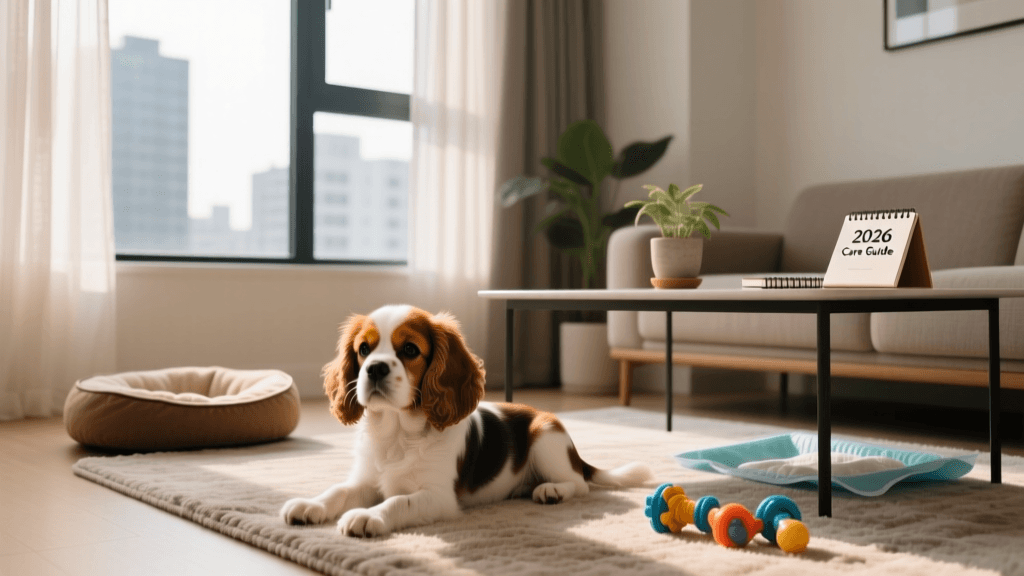
1. Cavalier King Charles Spaniel
Cavaliers are famously affectionate, adaptable, and rarely bark without a profound reason. They thrive on human companionship, making them excellent apartment dogs, provided their moderate exercise needs are met with daily neighborhood walks.
2. Greyhound
Despite their racing background, Greyhounds are widely known as '45-mph couch potatoes.' They are incredibly quiet, sleep for up to 18 hours a day, and generally lack the territorial barking instinct common in smaller guard breeds.
3. Basenji
Famous for being the 'barkless dog,' the Basenji has a uniquely shaped larynx that produces a yodel-like sound (called a baroo) rather than a traditional bark. They are fastidious, cat-like groomers, but they require intense mental stimulation to prevent destructive boredom in small spaces.
4. Pug
Pugs are charming, sturdy, and generally quiet. You are far more likely to hear a Pug snoring on the sofa than barking at the mail carrier. Their low stamina makes them perfectly suited for apartment life.
First-Year Developmental Milestones for Apartment Puppies
Raising a puppy in an apartment requires a structured approach to developmental milestones. Below is a timeline tailored for urban and high-rise environments.
| Age (Months) | Developmental Milestone | Apartment-Specific Action Plan |
|---|---|---|
| 2 - 3 Months | Bladder control development & fear imprinting | Establish a balcony or indoor potty station to avoid elevator accidents. Introduce household noises (vacuum, blender) at low volumes. |
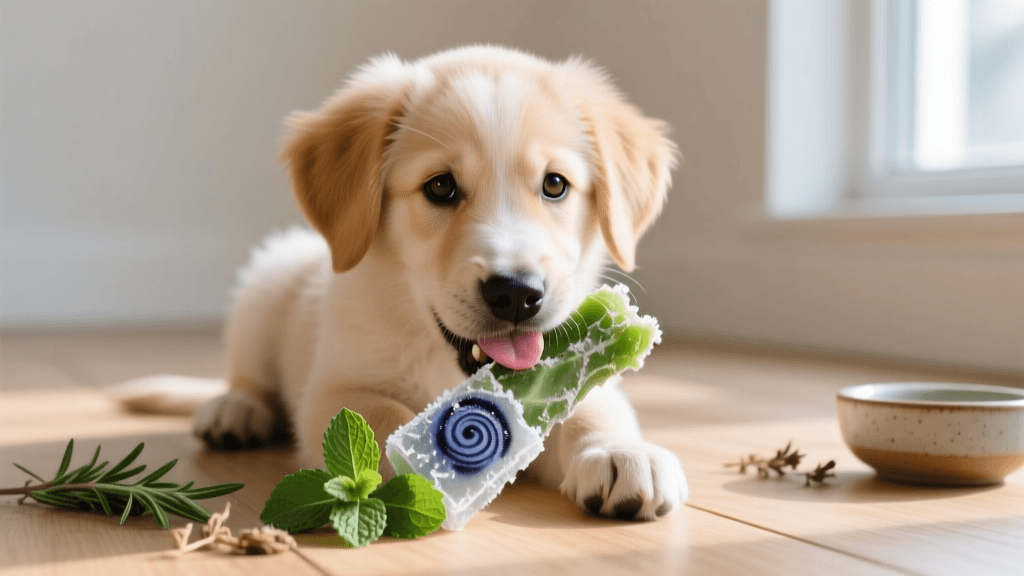
| 3 - 4 Months | Teething begins & bite inhibition | Puppy-proof baseboards and low-lying wires. Provide frozen chew toys to soothe gums and prevent destructive chewing on apartment fixtures. |
| 4 - 6 Months | Socialization window closes & vocalization testing | Reward quiet behavior heavily. Carry your pup through the lobby to observe strangers and automatic doors without triggering reactive barking. |
| 6 - 9 Months | Adolescent independence & separation anxiety peaks | Practice 'departure desensitization.' Use smart cameras to monitor and reward calm, independent resting while you work in another room or run errands. |
| 9 - 12 Months | Physical maturity & routine solidification | Transition to adult feeding schedules. Solidify the 'quiet' command and ensure your dog can relax in a crate or pen when guests or maintenance workers visit. |
High-Rise Potty Training: Balcony vs. Elevator
Potty training in a high-rise is notoriously difficult. A puppy with a developing bladder simply cannot wait for a three-minute elevator ride, a walk through a busy lobby, and a trek across the concrete to a designated pet relief area. In 2026, the most successful apartment puppy owners utilize a hybrid potty training approach.
Indoor and Balcony Solutions
For balcony owners, subscription-based hydroponic grass services like DoggieLawn or Fresh Patch are game-changers. These deliver real, soil-free grass to your balcony on a bi-weekly basis, providing a natural texture that is easy to transition away from later. For those without balconies, indoor grate systems like the UgoDog or PetSafe PeeWee keep paws dry and contain odors using specialized absorbent pads or wood pellets.
The 'Elevator Hold' Strategy
If you must take your puppy outside, teach them to 'hold it' in the elevator by keeping them in a calm, seated position against the wall, avoiding high-stimulation greetings with neighbors during potty trips. Save social interactions for dedicated play walks, not bathroom breaks.
Preventing Separation Anxiety in Close Quarters
Even the quietest breeds can develop nuisance barking or howling if they suffer from separation anxiety. In an apartment, your neighbors are separated from your dog by mere inches of drywall, making anxiety management a critical component of puppy care.
The ASPCA notes that separation anxiety is triggered by a dog's panic over being isolated, rather than simple boredom. To prevent this during your puppy's first year:
- Desensitize Departure Cues: Pick up your keys, put on your coat, and then sit back down on the couch. Do this repeatedly so your puppy stops associating these actions with immediate abandonment.
- Utilize Smart Tech: The 2026 models of pet cameras, such as the Furbo 360, feature AI-driven bark alerts and automated treat-tossing. This allows you to interrupt and reward quiet behavior remotely before a barking spiral begins.
- White Noise and Enrichment: Apartments are full of triggering sounds—footsteps in the hall, doors slamming, or neighboring plumbing. Use a white noise machine like the Yogasleep Dohm to mask hallway noises. Pair this with a frozen Kong Classic stuffed with puppy-safe peanut butter and kibble to create a positive association with your departure.
Urban Socialization: Keeping Your Quiet Puppy Confident
A common misconception is that quiet puppies should be kept in quiet environments. In reality, a puppy that is not exposed to the urban environment during the critical socialization window (up to 16 weeks) will likely develop fear-based reactivity, which manifests as lunging and barking on a leash.
The AKC emphasizes that socialization is about exposure, not interaction. Your goal is to teach your puppy to observe the world neutrally.
The Urban Puppy Socialization Checklist
- Lobby Desensitization: Sit in your building's lobby with your puppy on a mat. Reward them for watching people walk through the automatic sliding doors without reacting.
- Elevator Etiquette: Ride the elevator during off-peak hours. Reward your puppy for sitting calmly as the doors open and close, and for ignoring the mechanical noises of the shaft.
- Surface Variety: Urban environments feature grates, tactile paving, polished marble, and concrete. Encourage your puppy to walk over these surfaces using high-value treats to build physical confidence.
- Sirens and Construction: When a fire engine passes or nearby construction begins, immediately start a 'find it' game, tossing treats on the floor. This conditions your puppy to associate loud, scary urban noises with positive outcomes, preventing fear-barking.
Teething and Destructive Chewing in Small Spaces
Between 3 and 6 months of age, your puppy will lose their baby teeth. In a sprawling suburban home, a teething puppy might chew on a forgotten shoe in the garage. In a 700-square-foot apartment, your baseboards, door frames, and sofa legs are prime real estate for a teething pup.
To protect your security deposit and your sanity, implement the following teething protocols:
- Puppy-Proof at Floor Level: Use cord concealers for all TV and lamp wires. Apply a bitter-tasting deterrent spray, like Grannick's Bitter Apple, to wooden baseboards and furniture legs.
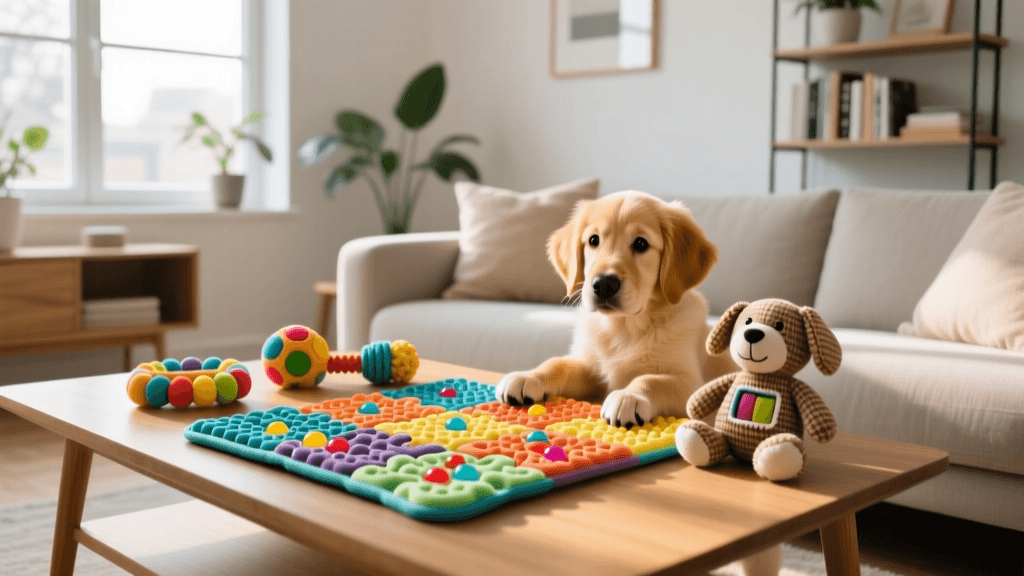
- Rotate Chew Toys: Puppies lose interest in toys that are always available. Keep a rotation of three distinct textures: a cold rubber toy (kept in the fridge), a durable nylon chew like the Nylabone Power Chew, and an edible dental chew approved by your veterinarian.
- Supervised Confinement: When you cannot actively watch your puppy, they must be in a crate or a foldable wire exercise pen. This prevents them from practicing destructive habits and keeps them safe from ingesting household toxins.
Conclusion
Raising a quiet puppy in an apartment in 2026 is a highly rewarding experience that requires foresight, patience, and proactive management. By selecting a suitable breed, optimizing your potty training logistics, and prioritizing early urban socialization, you can cultivate a peaceful, happy environment for both your dog and your neighbors. Remember that a quiet dog is not born; they are raised through consistent, positive reinforcement and a deep understanding of their developmental needs during that crucial first year.
marcus-aldridge
All our authors care for dogs every day — read more of their work on the authors page.