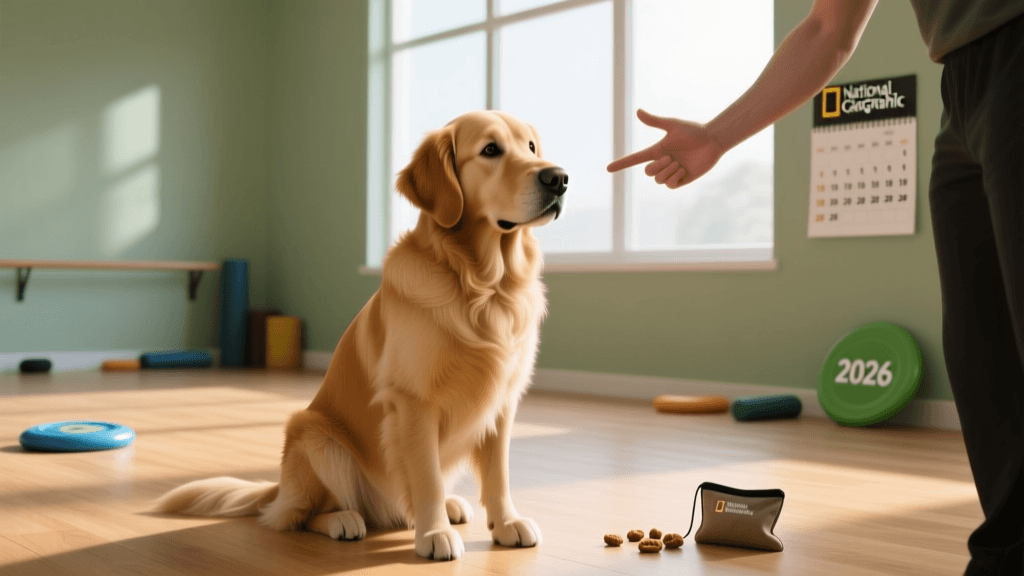
Best Remote Work Dogs: 2026 Independence Training
Discover the best dog breeds for remote workers in 2026 and learn expert independence training techniques for a peaceful, productive home office.
Navigating the 2026 Remote Work Landscape with Your Dog
As we navigate the fully established remote work landscape of 2026, the home office has evolved into a permanent hybrid sanctuary. For many professionals, sharing this workspace with a canine companion is the ultimate perk. However, the reality of working from home with a dog requires more than just placing a cozy bed in the corner of your office. It demands structured behavioral conditioning, specifically focusing on quiet independence. Whether you are adopting a new puppy or retraining an adult dog, teaching your pet to coexist peacefully during your work hours is essential for your productivity and their mental well-being.
In this comprehensive guide, we will explore the best dog breeds suited for remote workers and detail the exact training protocols required to foster independence, silence nuisance barking during Zoom calls, and manage digital audio triggers in a modern 2026 smart home environment.
Why Independence Training is the Cornerstone of WFH Dog Ownership
When you work from home, your dog has access to you 24/7. While this sounds like a dream, it can quickly lead to hyper-attachment and severe separation anxiety the moment you need to leave the house or close your office door for a confidential meeting. Independence training teaches your dog that being alone, or simply being ignored while you focus on a screen, is a safe, rewarding, and normal state of being. Without this conditioning, even the most naturally docile breeds can develop demanding behaviors, such as pawing at your keyboard, whining during conference calls, or pacing restlessly.
The Top 4 Remote Work Dog Breeds for 2026
Not all dogs are naturally wired to sleep under a desk for eight hours. High-drive working breeds like Border Collies or Belgian Malinois will struggle in a sedentary home office unless their intense physical and mental needs are met before and after work. Instead, remote workers should look for breeds with an 'off-switch.' Here are the top four breeds that excel in a work-from-home environment:
- Greyhound: Often misunderstood as high-energy, retired racing Greyhounds are notorious 'couch potatoes.' They require a brief morning sprint but spend the rest of the day sleeping deeply, making them perfect silent office mates.
- Basset Hound: With their low energy levels and stubborn but gentle nature, Basset Hounds are content to lounge nearby. Their primary motivation is scent, which makes scent-based enrichment toys ideal for keeping them occupied during your workday.
- Cavalier King Charles Spaniel: The ultimate companion dog, Cavaliers are deeply affectionate and highly adaptable. They thrive on proximity but can be trained to settle on a mat beside your desk without demanding constant physical contact.
- Shiba Inu: Known for their cat-like independence, Shibas are naturally aloof and do not typically suffer from the velcro-dog syndrome. They are quiet, clean, and perfectly happy entertaining themselves in the same room as you.
Core Training Protocol 1: The 'Place' Command for Uninterrupted Calls
The most critical obedience skill for any remote work dog is the 'Place' command. This behavioral conditioning technique teaches your dog to go to a specific mat or bed and remain there until released. According to the American Kennel Club (AKC), teaching a solid 'Place' command provides your dog with a clear boundary and a safe space to relax, which drastically reduces anxiety and wandering during your work hours.
Step-by-Step 'Place' Training for the Home Office
- Lure and Reward: Choose a specific mat (e.g., a durable, chew-resistant orthopedic mat). Stand close to the mat, lure your dog onto it with a high-value treat, and the moment all four paws are on the mat, say 'Yes!' and reward them.
- Add the Verbal Cue: Once your dog reliably follows the lure onto the mat, introduce the verbal cue 'Place' just before you point to the mat. Reward heavily when they comply.
- Build Duration: This is where most owners fail. Do not reward your dog immediately for stepping on the mat. Wait two seconds, then five, then ten. Use a continuous treat delivery system, like the Furbo 2026 Treat Tossing Camera, to remotely reward your dog for staying on their mat while you sit at your desk.
- Add Distance and Distractions: Gradually move your chair further away from the mat. Simulate work distractions by typing loudly, taking a mock phone call, or dropping a pen. If your dog breaks the 'Place' command, calmly guide them back without offering a treat, and reset the timer.
Core Training Protocol 2: Audio Desensitization for Digital Pings
The modern 2026 home office is filled with digital triggers: Slack notification pings, Zoom meeting chimes, incoming email swooshes, and smart doorbell alerts. For a dog with high alert sensitivity, these sudden noises can trigger barking sprees that ruin professional calls. Audio desensitization is the process of changing your dog's emotional response to these sounds from 'alert/alarmed' to 'indifferent.'
The Desensitization Framework
Record or download the specific notification sounds that trigger your dog. Play the sound at a volume so low that your dog notices it but does not react (no barking, no ear flicking). The exact millisecond the sound plays, toss a high-value treat to your dog. Repeat this 20 times per session. Over the course of two weeks, gradually increase the volume. The goal is to condition your dog to believe that a Zoom chime or a Slack ping is simply a cue that a treat is coming, effectively turning a disruptive trigger into a positive event.
Core Training Protocol 3: In-Home Separation and 'Room Alone' Training
Just because you are home all day does not mean your dog should follow you from room to room. In-home separation training is vital to prevent isolation distress. The ASPCA emphasizes that dogs must learn to be comfortable when separated from their owners, even within the same house, to prevent severe behavioral issues when the owner eventually leaves for the day.
Start by installing a baby gate at the door of your home office. Work inside the office while your dog is in the hallway with a long-lasting chew, such as a stuffed Kong or a yak cheese chew. If they whine, wait for a brief moment of silence before acknowledging them. Gradually increase the time they spend in a completely different room, utilizing interactive puzzle feeders to keep their brains engaged while you are out of sight.
2026 Breed-Specific Training Nuances
While the core protocols apply universally, tailoring your approach to your dog's specific genetic predispositions will yield faster results.
Greyhound: The Sprint and Settle Routine
Greyhounds are sprinters, not marathon runners. Their training should focus on a rigid morning routine: a 20-minute off-leash sprint in a fenced area or a high-intensity game of flirt-pole. Once their anaerobic energy is depleted, they will naturally default to their 'settle' state. Pair this with a heated orthopedic bed in your office, and your Greyhound will sleep through your entire workday.
Basset Hound: Scent-Driven Enrichment
Basset Hounds are driven by their noses. Physical exercise is less effective for tiring them out than mental, scent-based exhaustion. Before your workday begins, hide small portions of their breakfast around the living room or use a complex snuffle mat. This satisfies their hunting instincts and leaves them mentally fatigued and ready to nap under your desk.
Cavalier King Charles Spaniel: Managing 'Velcro' Tendencies
Cavaliers want to be physically touching you at all times. To train them for office independence, use the 'Place' command but position their mat directly adjacent to your feet. This allows them to feel your presence without being underfoot. Reward them for resting their chin on their mat rather than climbing into your lap while you type.
Shiba Inu: Respecting the Independent Mind
Shibas are highly intelligent but notoriously stubborn. They do not respond well to repetitive, drill-style obedience. Instead, use 'capturing'—keep a pouch of treats on your desk and randomly reward your Shiba whenever they voluntarily choose to lie down and relax on their own. This reinforces their natural independence and encourages quiet settling without the friction of forced compliance.
WFH Dog Breed Training Comparison Chart
Use the table below to compare the training requirements and suitability of the top remote work breeds for 2026.
| Breed | WFH Suitability | Independence Training Difficulty | Primary Training Focus | Daily Mental Stimulation Needed |
|---|---|---|---|---|
| Greyhound | Excellent | Low | Sprint & Settle routines | Low (Post-sprint) |
| Basset Hound | Very Good | Medium | Scent-work & Snuffle mats | Medium (Scent-driven) |
| Cavalier K.C.S. | Good | High | Boundary & Mat training | Low to Medium |
| Shiba Inu | Excellent | Medium | Capturing calm behaviors | Medium (Puzzle toys) |
Conclusion: Building a Productive 2026 Home Office
Sharing your remote workspace with a dog is one of the greatest joys of the modern work-from-home era, but it requires dedication to behavioral conditioning. By selecting a breed naturally predisposed to indoor relaxation and rigorously applying independence training protocols like the 'Place' command, audio desensitization, and in-home separation, you can cultivate a peaceful environment. Remember that consistency is your greatest tool. Stick to your routines, utilize modern enrichment tools, and your dog will become the perfect, silent colleague you always wanted.
beth-carrasco
All our authors care for dogs every day — read more of their work on the authors page.