Best Puppy Breeds for Remote Workers in 2026: Top 5 Picks
Discover the best puppy breeds for remote workers in 2026. Learn which quiet, adaptable dogs thrive in a home office, plus WFH puppy training tips.
The Rise of the Work-From-Home Dog in 2026
As we navigate the evolving landscape of remote and hybrid work in 2026, the home office has become a permanent fixture for millions of professionals. With the flexibility to manage our own schedules, bringing a puppy into the household has never been more appealing. According to the American Veterinary Medical Association, pet ownership continues to see steady growth, heavily driven by remote workers seeking companionship during the workday.
However, not every puppy is suited for a quiet environment filled with video conferences, deep-focus sessions, and shared living spaces. A high-energy, vocal herding breed might turn your morning stand-up meeting into a chaotic nightmare. To maintain your productivity and ensure your puppy thrives, you need a breed that is adaptable, relatively quiet, and content with intermittent attention. Below, we explore the top five puppy breeds perfectly suited for remote workers in 2026, followed by a comprehensive guide on managing your puppy’s first year while working from home.
Top 5 Puppy Breeds for Remote Workers
1. Cavalier King Charles Spaniel
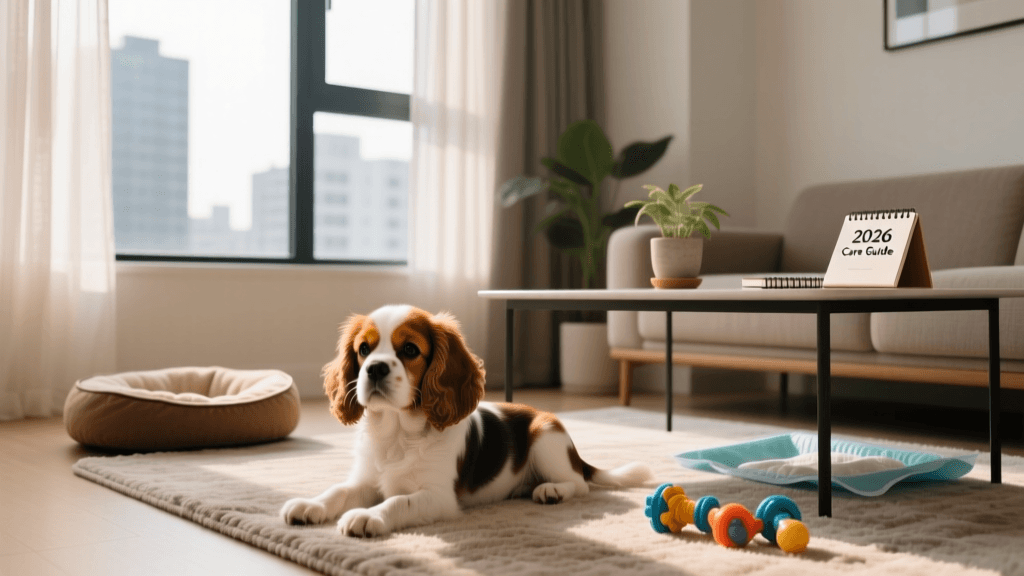
The Cavalier King Charles Spaniel is the quintessential work-from-home companion. Known for their gentle, affectionate, and highly adaptable nature, these dogs are perfectly content spending the day napping under your desk or curled up on your lap while you type. According to the American Kennel Club, Cavaliers are eager to please and respond beautifully to positive reinforcement training, making early puppyhood a breeze. They rarely bark without a good reason, ensuring your Zoom calls remain uninterrupted.
2. Greyhound
While often associated with racing, retired Greyhounds and even Greyhound puppies (when properly exercised) are notorious "couch potatoes." They are incredibly quiet, low-barking dogs that prefer lounging on a soft bed to causing mischief. A quick 30-minute morning walk and a brief midday play session are usually enough to satisfy their exercise needs, allowing you to return to your home office with a sleeping dog at your feet.
3. Bichon Frise
For remote workers with allergies or those who prefer a smaller, cheerful companion, the Bichon Frise is an outstanding choice. Their hypoallergenic, low-shedding coat is a massive plus for keeping your home office clean. Bichons are highly intelligent and trainable. While they can be playful, they are generally not excessive barkers if properly socialized during their critical 8-to-14-week developmental window.
4. Basenji
If your primary concern is noise, the Basenji is the ultimate solution. Famous for being the "barkless dog," Basenjis communicate through unique yodels and soft sounds that rarely penetrate the microphone of your noise-canceling headset. They are fastidious self-groomers, much like cats, and possess an independent streak. They require consistent, patient training during their first year but reward you with a remarkably quiet presence during your workday.
5. Bernese Mountain Dog
If you have a spacious home office and prefer a larger breed, the Bernese Mountain Dog is a gentle giant that excels in a remote work environment. Despite their size, they are remarkably calm indoors and deeply bonded to their owners. They are happy to rest on a large orthopedic bed in the corner of your office, occasionally seeking a quick head scratch before settling back down. Their moderate energy levels require a solid morning hike, after which they are prime candidates for a long, quiet workday.
Comparison Chart: WFH Puppy Breeds at a Glance
| Breed | Energy Level | Barking Level | Grooming Needs | WFH Suitability Score |
|---|---|---|---|---|
| Cavalier King Charles Spaniel | Low to Moderate | Low | Moderate | 10/10 |
| Greyhound | Low (Indoors) | Very Low | Low | 9/10 |
| Bichon Frise | Moderate | Low to Moderate | High | 8.5/10 |
| Basenji | High | None (Yodels) | Low | 8/10 |
| Bernese Mountain Dog | Moderate | Low | High | 9/10 |
Managing Your Puppy's First Year While Working Remotely
Choosing the right breed is only the first step. The first year of a puppy’s life is packed with developmental milestones that require careful management, especially when you are balancing a full-time remote job.
Potty Training on a Zoom Schedule
Puppies between 8 and 16 weeks old have tiny bladders and need to eliminate every 1 to 2 hours. To manage this without disrupting your meetings:
- Time-Bock Bathroom Breaks: Align potty breaks with your natural work transitions. Take the puppy out immediately after waking up, right after meals, and during the 5-minute breaks between hourly meetings.
- Smart Pet Doors: In 2026, microchip-activated smart pet doors are highly affordable and secure. If you have a fenced yard, installing one allows your puppy to access a designated potty area without you having to constantly get up from your desk.
- Indoor Grass Patches: For apartment dwellers, subscription-based indoor grass patches delivered to your door weekly provide an excellent emergency potty solution during back-to-back virtual meetings.
Teething and Chew-Proofing Your Home Office
Between 12 and 24 weeks, your puppy will begin teething, and their desire to chew will peak. A home office is filled with hazards, particularly expensive charging cables, fiber-optic wires, and ergonomic mouse cords.
- Cable Management: Invest in heavy-duty, braided cable sleeves and cord concealers. Keep all power strips elevated on desk mounts rather than on the floor.
- Appropriate Chew Toys: Stock up on durable rubber chew toys. Fill them with puppy-safe peanut butter and freeze them overnight. A frozen toy provides soothing relief for inflamed gums and can keep your puppy occupied in their playpen for up to 45 minutes while you focus on deep work.
Early Socialization and Separation Anxiety Prevention
One of the greatest risks for puppies raised by remote workers is separation anxiety. Because you are home 24/7, your puppy may fail to learn how to self-soothe when you eventually need to leave the house. The ASPCA emphasizes the importance of gradual desensitization to prevent severe distress behaviors.
Pro Tip for 2026: Practice "fake departures." Put on your shoes, grab your keys, walk out the front door, and return 30 seconds later. Gradually extend this time to 5, 10, and eventually 30 minutes. This teaches your puppy that your departure is temporary and not a cause for panic.
Additionally, utilize a smart pet camera with two-way audio and treat-tossing capabilities. This allows you to check in on your puppy from a different room or reward them for calm behavior while you are out running errands.
Essential Gear for the 2026 Home Office
To ensure a harmonious environment, equip your home office with the following modern puppy essentials:
- Orthopedic Snuffle Mat: Perfect for mental stimulation. Scatter your puppy’s kibble across the mat during a long conference call to keep them quietly foraging and engaged.
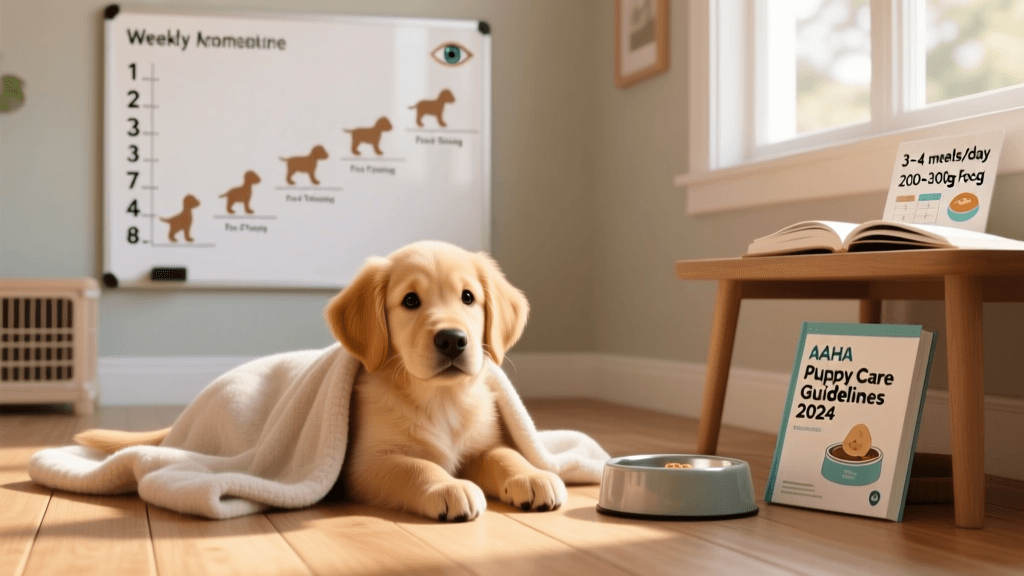
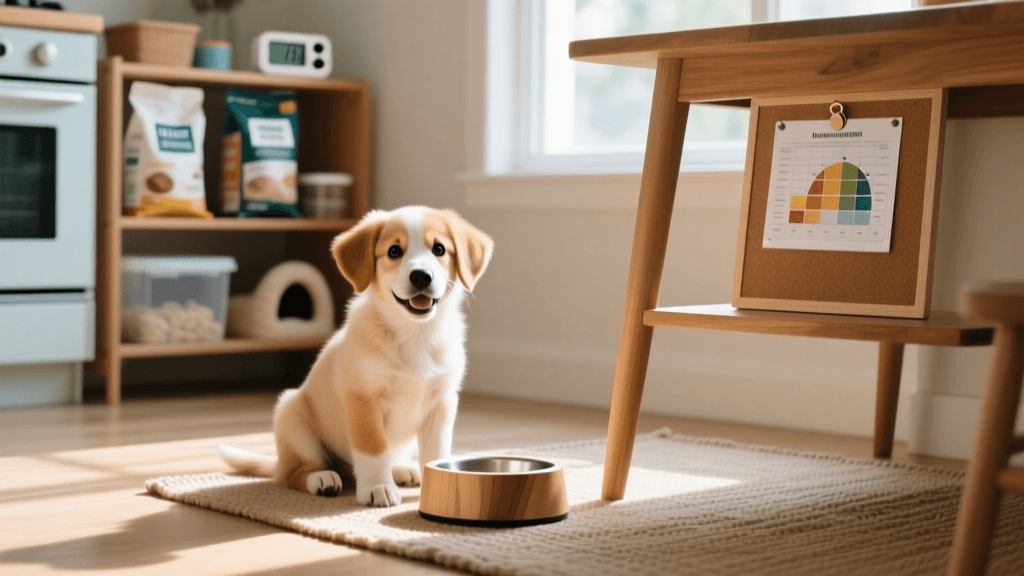
- Automated Portion Feeders: Puppies require 3 to 4 small meals a day. An automated feeder with a programmable 2026 smart-home app ensures your puppy is fed on a strict schedule, aiding in predictable potty training routines.
- Sound-Masking White Noise Machine: If you live in a busy urban area or an apartment building, a white noise machine placed near your puppy’s bed will drown out hallway sounds and delivery drivers, preventing reactive barking during your work hours.
Conclusion
Integrating a puppy into your remote work lifestyle in 2026 is a deeply rewarding experience that requires strategic planning. By selecting a breed that naturally aligns with a quiet, indoor lifestyle—such as the Cavalier King Charles Spaniel or the Greyhound—and implementing structured routines for potty training, teething, and independence, you can foster a well-adjusted adult dog. Your home office will transform from a solitary workspace into a shared sanctuary of productivity and companionship.
marcus-aldridge
All our authors care for dogs every day — read more of their work on the authors page.