Top 7 Quiet Dog Breeds for Apartment Living in 2026
Discover the top quiet dog breeds for apartment living in 2026. Learn which low-bark, space-friendly pups thrive in small spaces and how to choose yours.
The Rise of Urban Dog Ownership in 2026
As urban housing trends in 2026 continue to favor high-density living and micro-apartments, finding the perfect canine companion requires careful consideration. Space is at a premium, but more importantly, shared walls mean that a vocal dog can quickly lead to noise complaints and strained neighborly relations. Fortunately, many dog lovers are discovering that apartment living does not mean sacrificing the joy of pet ownership. By selecting naturally quiet, low-bark breeds, you can enjoy a peaceful home while providing a loving environment for your furry friend.
According to the American Kennel Club (AKC), the best apartment dogs are those that possess a calm indoor temperament and moderate energy levels that can be satisfied with daily neighborhood walks rather than sprawling backyards. Let us explore the top quiet dog breeds that are thriving in apartment settings this year.
Top 7 Quiet Dog Breeds for Apartments in 2026
1. Basenji: The Barkless Wonder
Famously known as the "barkless dog," the Basenji is a unique breed that communicates through yodels, chortles, and soft whines rather than traditional barking. Originating from Central Africa, these sleek, short-coated dogs are incredibly clean and fastidious, often grooming themselves like cats. While they possess high energy and require daily mental stimulation and brisk walks, their lack of a traditional bark makes them an exceptional choice for thin-walled apartments. Keep in mind that their independent nature requires patient, positive reinforcement training.
2. Greyhound: The 45-MPH Couch Potato
It is a common misconception that Greyhounds need vast open spaces to run constantly. In reality, retired racing Greyhounds are notorious couch potatoes. They sprint for short bursts and then sleep for up to 18 hours a day. Their gentle, quiet demeanor and low tendency to bark make them ideal for apartment living. A daily leash walk and occasional access to a secure, fenced dog park for a quick sprint are usually enough to keep a Greyhound perfectly content in a small urban space.
3. Shiba Inu: The Clean and Quiet Companion
Shiba Inus are known for their cat-like independence and meticulous cleanliness. They are generally very quiet dogs, barking only when there is a genuine reason, such as an intruder or a severe startle. Their compact size is perfect for apartments. However, prospective owners must be prepared for their stubborn streak and the famous "Shiba scream" if they are deeply unhappy or at the vet. With proper socialization and routine, the Shiba Inu is a remarkably peaceful apartment roommate.
4. Cavalier King Charles Spaniel: The Gentle Soul
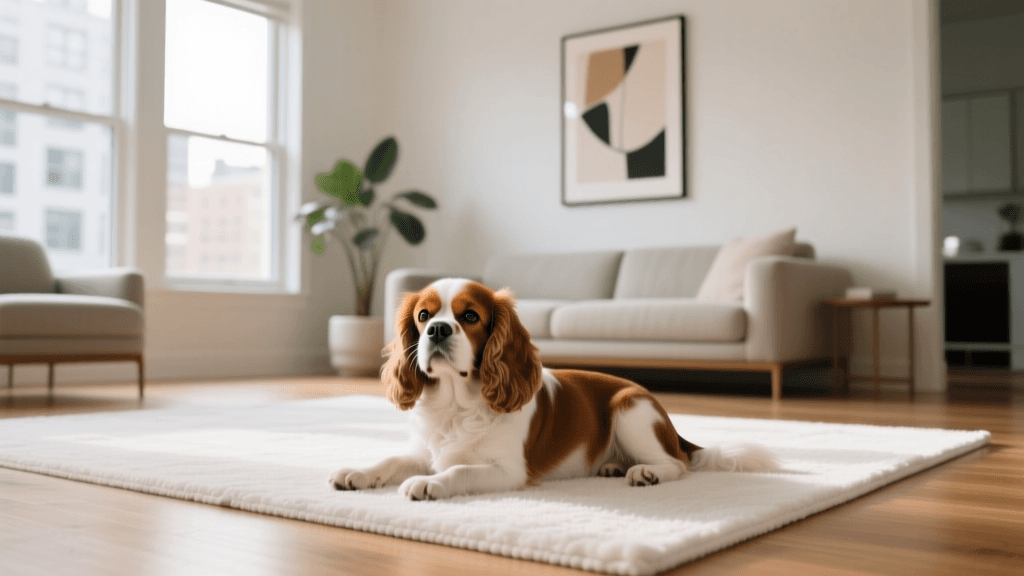
If you are looking for a breed that thrives on human companionship and rarely raises its voice, the Cavalier King Charles Spaniel is a top contender. These affectionate, adaptable dogs are just as happy cuddling on the sofa as they are on a leisurely stroll. They are highly attuned to their owner's emotions and tend to be very quiet, making them excellent therapy dogs and perfect for quiet apartment buildings. Regular brushing is required to maintain their beautiful, silky coats.
5. French Bulldog: The Low-Energy Charmer
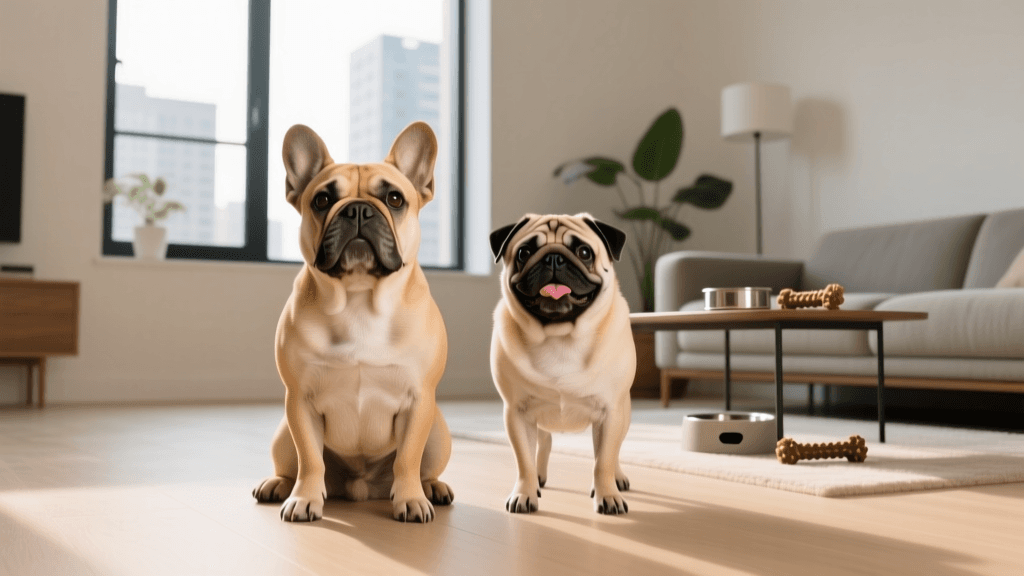
French Bulldogs have consistently ranked among the most popular city dogs, and for good reason. Their low exercise requirements and minimal barking make them tailor-made for apartment life. A short daily walk and some indoor play are sufficient to tire them out. Because of their brachycephalic (flat-faced) anatomy, they are sensitive to heat and intense exercise, meaning they prefer the climate-controlled comfort of an apartment. Note that while they do not bark much, they are notorious for snoring and making quirky grunting noises.
6. Japanese Chin: The Aristocratic Lapdog
Bred specifically to be companions to nobility, the Japanese Chin is a small, elegant, and exceptionally quiet breed. They are highly intelligent, deeply devoted to their families, and generally aloof with strangers, which means they rarely engage in nuisance barking at hallway noises. Their exercise needs are minimal, easily met with indoor play and short walks. Their long, silky coat requires regular grooming, but their calm disposition makes grooming sessions relatively stress-free.
7. Whippet: The Sleek and Silent Sprinter
Similar to the Greyhound but in a more compact package, the Whippet is a gentle, affectionate, and remarkably quiet dog. They are sensitive souls that form deep bonds with their owners and prefer to be indoors, snuggled under a warm blanket. Whippets rarely bark without cause and are generally polite with neighbors. They do need a daily opportunity to run in a safe, enclosed area, but inside the apartment, they are the ultimate low-profile, silent companions.
Apartment Dog Breed Comparison Chart
| Breed | Size | Energy Level | Barking Level | Grooming Needs |
|---|---|---|---|---|
| Basenji | Medium | High | Very Low (Yodels) | Low |
| Greyhound | Large | Low (Indoors) | Low | Low |
| Shiba Inu | Small-Medium | Moderate | Low | Moderate |
| Cavalier King Charles | Small | Moderate | Low | High |
| French Bulldog | Small | Low | Low | Low |
| Japanese Chin | Small | Low | Very Low | High |
| Whippet | Medium | Moderate | Very Low | Low |
Managing Noise and Behavior in an Apartment
Even the quietest breeds can develop vocalizations if their physical or mental needs are not met. The ASPCA notes that boredom, separation anxiety, and territorial behavior are the primary triggers for excessive barking in dogs. To maintain a harmonious living environment in 2026, apartment dwellers should invest in proactive enrichment strategies.
Smart Home Enrichment for 2026
Technology has revolutionized how we care for our pets while we are at work. Interactive smart cameras, such as the latest Furbo models, allow you to toss treats and monitor your dog's stress levels via AI-driven bark alerts. If your dog begins to vocalize due to hallway triggers, you can use the two-way audio to soothe them before the behavior escalates. Additionally, automated puzzle feeders and snuffle mats can keep a dog's mind occupied for hours, reducing the likelihood of boredom-induced barking.
Desensitization to Shared-Wall Noises
Apartment living means constant ambient noise: elevators dinging, neighbors walking in the hall, and doors slamming. It is crucial to desensitize your dog to these sounds early on. Play recordings of apartment noises at a low volume while feeding your dog high-value treats. Gradually increase the volume over several weeks. This classical conditioning teaches your dog that hallway noises predict good things, rather than signaling an intruder that requires a vocal alarm.
The "Quiet" Command
Teaching a "quiet" command is an essential tool for any apartment dweller. When your dog barks at a trigger, acknowledge the trigger (e.g., look at the door), then call your dog to you and reward them for coming and sitting silently. Over time, pair this with the verbal cue "quiet." Never yell at a barking dog, as they will often interpret your raised voice as you barking along with them, which only reinforces the behavior.
Indoor Potty Solutions for High-Rise Living
One of the most significant challenges of apartment dog ownership in 2026 is managing bathroom breaks, especially for those living in high-rise buildings without immediate yard access. Waiting for an elevator while your dog is desperate can lead to accidents and stress. Modern indoor potty solutions have become highly sophisticated. Real-grass delivery services, such as DoggieLawn or Fresh Patch, provide hydroponically grown grass patches that naturally absorb odors and can be placed on a balcony or in a designated indoor corner. Alternatively, advanced synthetic turf systems with built-in drainage and UV-light sanitization offer a low-maintenance alternative for busy professionals. Training your dog to use these indoor stations as an emergency backup is a game-changer for high-rise living.
Final Thoughts on Urban Dog Ownership
Living in an apartment in 2026 does not mean you must settle for a chaotic, noisy household. By carefully selecting a breed that naturally aligns with your living situation and investing in modern enrichment tools, you can create a sanctuary for both you and your dog. Remember that every dog is an individual, and early socialization, consistent training, and adequate physical exercise are the true keys to a peaceful, happy life with your canine companion.
robin-maitland
All our authors care for dogs every day — read more of their work on the authors page.