Raising Quiet Apartment Puppies: 2026 Cavalier & Greyhound Guide
Discover the ultimate 2026 guide to raising quiet Cavalier and Greyhound puppies in apartments, covering potty training, socialization, and noise management.
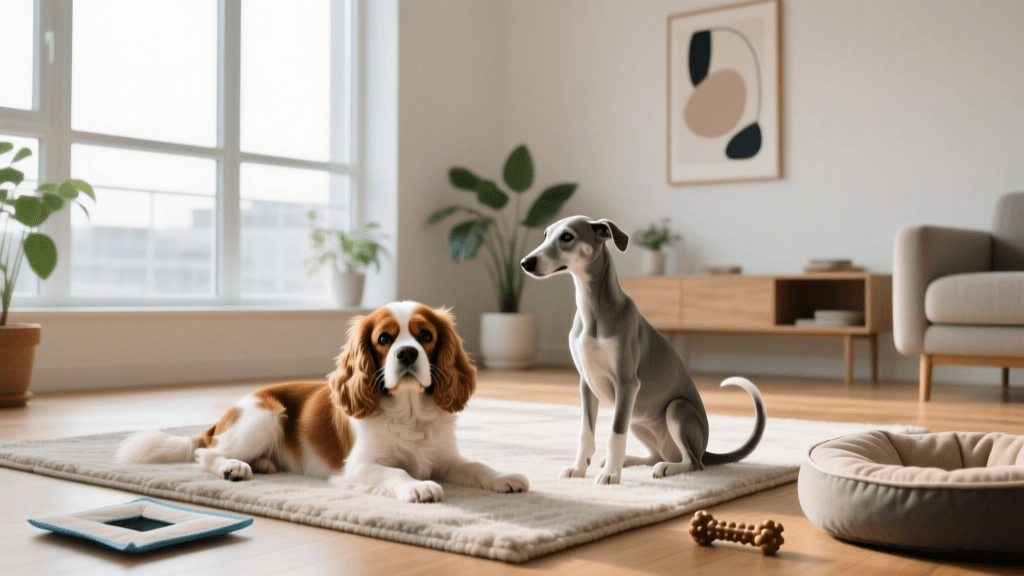
Urban living in 2026 continues to trend upward, with more dog lovers than ever choosing apartment lifestyles. While sharing walls, floors, and ceilings with neighbors presents unique challenges, bringing a puppy into a high-rise doesn't mean you have to sacrifice peace and quiet. For apartment dwellers, selecting a naturally quiet breed and implementing a specialized first-year care routine is the key to a harmonious living situation. This comprehensive guide focuses on raising two of the most notoriously quiet and apartment-friendly breeds: the Cavalier King Charles Spaniel and the Greyhound.
Why Cavaliers and Greyhounds Excel in Apartments
When evaluating puppies for apartment life in 2026, veterinary behaviorists emphasize looking beyond just size. While small dogs are often assumed to be better for apartments, many small terriers are highly vocal and energetic. Conversely, the Cavalier King Charles Spaniel and the Greyhound offer the perfect balance of low vocalization and adaptable energy levels. According to the American Kennel Club's breed profile, Cavaliers are exceptionally affectionate, gentle, and rarely bark without a significant reason. They are content to lounge on the sofa after a moderate daily walk.
Greyhounds, despite their racing heritage, are famously dubbed "45-mph couch potatoes." They sleep up to 18 hours a day and are remarkably quiet indoors. Their short coats and low shedding make them excellent for compact spaces, provided they get one good daily sprint in a secure, enclosed dog park. Raising these specific breeds in an apartment requires a tailored approach to their first-year developmental milestones, particularly regarding potty training and early socialization.
High-Rise Potty Training: A 2026 Approach
The most significant hurdle for apartment puppy owners is the "elevator ride" dilemma. When a three-month-old puppy needs to eliminate at 2:00 AM, waiting for an elevator and walking across a concrete courtyard often results in accidents. To combat this, modern apartment puppy care relies heavily on transitional indoor potty solutions.
Recommended Indoor Potty Setups
In 2026, hydroponic indoor grass patches and smart odor-neutralizing systems are the gold standard for balcony or bathroom setups. Brands like DoggieLawn and Fresh Patch deliver real, soil-free grass to your door weekly, providing a natural texture that transitions easily to outdoor grass later.
- Balcony Grass Patches: Ideal for Greyhounds who need a larger surface area. Ensure your balcony is securely netted or enclosed to prevent any climbing or falling accidents.
- Enzymatic Cleaners: Accidents will happen on hardwood or laminate floors. Use advanced enzymatic cleaners like Nature's Miracle Advanced to completely break down uric acid crystals, preventing the puppy from returning to the same spot.
- Smart Potty Monitors: For indoor litter systems, 2026 models of smart pet cameras can alert your phone when your puppy approaches the potty zone, allowing you to praise them remotely via two-way audio.
Consistency is vital. The ASPCA's housetraining guidelines recommend taking your puppy to their designated potty spot immediately upon waking, after every meal, and after vigorous play sessions. For high-rise dwellers, this means keeping your leash and treat pouch by the door or the balcony at all times.
Managing Puppy Vocalizations and Neighbor Relations
Even the quietest breeds will whine, cry, or howl during their first few months, especially when dealing with separation anxiety or teething pain. In an apartment with thin walls, managing these vocalizations is critical to maintaining good relationships with your neighbors.
Preventing Separation Anxiety Early
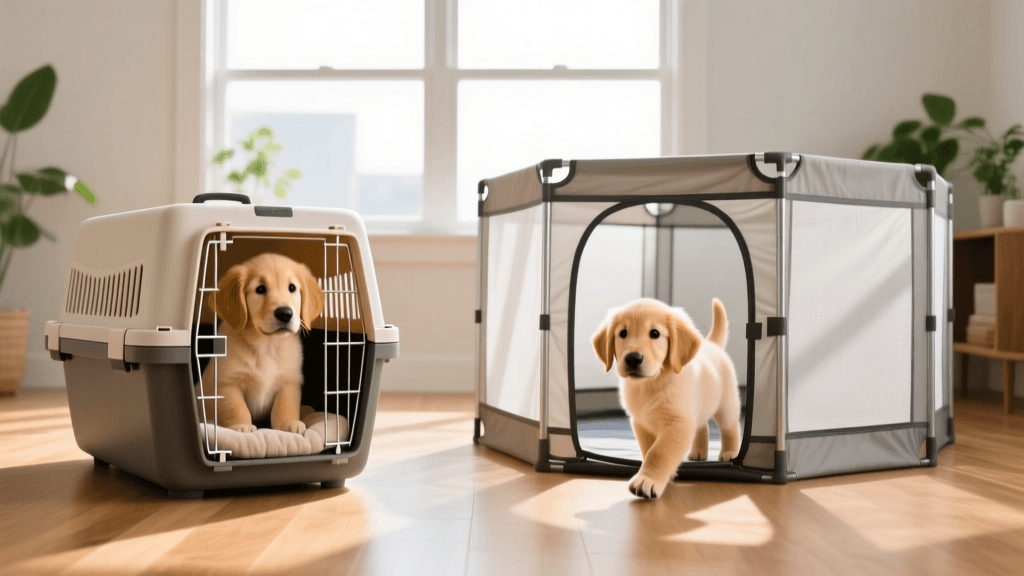
Puppies are pack animals, and being left alone in a quiet apartment can trigger distress. To prevent this, start crate training on day one. Place the crate in your bedroom for the first few weeks so the puppy can hear and smell you. Gradually move the crate to the living room, and then practice leaving the apartment for short intervals—starting at just five minutes and working up to an hour.
If your puppy does experience distress, the Humane Society's separation anxiety resources suggest avoiding emotional departures and arrivals. Keep your comings and goings low-key. Furthermore, utilize sound masking. A high-quality white noise machine, such as the LectroFan, placed near the shared wall or the front door, can effectively muffle puppy whines from reaching your neighbors' ears.
Teething and Quiet Enrichment
Between four and seven months, your Cavalier or Greyhound puppy will teethe. Chewing is a natural pain-relief mechanism, but it can lead to destructive behavior if not directed properly. Provide silent, long-lasting enrichment toys. Freeze a Kong Classic filled with puppy-safe peanut butter and plain yogurt. Licking and chewing on the frozen treat releases endorphins, soothing the puppy and keeping them entirely quiet while you work from home or run errands.
Elevator Etiquette and Shared-Space Socialization
Socializing an apartment puppy in 2026 requires navigating shared spaces like lobbies, hallways, and elevators. Before your puppy has completed their full vaccination series (usually around 16 weeks), they are vulnerable to parvovirus and distemper, which can linger in high-traffic urban areas.
During this critical window, carry your puppy through the building. A structured, breathable canine carrier like the K9 Sport Sack or a well-ventilated PetAmis sling allows you to transport your Greyhound or Cavalier safely. This exposes them to the sights, sounds, and smells of the lobby, the mechanical hum of the elevator, and the diverse array of neighbors, all without their paws touching contaminated ground.
Once fully vaccinated, practice elevator etiquette. Always keep your puppy on a short leash in the elevator. Stand between the puppy and the doors to prevent them from darting out into the hallway. Teach your puppy a solid "sit" and "wait" command before exiting the building, ensuring they don't pull you into the path of oncoming pedestrians or other dogs.
First-Year Development and Nutrition Table
Apartment dogs generally have lower daily caloric expenditure compared to rural dogs with large fenced yards. Overfeeding a Greyhound or Cavalier puppy can lead to rapid, unhealthy growth spurts or early-onset joint issues. Consult your veterinarian to establish a precise feeding schedule based on your puppy's specific metabolic rate and the indoor lifestyle of 2026 apartment living.
Below is a structured milestone chart to help you track your quiet puppy's development during their first year in an apartment setting.
| Age (Months) | Potty Breaks (Daily) | Enrichment & Socialization Focus | Key Apartment Milestone Goal |
|---|---|---|---|
| 2 - 3 | 8 - 10 | Sound desensitization, handling exercises, carrier training. | Mastering the indoor/balcony potty patch and sleeping through the night in the crate. |
| 4 - 5 | 6 - 8 | Teething relief (frozen Kongs), short outdoor leash walks. | Transitioning from indoor potty to outdoor courtyard/street grates; quiet elevator rides. |
| 6 - 8 | 4 - 6 | Puzzle feeders, sniffaris in local parks, meeting calm neighbor dogs. | Reliable outdoor elimination; remaining calm when the doorbell rings or neighbors pass by. |
| 9 - 12 | 3 - 4 | Advanced impulse control, off-peak dog park visits for Greyhounds. | Independent home-staying for 4+ hours without vocalizing; solid loose-leash walking in the city. |
Conclusion
Raising a quiet puppy in an apartment is an incredibly rewarding experience when approached with intention and preparation. By selecting adaptable breeds like the Cavalier King Charles Spaniel or the Greyhound, utilizing modern 2026 indoor potty solutions, and prioritizing low-stress socialization, you can cultivate a peaceful, happy environment. Remember that patience and consistency during this crucial first year will lay the foundation for a lifetime of harmonious urban living with your best friend.
priya-sutaria
All our authors care for dogs every day — read more of their work on the authors page.