2026 Apartment Training Guide For Quiet Dog Breeds
Discover 2026 apartment training protocols for quiet dog breeds. Learn socialization, enrichment, and bark-prevention techniques for close-quarters living.
The Rise of Quiet Breeds in 2026 Urban Living
As urban density reaches new peaks in 2026, apartment dwellers are increasingly gravitating toward quiet dog breeds. With stricter noise ordinances and shared-wall living becoming the norm, breeds like the Greyhound, Basenji, Shiba Inu, and Cavalier King Charles Spaniel have surged in popularity. However, a common and dangerous misconception among new urban pet owners is that a quiet dog requires less training. In reality, training quiet dog breeds for apartment living demands a highly specialized approach focused on internal stress management, environmental desensitization, and proactive socialization.
The Myth of the "Zero-Training" Quiet Dog
Quiet dogs rarely vocalize their stress, which often leads owners to believe their pet is perfectly content when left alone or exposed to triggering stimuli. In an apartment setting, a dog that does not bark at hallway noises or neighboring footsteps might instead internalize that anxiety. This internalized stress frequently manifests as destructive chewing, compulsive licking, or severe separation anxiety. According to the ASPCA's guidelines on separation anxiety, dogs that do not vocalize their distress often resort to destructive behaviors or attempts to escape, making early behavioral conditioning absolutely critical for high-density living.
Breed-Specific Training Profiles for Apartment Dwellers
Not all quiet breeds are quiet for the same reasons. Some are genetically predisposed to low vocalization, while others are simply aloof or stubborn. Understanding these nuances is the first step in creating a successful 2026 apartment training protocol.
| Breed | Why They Are Quiet | Apartment Training Focus | Recommended 2026 Enrichment |
|---|---|---|---|
| Greyhound | Low arousal, couch-potato temperament | Sprint-based physical outlets, sensitivity to corrections | Flirt pole sessions in secure parks, orthopedic mat training |
| Basenji | Vocal cords shaped to yodel, not bark | Impulse control, high prey drive management | Advanced scent work, puzzle feeders like the Outward Hound Brick |
| Shiba Inu | Cat-like independence, stubbornness | Early socialization to prevent fear-based reactivity | Structured urban agility, cooperative handling games |
| Cavalier King Charles Spaniel | Gentle, eager-to-please companion | Separation anxiety prevention, velcro-dog conditioning | Smart camera treat-tossing, independent play mats |
Core Training Protocols for High-Density Environments
Training a quiet breed in an apartment requires shifting the focus from "bark prevention" to "stress prevention." Below are the core protocols recommended by veterinary behaviorists for 2026.
1. Hallway Noise Desensitization
Shared walls and hallways are the primary triggers for apartment dogs. Even if your Basenji or Shiba Inu does not bark at the sound of a neighbor's door slamming, their heart rate may spike. To prevent chronic stress, implement a counter-conditioning protocol. Record common apartment sounds (elevators dinging, heavy footsteps, doors closing) and play them at a low volume while feeding your dog high-value treats like freeze-dried liver. Gradually increase the volume over several weeks. This rewires the dog's brain to associate unpredictable hallway noises with positive outcomes rather than perceived threats.
2. Indoor Enrichment and Scent Work
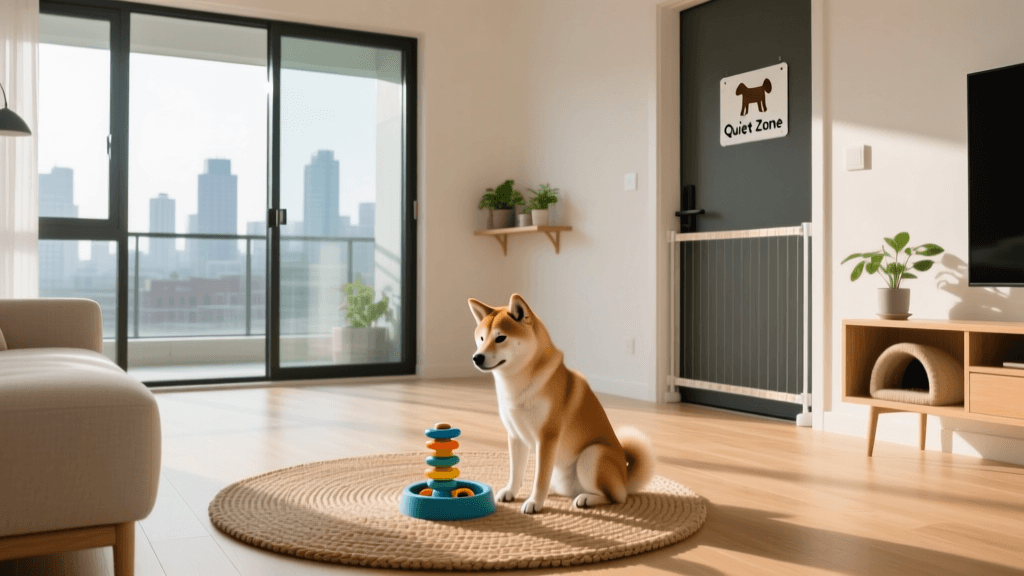
Quiet breeds often possess high intelligence or strong prey drives that require mental exhaustion. In a 700-square-foot apartment, physical exercise is rarely enough. Scent work is a premier training tool for 2026 apartment dwellers. Hide treats inside a snuffle mat or use specialized scent-work kits to teach your dog to identify specific essential oils (like birch or anise) hidden in cardboard boxes around the living room. Fifteen minutes of intense sniffing can tire a dog out as much as a one-mile walk, reducing the likelihood of indoor pacing or destructive chewing.
3. Balcony and Indoor Potty Conditioning
For high-rise apartment dwellers, taking the elevator down 20 stories in the middle of a winter storm is impractical. Training your quiet breed to use an indoor or balcony potty system is a game-changer. Start by placing a real-grass delivery patch (such as DoggieLawn or Fresh Patch) in a consistent corner. Use a specific verbal cue like "go potty" and reward heavily with a jackpot of treats the moment they finish. Because quiet dogs can be stubborn about changing their habits, patience and consistency are paramount. Never scold a dog for missing the pad; simply clean the area with an enzymatic cleaner to remove the pheromones and reset the training loop.
Managing Separation Anxiety in "Velcro" Breeds
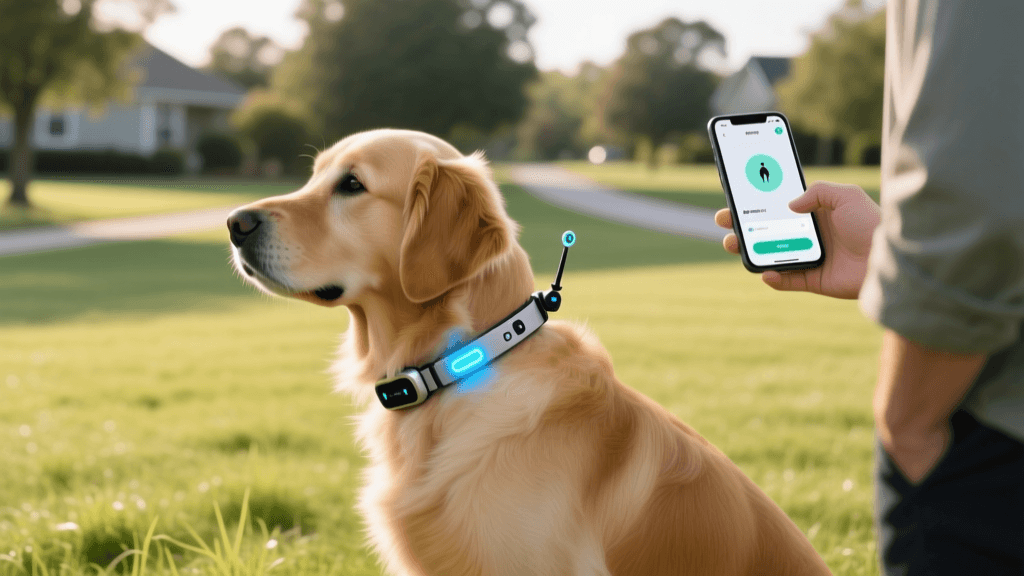
Breeds like the Cavalier King Charles Spaniel are notorious for forming intense bonds with their owners. In an apartment, their silence can mask severe distress when you leave for work. To combat this, utilize 2026 smart pet technology combined with behavioral conditioning. Devices like the Furbo 360 Pro or Petcube Bites allow you to monitor your dog's body language and toss treats remotely. However, technology should supplement, not replace, training. Practice "micro-departures"—stepping out of your apartment door for literally three seconds, then returning, gradually building up to 10 minutes, then an hour. This teaches the dog that your departure is temporary and uneventful.
Socialization in Shared Spaces
A quiet dog is not necessarily a confident dog. Shiba Inus and Greyhounds can be aloof or easily overwhelmed by the chaotic energy of urban dog parks and crowded apartment lobbies. The American Kennel Club's training resources emphasize that socialization is not about forcing your dog to interact with every person or dog they see; it is about teaching them to remain neutral and calm in the presence of novel stimuli. Practice "look at that" training in your building's lobby. When a neighbor walks by, mark the behavior with a clicker or a "yes" and reward your dog for offering you eye contact instead of staring or freezing. This builds a confident, neutral apartment dog who ignores distractions rather than fearing them.
Final Thoughts on 2026 Apartment Dog Training
Choosing a quiet dog breed for apartment living is an excellent decision for maintaining harmony with your neighbors, but it comes with a unique set of training responsibilities. By focusing on environmental desensitization, rigorous mental enrichment, and proactive separation anxiety protocols, you can ensure your dog thrives in a high-density environment. Remember, as noted by the Humane Society of the United States, positive reinforcement and patience remain the gold standard for behavioral conditioning. A quiet dog is a joy to live with, provided their silent needs are loudly heard and properly addressed through modern, science-based training methods.
priya-sutaria
All our authors care for dogs every day — read more of their work on the authors page.