Top 5 Quiet Apartment Dog Breeds for Small Spaces in 2026
Discover the top 5 quiet dog breeds perfect for apartment living in 2026. Learn about low-bark traits, space needs, and WFH compatibility for small homes.
The Rise of the WFH Apartment Dog in 2026
Urban living in 2026 presents a unique set of challenges and opportunities for dog owners. With the average square footage of new apartment builds in major metropolitan areas continuing to shrink, and work-from-home (WFH) policies remaining a permanent fixture for millions of professionals, the demand for quiet, adaptable dog breeds has never been higher. Noise ordinances in modern luxury apartments and converted multi-family homes are strictly enforced, meaning a vocal hound or a high-alert terrier can quickly lead to neighbor complaints and strained leasing agreements.
However, sharing a small space with a canine companion is entirely possible—and deeply rewarding—if you choose the right breed. The key to apartment success lies in selecting dogs that naturally possess low-bark tendencies, moderate indoor energy levels, and a high tolerance for close-quarters living. Below, we explore the top five quiet dog breeds that are perfectly suited for apartment living in 2026, complete with modern care tips, enrichment strategies, and health considerations.
Top 5 Quiet Dog Breeds for Apartment Living
1. Basenji: The Barkless Wonder
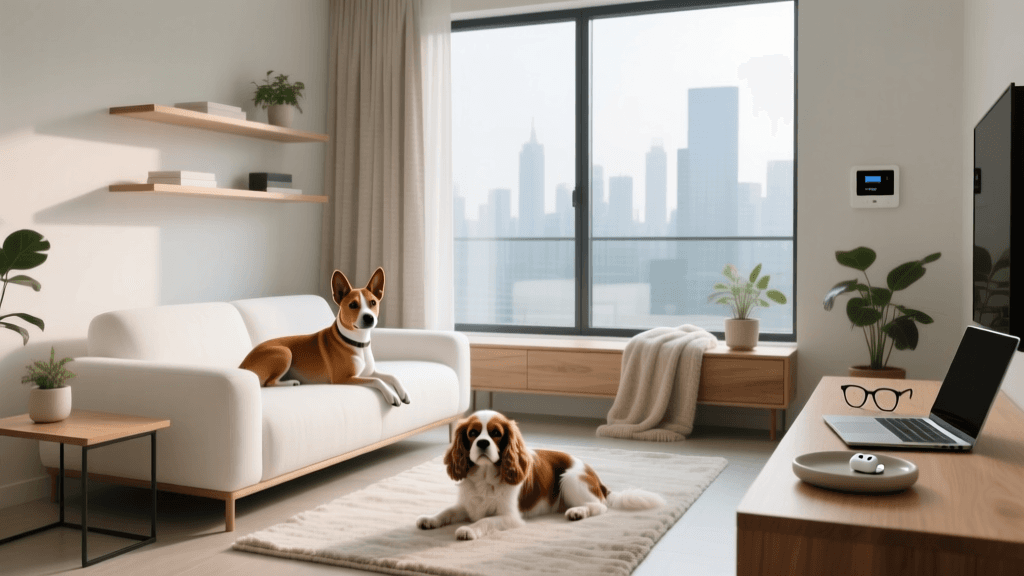
Famously known as the 'barkless dog,' the Basenji is a top-tier choice for apartment dwellers who share thin walls with neighbors. As noted by the American Kennel Club, the Basenji's uniquely shaped larynx prevents it from producing a traditional bark. Instead, they communicate through a distinctive yodel, known as a 'baroo,' which they only use when exceptionally excited or distressed. In a quiet apartment setting, this means your daily life will be remarkably peaceful.
Apartment Suitability: Basenjis are fastidiously clean, often grooming themselves like cats, which makes them excellent for small spaces where odors can linger. However, they are sighthounds with high prey drive and immense physical energy. While they are quiet indoors, they require rigorous daily exercise. A 2026 urban dog-walking routine for a Basenji should include at least 45 minutes of brisk walking or a visit to a secure, fenced-in dog run to burn off their physical energy so they can relax on the couch for the rest of the day.
2. Cavalier King Charles Spaniel: The Gentle Lapdog
If your ideal WFH day involves typing on your laptop with a dog sleeping soundly on your feet, the Cavalier King Charles Spaniel is your perfect match. The Cavalier King Charles Spaniel is renowned for its gentle, affectionate, and exceptionally quiet disposition. They rarely bark at the doorbell or passing footsteps in the hallway, making them ideal for high-traffic apartment buildings.
Apartment Suitability: Cavaliers are highly adaptable and do not require a backyard. A couple of 20-minute neighborhood walks and some indoor fetch are usually sufficient to keep them happy. 2026 Health Note: Cavaliers are predisposed to mitral valve disease (MVD). When adopting or purchasing in 2026, it is critical to demand comprehensive cardiac screening and DNA testing from breeders, as modern veterinary protocols now strongly mandate early echocardiograms to ensure the longevity of the breed.
3. Japanese Chin: The Aristocratic Companion
Bred specifically to be companions to royalty in ancient Asia, the Japanese Chin is a masterclass in quiet dignity. According to the AKC's Japanese Chin breed profile, these dogs are alert but remarkably quiet, preferring to observe their surroundings from a comfortable cushion rather than vocalizing at every new stimulus. They are deeply attuned to their owner's emotions and will happily mirror your energy levels.
Apartment Suitability: The Japanese Chin is incredibly low-maintenance regarding exercise. A short daily stroll is plenty. Their small size (usually under 11 pounds) makes them perfect for studio apartments. Their luxurious, silky coat requires surprisingly little grooming compared to other long-haired breeds; a quick brushing twice a week prevents mats and keeps your apartment free of excessive shedding.
4. Italian Greyhound: The Sleek Sofa Companion
Often described as a 'small dog in a big dog's body,' the Italian Greyhound (IG) is a sleek, elegant, and profoundly quiet breed. They are notoriously sensitive to loud noises and chaotic environments, making a calm, quiet apartment their ideal sanctuary. IGs are notorious 'Velcro dogs' that will burrow under your blankets and stay there for hours.
Apartment Suitability: Because they have very little body fat and a short coat, Italian Greyhounds are indoor dogs by necessity, especially during the colder months. In 2026, the market for high-end, heated dog beds and custom-fitted apartment wear (like thermal sweaters and indoor booties) has expanded, making it easier than ever to keep your IG comfortable on drafty apartment floors. They do need short, vigorous sprints in a secure area, but indoors, they are essentially living statues.
5. Shiba Inu: The Clean and Quiet Independent
The Shiba Inu is a robust, fox-like dog that is famously clean and quiet. They are known to be aloof with strangers and highly independent, which translates to a dog that does not suffer from the typical 'alert barking' that plagues many small apartment breeds. A Shiba will usually watch a delivery driver walk down the hall without making a single sound.
Apartment Suitability: Shibas are medium-sized but possess a compact, efficient build that fits well in apartments. They are notoriously easy to potty train, often refusing to go indoors from a very young age. The main challenge with a Shiba Inu in an apartment is their famous 'Shiba Scream'—a high-pitched vocalization they only produce when highly distressed or unhappy (such as during a nail trim or a vet visit). With proper socialization and positive reinforcement training, this can be managed effectively.
Breed Comparison Chart for Small Spaces
To help you decide which quiet breed best fits your specific apartment lifestyle, review the comparison chart below:
| Breed | Avg Weight | Bark Level | Daily Exercise Needs | WFH Compatibility |
|---|---|---|---|---|
| Basenji | 22-24 lbs | Very Low (Yodels) | High (45-60 mins) | Moderate (Needs midday run) |
| Cavalier King Charles | 12-18 lbs | Low | Low-Moderate (30 mins) | Excellent (Loves laps) |
| Japanese Chin | 7-11 lbs | Very Low | Low (20 mins) | Excellent (Quiet observer) |
| Italian Greyhound | 7-14 lbs | Low | Moderate (30 mins) | Excellent (Burrows in blankets) |
| Shiba Inu | 17-23 lbs | Low | Moderate (40 mins) | Good (Independent lounger) |
Modern Apartment Enrichment & Tech for 2026
Living in an apartment means your dog's world is largely confined to four walls. To prevent boredom—which can lead to destructive chewing or unexpected vocalizations—you must leverage modern enrichment strategies.
- Smart Pet Monitors: Devices like the 2026 Furbo 360 Pro allow you to monitor your dog's noise levels while you are at the office or out running errands. If your quiet dog begins to whine or pace, the app sends an alert, allowing you to use the two-way audio to soothe them or toss a treat to redirect their attention.
- Automated Puzzle Feeders: Ditch the standard food bowl. Modern smart puzzle feeders can be programmed via smartphone to dispense kibble at random intervals throughout the day, keeping your dog's mind engaged and mimicking the foraging behavior they would exhibit in the wild.
- Indoor Potty Solutions: For high-rise dwellers, taking the elevator down 20 floors in the middle of a winter storm is a hassle. Subscription-based real grass patches (like DoggieLawn) or advanced UV-sanitizing indoor potty systems are highly recommended for small breeds like the Japanese Chin and Italian Greyhound.
The Silent Struggle: Watch for Separation Anxiety
One critical danger of owning a 'quiet' apartment dog is that they often suffer in silence. Breeds like the Cavalier King Charles Spaniel and the Italian Greyhound are deeply bonded to their humans. When left alone, they may not bark or howl, meaning neighbors will never complain, and you might assume they are doing fine. In reality, they could be experiencing severe separation anxiety, manifesting as excessive licking, pacing, or loss of appetite.
In 2026, veterinary behaviorists strongly recommend using smart biometric collars (such as the latest Fi or Whistle models) to track your dog's resting heart rate and sleep quality while you are away. If your dog is pacing instead of sleeping, or if their stress markers are elevated, it is time to consult a certified separation anxiety trainer (CSAT) and implement a structured desensitization protocol. Remember, a quiet dog is a happy dog only if their mental and emotional needs are being met.
Conclusion
Sharing an apartment with a dog in 2026 is a wonderful experience, provided you select a breed that aligns with your spatial limitations and lifestyle. By choosing naturally quiet breeds like the Basenji, Cavalier King Charles Spaniel, Japanese Chin, Italian Greyhound, or Shiba Inu, you can maintain a peaceful home environment, keep your neighbors happy, and provide a loving sanctuary for your canine best friend. Pair your quiet companion with modern enrichment technology and proactive health monitoring, and your small-space living situation will feel like a massive upgrade for both you and your dog.
aaron-whyte
All our authors care for dogs every day — read more of their work on the authors page.