Best Quiet Puppy Breeds for Apartments: 2026 Guide
Discover the best quiet puppy breeds for apartments in 2026. Learn essential first-year care, potty training, and socialization tips for city living.
Navigating Urban Puppy Rearing in 2026
As urban living continues to evolve in 2026, apartment dwellers face increasingly strict noise ordinances and shared-space etiquette rules. Raising a puppy in a high-rise or multi-family dwelling presents unique challenges, particularly when it comes to managing barking, potty breaks, and early socialization. However, with the right breed selection and a structured first-year care plan, city living with a puppy can be a seamless and joyful experience. This comprehensive guide explores the best quiet puppy breeds for apartments and provides actionable milestones for their first year of life, ensuring your new companion thrives in a compact urban environment.
According to the American Kennel Club (AKC), selecting a breed with a naturally low vocalization drive is the first step toward harmonious apartment living. In 2026, with smart home devices like automated vacuums and digital intercoms being standard in most modern apartments, a puppy that is easily startled into barking can cause significant stress for both you and your neighbors. Let us explore the top breeds that naturally excel in quiet, compact spaces.
Top Quiet Puppy Breeds for City Dwellers
When evaluating puppies for apartment life, we must look beyond just adult size. Energy levels, vocalization tendencies, and adaptability to indoor living are critical factors. Here are the top four quiet breeds that are dominating the urban pet scene in 2026.
1. Cavalier King Charles Spaniel
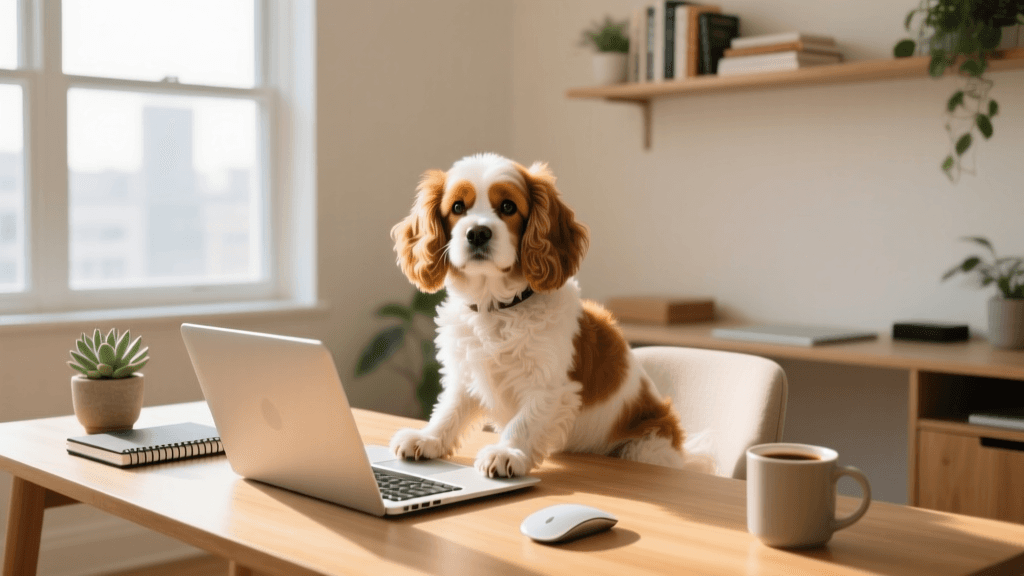
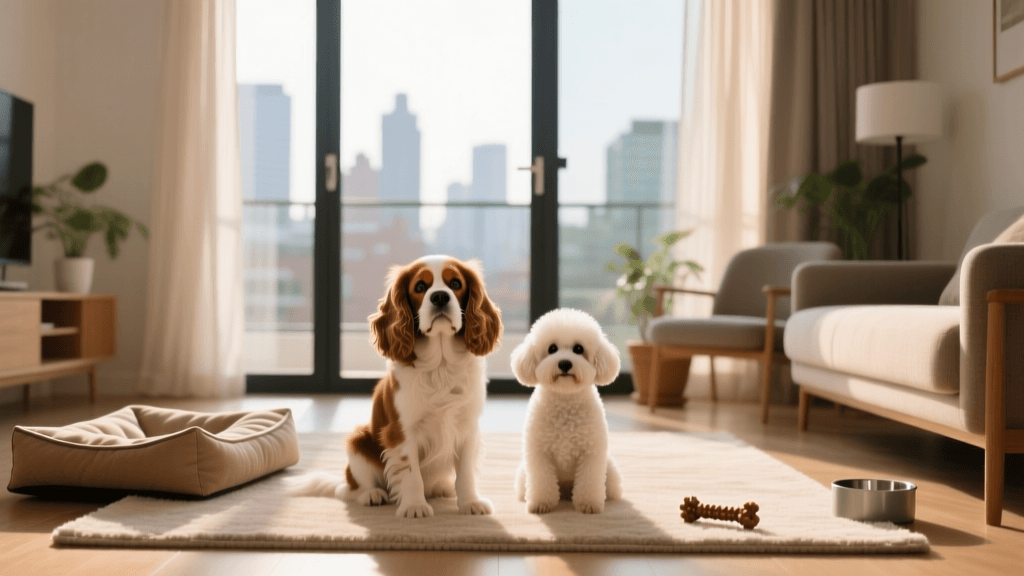
The Cavalier King Charles Spaniel is widely considered the ultimate apartment companion. Known for their gentle, affectionate nature, these puppies are remarkably quiet and rarely bark without a profound reason. During their first year, Cavaliers require moderate mental stimulation but are perfectly content lounging on a sofa. Their adaptable nature makes them highly resilient to the ambient noises of city living, such as sirens or hallway footsteps. They are eager to please, which makes early obedience training in confined spaces highly effective.
2. Bichon Frise
While Bichon Frises are cheerful and playful, they are surprisingly quiet when properly trained and exercised. Their hypoallergenic coats are a massive advantage in apartments with forced-air heating and cooling systems that circulate dander. A Bichon puppy in 2026 will benefit greatly from indoor puzzle toys to burn off mental energy on days when outdoor walks are limited by harsh weather. They are highly attuned to their owner's emotions and thrive on the close physical proximity that apartment living naturally provides.
3. Japanese Chin
The Japanese Chin is a historic lap dog that exhibits almost feline behaviors. They are notoriously quiet, often choosing to observe their surroundings from a high vantage point rather than vocalizing. For busy urban professionals, the Chin is an excellent choice because their exercise requirements are minimal. A brief walk around the block and some indoor play are sufficient to keep a Chin puppy happy and healthy during their critical developmental months.
4. Italian Greyhound
Italian Greyhounds are sleek, sensitive, and incredibly quiet. As sight hounds, they are more likely to stare intently at a pigeon on the balcony than bark at it. However, they are sensitive to cold, so apartment dwellers in northern climates must invest in high-quality puppy sweaters for winter potty breaks. They are deeply bonded to their owners and can develop separation anxiety if left alone for long hours, making them ideal for remote workers in 2026.
Breed Comparison Chart
| Breed | Avg Adult Weight | Bark Frequency | Energy Level | Space Needed |
|---|---|---|---|---|
| Cavalier King Charles Spaniel | 12-18 lbs | Low | Moderate | Low |
| Bichon Frise | 12-18 lbs | Low to Moderate | Moderate | Low |
| Japanese Chin | 7-11 lbs | Very Low | Low | Very Low |
| Italian Greyhound | 7-14 lbs | Very Low | Moderate (Bursts) | Low |
High-Rise Potty Training: A First-Year Timeline
Potty training in a high-rise building requires a completely different strategy than training in a suburban home with a fenced yard. The Humane Society of the United States emphasizes the importance of consistency and positive reinforcement, but apartment dwellers must also factor in elevator wait times and shared hallways.
Months 1 to 3: The Balcony and Pad Phase
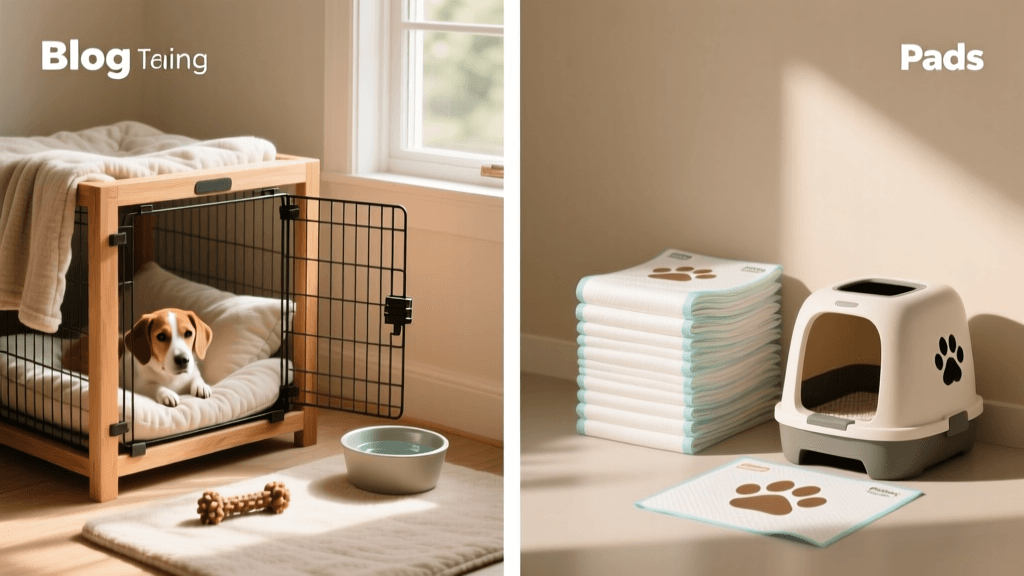
Before your puppy has completed their full vaccination series, navigating public sidewalks and shared building grass patches poses a severe health risk. During this phase, utilize a designated indoor potty area. In 2026, real grass delivery services like DoggieLawn or smart self-cleaning indoor potties are highly recommended for apartment balconies or spare bathrooms. Establish a strict schedule: take the puppy to the pad or grass patch immediately upon waking, after every meal, and after play sessions. Reward heavily with high-value treats like freeze-dried liver.
Months 4 to 6: The Elevator Descent
Once cleared by your veterinarian, transition to outdoor potty breaks. The biggest hurdle for apartment puppies is the 'elevator bladder.' A puppy cannot hold it while waiting for the elevator, riding down, and walking outside. Teach your puppy a specific 'hurry' cue. Carry your puppy through the lobby to prevent accidents on shared carpets and to avoid overwhelming them with foot traffic. As their bladder control improves, you can transition to walking them on a leash through the building.
Months 7 to 12: Mastering the Schedule
By the second half of their first year, your puppy should be able to hold their bladder for 4 to 6 hours. Establish a rigid morning and evening walking route that avoids high-traffic dog areas to minimize stress. Always carry enzymatic cleaner wipes in your pocket for quick cleanup of any unexpected accidents in the lobby or hallway.
Early Socialization Without the Noise
The critical socialization window occurs between 8 and 16 weeks of age. The ASPCA notes that proper socialization prevents fear-based behaviors, which often manifest as reactive barking. In an apartment, your puppy will be exposed to a unique set of stimuli: the hum of the HVAC system, the ding of the elevator, the sound of rolling suitcases, and close encounters with strangers in narrow corridors.
To socialize an apartment puppy effectively, practice 'elevator desensitization.' Ride the elevator up and down without exiting, rewarding your puppy for remaining calm and seated. Invite a few quiet, dog-savvy friends over to your apartment to help your puppy learn that guests entering their territory is a positive, calm event. Avoid crowded dog parks during the first year; instead, arrange one-on-one playdates with fully vaccinated, calm adult dogs to teach your puppy appropriate, quiet play manners.
Teething and Bite Inhibition in Close Quarters
Between 3 and 6 months of age, puppies lose their baby teeth and experience significant gum discomfort. In an apartment with thin walls, a whining, teething puppy can lead to noise complaints. Providing appropriate, quiet chewing outlets is essential.
Avoid hard nylon bones or rigid plastic toys that create loud clicking and clacking sounds against hardwood or tile floors. Instead, opt for silent, durable chew toys. The classic rubber Kong, stuffed with plain pumpkin puree and frozen overnight, provides hours of silent, soothing relief for inflamed gums. West Paw's Zogoflex line is another excellent choice for 2026, offering soft yet durable textures that absorb sound. Furthermore, practice bite inhibition early. If your puppy nips your hands during play, emit a soft, high-pitched yelp and withdraw attention for ten seconds. This mimics sibling behavior and teaches them to control their jaw pressure without needing to vocalize aggressively.
First-Year Feeding Schedules for Small Breeds
Most quiet apartment breeds are small to medium in size, meaning they have faster metabolisms and smaller stomach capacities. During the first six months, feed your puppy three to four small, measured meals a day to prevent hypoglycemia, a common risk in tiny breeds like the Japanese Chin. Use a high-quality, AAFCO-approved small-breed puppy formula that supports joint health and cognitive development.
As your puppy approaches their first birthday, transition gradually to a high-quality adult maintenance diet, reducing feedings to twice a day. In small apartments, free-feeding is highly discouraged as it can lead to rapid weight gain, which puts unnecessary strain on the joints of small breeds and makes indoor lethargy worse. Use interactive slow feeders to make mealtime mentally stimulating, turning a daily routine into a quiet, engaging puzzle that tires your puppy out without requiring them to run laps around your living room.
Conclusion
Raising a quiet puppy in an apartment in 2026 is entirely achievable with the right breed, a proactive potty training strategy, and dedicated desensitization to urban noises. By understanding the unique developmental milestones of your puppy's first year and utilizing modern, space-saving pet care tools, you can cultivate a peaceful, loving environment that respects both your lifestyle and your neighbors.
marcus-aldridge
All our authors care for dogs every day — read more of their work on the authors page.