Best Green-Lipped Mussel Dog Joint Supplements 2026
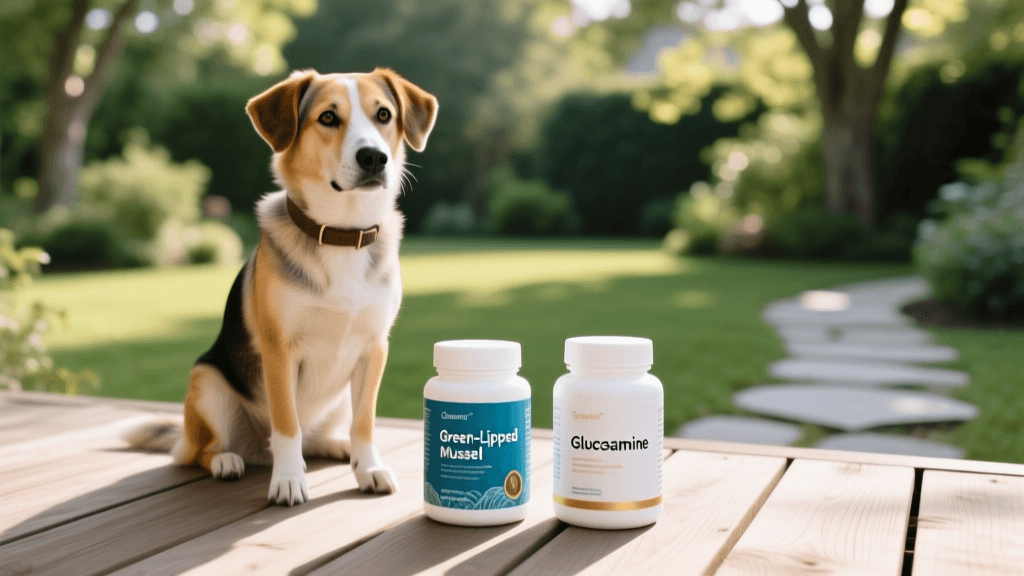
Compare green-lipped mussel and glucosamine for dog joint health in 2026. Discover dosages, benefits, and top veterinary picks for osteoarthritis.
The Evolution of Canine Joint Care in 2026
As we navigate the veterinary landscape of 2026, the management of canine osteoarthritis (OA) has undergone a significant paradigm shift. Osteoarthritis remains one of the most prevalent chronic conditions in aging dogs, affecting mobility, mood, and overall quality of life. For decades, glucosamine hydrochloride and chondroitin sulfate were the undisputed gold standards for joint supplementation. However, recent advancements in marine biology and veterinary nutrition have elevated the New Zealand green-lipped mussel (Perna canaliculus) to the forefront of the joint health conversation.
Pet owners and veterinary orthopedic specialists are increasingly questioning the traditional reliance on synthetic or plant-derived glucosamine. Instead, they are turning to whole-food marine alternatives that offer a broader spectrum of bioactive compounds. According to the American College of Veterinary Surgeons, a multimodal approach to osteoarthritis is essential, and selecting the right nutritional supplement is a cornerstone of that strategy. This comprehensive guide compares the biochemical efficacy, bioavailability, and practical application of green-lipped mussel extract versus traditional glucosamine for your dog's joint health.
Glucosamine: The Traditional Chondroprotective Agent
Glucosamine is an amino sugar naturally produced in the body and found abundantly in the fluid around joints. As a supplement, it is typically derived from the shells of shellfish or synthesized in a laboratory. Its primary mechanism of action is to serve as a precursor for the synthesis of glycosaminoglycans (GAGs) and proteoglycans, which are the fundamental building blocks of cartilage matrix.
When administered consistently, glucosamine helps to slow the degradation of articular cartilage and stimulates the production of synovial fluid, thereby improving joint lubrication. Throughout the early 2020s, glucosamine was the default recommendation for senior dogs showing early signs of stiffness. However, its clinical efficacy has been a subject of ongoing debate. While many dogs experience mild to moderate relief, the molecule's relatively low oral bioavailability means that a significant portion of the active ingredient is metabolized by the liver before it ever reaches the joint capsule.
Furthermore, traditional glucosamine supplements primarily target the structural integrity of the cartilage but do very little to address the underlying inflammatory cascade that drives the pain of osteoarthritis. This limitation has driven the 2026 market toward supplements that offer dual-action benefits: structural support combined with potent anti-inflammatory properties.
Green-Lipped Mussel: The Marine Anti-Inflammatory Powerhouse
The New Zealand green-lipped mussel is not just a source of glucosamine; it is a complex, whole-food matrix rich in Omega-3 fatty acids, amino acids, minerals, and unique glycosaminoglycans. What truly sets the green-lipped mussel apart from standard fish oils or isolated joint supplements is its high concentration of eicosatetraenoic acid (ETA).
ETA is a rare Omega-3 fatty acid that acts as a potent inhibitor of the lipoxygenase (LOX) and cyclooxygenase (COX) pathways. These are the exact enzymatic pathways that non-steroidal anti-inflammatory drugs (NSAIDs) target to reduce pain and swelling. By naturally modulating these pathways, ETA provides profound anti-inflammatory relief without the gastrointestinal or renal side effects commonly associated with long-term NSAID use.
The Cornell University College of Veterinary Medicine notes that managing the inflammatory component of OA is just as critical as preserving cartilage. Because green-lipped mussel extract naturally contains both the building blocks for cartilage repair (chondroitin sulfate and glucosamine) and the ETA required to halt inflammatory joint destruction, it is increasingly viewed as a superior, all-in-one joint supplement for 2026.
Head-to-Head Comparison: Glucosamine vs. Green-Lipped Mussel
| Feature | Traditional Glucosamine HCl | Green-Lipped Mussel Extract |
|---|---|---|
| Primary Mechanism | Cartilage precursor (GAG synthesis) | Anti-inflammatory (ETA) + Cartilage support |
| Omega-3 Content | None | High (EPA, DHA, and rare ETA) |
| Onset of Action | 4 to 8 weeks | 2 to 4 weeks (due to lipid pathways) |
| Gastrointestinal Tolerance | Moderate (can cause upset in high doses) | High (generally very well tolerated) |
| Pill Burden | High (requires large daily doses) | Low (concentrated lipid extracts) |
Bioavailability and 2026 Formulation Advances
One of the most significant advancements in 2026 is the refinement of extraction methods for marine supplements. Historically, green-lipped mussel supplements were sold as freeze-dried powders. While effective, the lipid profile (where the ETA resides) is highly susceptible to oxidation when exposed to heat and air during the freeze-drying process.
Today, leading veterinary brands utilize advanced supercritical CO2 extraction to isolate the lipid-rich fraction of the mussel. This ensures that the delicate Omega-3s and ETA remain completely stable and highly bioavailable. When comparing a stabilized lipid extract of green-lipped mussel to a standard glucosamine powder, the lipid extract demonstrates vastly superior cellular absorption. The fatty acids integrate directly into the synovial membrane and cell walls, providing targeted relief exactly where the inflammation is occurring.
Breed-Specific Dosing Guidelines
Dosing joint supplements accurately is vital for achieving therapeutic results. Under-dosing is a common reason pet owners report that a supplement 'didn't work.' Below are the general 2026 veterinary guidelines for therapeutic loading doses of stabilized green-lipped mussel lipid extract versus standard glucosamine:
- Toy & Small Breeds (Under 20 lbs): 15mg/kg of green-lipped mussel lipid extract daily, compared to 250-500mg of glucosamine HCl.
- Medium Breeds (20-50 lbs): 10mg/kg of green-lipped mussel lipid extract daily, compared to 500-1000mg of glucosamine HCl.
- Large Breeds (50-90 lbs): 8mg/kg of green-lipped mussel lipid extract daily, compared to 1000-1500mg of glucosamine HCl.
- Giant Breeds (Over 90 lbs): 6mg/kg of green-lipped mussel lipid extract daily, compared to 1500-2000mg of glucosamine HCl.
Note: Always begin with a 'loading dose' (double the standard maintenance dose) for the first 3 to 4 weeks to rapidly saturate the tissues with anti-inflammatory compounds, then taper down to the maintenance level.
What Veterinary Orthopedic Specialists Recommend
In 2026, board-certified veterinary surgeons and rehabilitation therapists are moving away from single-ingredient joint supplements. The consensus is that osteoarthritis is a complex, whole-joint disease that involves the cartilage, subchondral bone, synovial membrane, and surrounding musculature. Because glucosamine only addresses the cartilage matrix, it is no longer considered sufficient as a standalone therapy for moderate to severe OA.
Specialists now heavily favor whole-food matrices like the green-lipped mussel, often combining them with undenatured type II collagen (UC-II) and curcumin. The ETA found in the mussel works synergistically with UC-II to modulate the immune system's response to exposed collagen in damaged joints, effectively halting the autoimmune-like destruction of the joint capsule.
Sustainability and Sourcing in 2026
As the demand for marine-based pet supplements has skyrocketed, environmental sustainability has become a primary concern for eco-conscious pet owners. The New Zealand green-lipped mussel industry in 2026 operates under some of the strictest environmental regulations in the world. Farmed on longlines in the pristine, nutrient-rich waters of the Marlborough Sounds, these mussels require no external feed, antibiotics, or fertilizers. They are filter feeders that actually improve water quality by removing excess nitrogen and phytoplankton. When selecting a supplement, always look for brands that explicitly state their mussels are sourced from certified sustainable New Zealand aquaculture facilities.
Combining Modalities for Comprehensive Relief
While the green-lipped mussel represents a massive leap forward in nutritional joint support, it is not a magic bullet. The most successful joint health protocols in 2026 combine high-quality supplementation with daily low-impact exercise (such as hydrotherapy or controlled leash walks), weight management, and orthopedic bedding. Keeping your dog at a lean body condition score remains the single most effective way to reduce mechanical stress on deteriorating joints.
Ultimately, while traditional glucosamine played a vital role in the history of veterinary medicine, the comprehensive, dual-action profile of the New Zealand green-lipped mussel makes it the superior choice for modern canine osteoarthritis management. By addressing both the structural degradation and the underlying inflammatory pain, green-lipped mussel supplements offer our aging companions a better chance at a vibrant, active, and pain-free life.
anouk-beaumont
All our authors care for dogs every day — read more of their work on the authors page.