Holistic Dog Allergy Relief: Quercetin and Probiotics Guide 2026
Discover the 2026 holistic guide to canine allergy relief using quercetin and targeted probiotics to support the gut-skin axis and reduce itching naturally.
The Rise of Canine Allergies and the Holistic Shift
As we navigate the veterinary landscape of 2026, environmental and food-related allergies in dogs have reached unprecedented levels. From chronic paw licking and recurrent ear infections to severe seasonal hot spots, allergic dermatitis remains one of the most common reasons pet parents visit the clinic. While traditional pharmaceutical interventions like Apoquel and Cytopoint offer rapid relief, a growing movement of dog owners and integrative veterinarians are turning toward natural and holistic approaches for long-term management. The goal of holistic allergy care is not merely to suppress the immune response, but to modulate it, reduce systemic inflammation, and restore the body's natural barriers.
At the forefront of this 2026 holistic revolution are two powerhouse interventions: Quercetin (often dubbed 'nature's antihistamine') and targeted probiotic therapy. By addressing both the immediate histamine response and the underlying gut-skin axis, pet parents can build a comprehensive, non-toxic protocol to keep their dogs comfortable year-round. According to the American Kennel Club (AKC), understanding the root cause of your dog's allergic response is the first step toward effective management, and integrating natural supplements is becoming a standard recommendation for mild to moderate cases.
Quercetin: Nature’s Mast Cell Stabilizer
How Quercetin Works in the Canine Body
Quercetin is a naturally occurring bioflavonoid found in high concentrations in apples, berries, broccoli, and leafy greens. In the context of canine allergies, quercetin acts as a potent mast cell stabilizer. When a dog encounters an allergen (such as tree pollen or dust mites), their immune system overreacts, causing mast cells to rupture and release histamine. Histamine is the chemical responsible for the swelling, redness, and intense itching associated with allergic reactions.
Rather than blocking histamine receptors after the fact—which is how traditional antihistamines like Benadryl or Zyrtec work—quercetin prevents the mast cells from releasing histamine in the first place. Furthermore, the National Center for Biotechnology Information (NCBI) notes that quercetin possesses strong anti-inflammatory and antioxidant properties, inhibiting enzymes like lipoxygenase and cyclooxygenase that drive inflammatory pathways. This dual-action makes it an exceptional foundational supplement for allergic dogs.
The 2026 Standard: Liposomal Delivery and Bioavailability
Historically, the main drawback of quercetin supplementation was its poor bioavailability; standard quercetin powders are rapidly metabolized and excreted before they can reach therapeutic levels in the bloodstream. However, 2026 has seen a massive leap in supplement technology with the widespread availability of liposomal quercetin for pets. By encapsulating the quercetin molecules in a lipid (fat) bilayer, liposomal delivery protects the nutrient from stomach acid and allows it to be absorbed directly through the intestinal wall. This increases cellular uptake by up to 300% compared to standard powders.
When shopping for a holistic quercetin supplement in 2026, look for products that combine quercetin with bromelain, an enzyme derived from pineapple stems. Bromelain not only enhances the absorption of quercetin but also provides its own anti-inflammatory benefits, specifically reducing swelling in the nasal passages and skin tissues.
Holistic Quercetin Dosage Guidelines
While you should always consult with your holistic veterinarian before starting a new regimen, general 2026 dosage guidelines for standard (non-liposomal) quercetin are approximately 50mg to 100mg per 20 pounds of body weight, given twice daily. If using a liposomal liquid formula, follow the manufacturer's specific dosing chart, as the concentration is significantly higher.
The Gut-Skin Axis: Probiotics for Allergic Dogs
You cannot effectively treat the skin without treating the gut. The 'gut-skin axis' is a well-documented biological relationship where the health of the gastrointestinal microbiome directly dictates the inflammatory state of the skin. Roughly 70% to 80% of a dog's immune system resides in the gut-associated lymphoid tissue (GALT). When a dog suffers from dysbiosis (an imbalance of gut bacteria), the intestinal lining becomes permeable—often referred to as 'leaky gut.' This allows undigested food particles and environmental toxins to enter the bloodstream, triggering systemic IgE allergic responses.
Key Strains for 2026: Lactobacillus and Bifidobacterium
Not all probiotics are created equal. For canine allergy relief, broad-spectrum probiotics are less effective than targeted, clinically studied strains. In 2026, integrative veterinarians heavily recommend the following specific strains for allergic dogs:
- Lactobacillus rhamnosus (LGG): Extensively studied for its ability to modulate the immune system and reduce the severity of atopic dermatitis. It helps down-regulate the overactive Th2 immune response that drives allergies.
- Bifidobacterium animalis (AHC7): Crucial for maintaining the integrity of the gut mucosal barrier, preventing the 'leaky gut' phenomenon that exacerbates food and environmental sensitivities.
- Lactobacillus acidophilus: Works synergistically to crowd out pathogenic bacteria and yeast (like Malassezia), which frequently overgrow on the skin of allergic dogs.
For therapeutic allergy management, aim for a multi-strain probiotic providing between 5 billion and 10 billion CFUs (Colony Forming Units) per day. Ensure the product is enteric-coated or requires refrigeration to guarantee the bacteria survive the journey through the dog's highly acidic stomach.
Comparing Holistic Allergy Interventions
To build a comprehensive protocol, it is helpful to understand how different natural modalities work together. Below is a comparison chart of the top holistic allergy interventions utilized in 2026.
| Intervention | Mechanism of Action | Onset of Relief | Best Used For |
|---|---|---|---|
| Liposomal Quercetin | Stabilizes mast cells, prevents histamine release | 2 to 4 weeks | Seasonal environmental allergies, pollen, dust |
| Targeted Probiotics | Modulates GALT, repairs gut lining, reduces IgE | 4 to 8 weeks | Food sensitivities, chronic yeast, systemic inflammation |
| Omega-3 Fatty Acids (EPA/DHA) | Competes with Omega-6, reduces cellular inflammation | 3 to 6 weeks | Dry skin, flaky coat, general joint and skin health |
| Topical Colloidal Oatmeal | Soothes nerve endings, creates a protective skin barrier | Immediate (Temporary) | Acute hot spots, localized itching, post-bath relief |
Building a Daily Holistic Allergy Protocol
Consistency is the cornerstone of holistic medicine. Natural supplements do not offer the immediate 'shut-off' switch of pharmaceuticals; instead, they build resilience over time. Here is a practical, actionable daily routine for managing your dog's allergies naturally in 2026.
Morning Routine
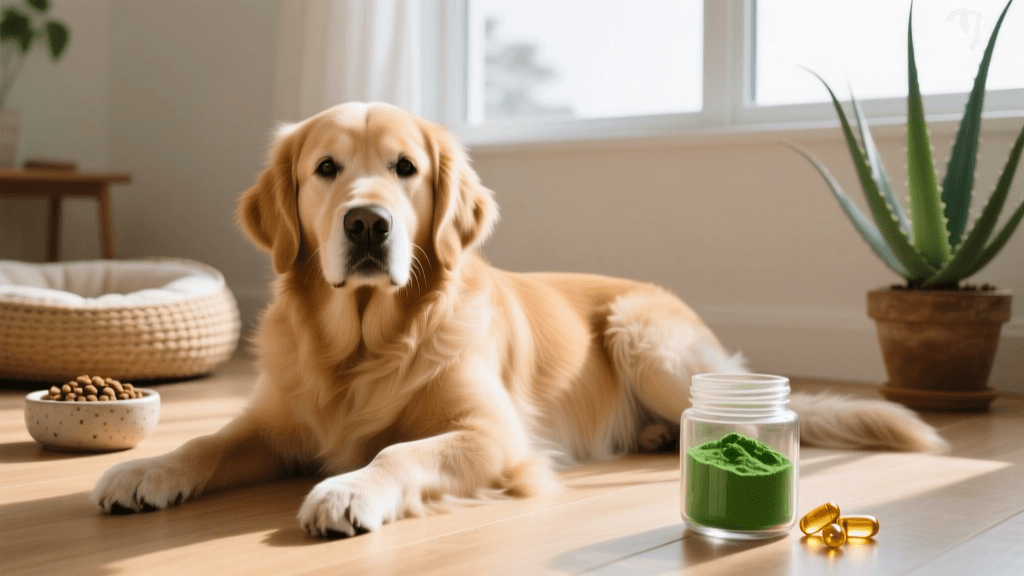
- Breakfast Supplement: Administer liposomal quercetin and a high-quality Omega-3 fish oil (such as wild Alaskan salmon or sardine oil) with your dog's morning meal. Quercetin and Omega-3s are fat-soluble, meaning they require dietary fat for optimal absorption.
- Probiotic Administration: Give the targeted probiotic either 30 minutes before breakfast or mixed into a small amount of bone broth. Avoid mixing probiotics into hot food, as heat will destroy the live bacteria.
Mid-Day and Post-Walk Care
- Botanical Paw Wipes: After every walk, wipe your dog's paws and underbelly with a natural, botanical wipe. In 2026, wipes infused with green tea extract, aloe vera, and diluted apple cider vinegar are highly recommended. This physically removes pollen, mold spores, and lawn chemicals before the dog can lick them off their paws and ingest them.
- Hydration: Add a tablespoon of plain, unsweetened kefir or goat's milk to their water bowl to provide a natural, whole-food boost of probiotics and enzymes.
Evening Routine
- Second Quercetin Dose: If using a standard powder or capsule, administer the second half of the daily quercetin dose with dinner to maintain stable blood levels overnight.
- Topical Soothing: If your dog is actively chewing their paws before bed, apply a natural paw balm containing shea butter, calendula, and chamomile. This creates a physical barrier and provides localized anti-inflammatory relief.
Environmental Holistic Practices
Supplements can only do so much if the dog's environment is constantly triggering their immune system. A true holistic approach requires auditing your home for hidden allergens and toxins.
- Smart HEPA Purification: Invest in a 2026 smart HEPA air purifier equipped with VOC (Volatile Organic Compound) sensors. Place these in the rooms where your dog sleeps to continuously trap airborne dander, dust mites, and pollen.
- Non-Toxic Cleaning: Switch to plant-based, hypoallergenic floor and surface cleaners. Traditional chemical cleaners leave residue that irritates the sensitive skin on a dog's paw pads and belly. Look for cleaners utilizing enzymatic or citrus-based formulas.
- Bedding Hygiene: Wash your dog's bedding weekly in hot water using a fragrance-free, dye-free detergent. Adding a half-cup of white vinegar to the rinse cycle acts as a natural fabric softener and helps strip away residual detergents and dust mites.
- Natural Flea and Tick Control: Chemical flea preventatives can sometimes exacerbate systemic inflammation in highly allergic dogs. Discuss holistic alternatives with your vet, such as beneficial nematodes for your yard, food-grade diatomaceous earth for carpets, and cedarwood oil-based sprays for the dog's coat.
Conclusion
Managing canine allergies holistically in 2026 is about embracing a multi-modal approach. By combining the mast-cell-stabilizing power of liposomal quercetin, the immune-modulating benefits of targeted probiotics, and rigorous environmental control, you can significantly reduce your dog's reliance on harsh pharmaceuticals. While natural protocols require patience and consistency, the reward is a healthier, happier dog with a robust immune system and a vibrant, itch-free coat.
priya-sutaria
All our authors care for dogs every day — read more of their work on the authors page.