Top Puzzle Feeders To Satisfy Canine Foraging Instincts
Discover how puzzle feeders satisfy your dog's natural foraging instincts. Read our buyer's guide to the best enrichment toys for mental stimulation.
The Psychology Behind Canine Foraging
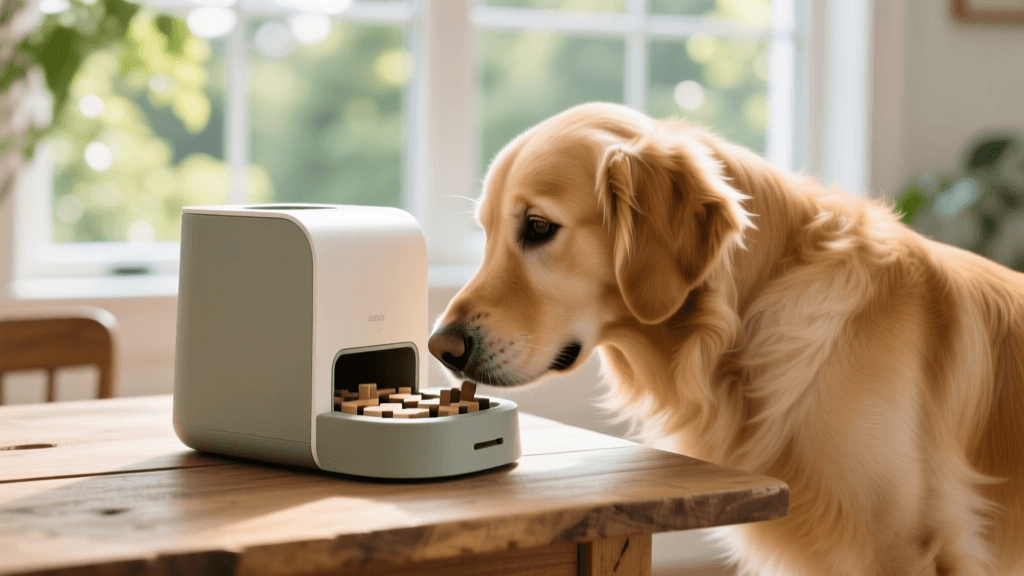
To truly understand your dog's behavior, you must first look at their evolutionary history. In the wild, canines spend up to 80% of their waking hours searching for, stalking, and scavenging food. Modern domestic dogs, however, are typically handed a bowl of kibble twice a day, requiring zero effort. This mismatch between their deep-seated biological drives and their modern lifestyle often leads to behavioral issues such as destructive chewing, excessive barking, and hyperactivity.
Behavioral scientists refer to a phenomenon known as 'contrafreeloading.' Studies consistently show that animals, including dogs, actually prefer to work for their food rather than eating it for free from a bowl. When a dog solves a puzzle to access a treat, their brain releases dopamine, the neurotransmitter associated with pleasure and reward. According to the American Kennel Club (AKC), providing mental stimulation through foraging toys is just as critical as physical exercise for maintaining a balanced, well-adjusted dog. By integrating puzzle feeders into your daily routine, you are not just feeding your dog; you are fulfilling a fundamental psychological need.
Understanding Breed-Specific Foraging Instincts
Not all dogs forage in the same way. Understanding your dog's specific breed group can help you select the most effective enrichment tools. According to Fear Free Pets, tailoring enrichment to a dog's natural instincts prevents frustration and maximizes cognitive engagement.
Scent Hounds (e.g., Beagles, Bloodhounds, Coonhounds)
Hounds are driven by their olfactory senses. Their version of foraging involves tracking and sniffing out hidden prey. For these breeds, mechanical puzzles that require sliding or lifting are less satisfying than scent-based foraging mats that allow them to use their noses to root out hidden kibble.
Herding Breeds (e.g., Border Collies, Australian Shepherds)
Herding dogs are the problem-solvers of the canine world. They possess high intelligence and a strong drive to manipulate their environment with their paws and mouths. They thrive on multi-step mechanical puzzles that require sequential thinking and physical manipulation to unlock rewards.
Terriers (e.g., Jack Russell Terriers, Rat Terriers)
Terriers were bred to dig into burrows and shake prey. Their foraging style is often vigorous, involving digging, pawing, and tearing. They require highly durable puzzle toys that can withstand aggressive manipulation and toys that mimic the 'digging' aspect of the hunt.
Buyer's Guide: Top Puzzle Feeders Reviewed
Based on canine behavioral needs, durability, and ease of use, we have reviewed the top puzzle feeders on the market to help you make an informed purchase.
1. Outward Hound Nina Ottosson Dog Brick
Best For: Herding breeds and intermediate problem solvers.
Price: $14.99
Dimensions: 12.75 x 9.25 x 2 inches
Material: BPA-free, phthalate-free, and PVC-free plastic.
The Dog Brick is a staple in the canine enrichment community. It features three types of treat-hiding compartments: flip lids, removable bones, and sliding blocks. This multi-step puzzle requires the dog to use both their nose and paws to uncover the food. Because it is made of solid, easy-to-clean plastic, it is highly hygienic. However, it is not recommended for aggressive chewers who might try to crack the plastic removable bones. It provides roughly 10 to 15 minutes of active engagement for an intermediate dog.
2. PAW5 Wooly Snuffle Mat
Best For: Scent hounds, fast eaters, and senior dogs.
Price: $45.00
Dimensions: 18 x 12 inches
Material: Upcycled polyester fleece.
The Wooly Snuffle Mat mimics the experience of foraging in tall grass. You simply massage dry kibble deep into the thick, varied strands of fleece. This engages the dog's primary sense—smell—and forces them to slow down their eating, which aids in digestion and prevents bloat. It is entirely machine washable and contains no hard plastic parts, making it incredibly safe for dogs of all ages and bite strengths. The higher price point reflects its durable, handcrafted construction.
3. KONG Classic Dog Toy (Red or Black)
Best For: Terriers, power chewers, and dogs with separation anxiety.
Price: $15.00 - $25.00 (depending on size)
Dimensions: Varies (Small to XXL)
Material: Natural, non-toxic rubber.
While often viewed simply as a chew toy, the KONG Classic is a premier foraging tool when stuffed correctly. By layering wet food, peanut butter, and kibble, and then freezing it overnight, you create a long-lasting foraging challenge that can occupy a dog for 30 to 45 minutes. The unpredictable bounce also taps into the predatory chase instinct. For power chewers and terriers who like to destroy their puzzles, the Black KONG Extreme rubber provides the necessary durability.
4. Trixie Pet Products Flip Board
Best For: Small breeds, beginners, and cognitive therapy for aging dogs.
Price: $12.99
Dimensions: 9 x 9 x 2 inches
Material: Plastic with rubber non-slip base.
The Flip Board is a compact, entry-level puzzle that utilizes cones, hinged lids, and sliding disks. Its small footprint makes it perfect for Chihuahuas, Pomeranians, or senior dogs who may struggle with larger, heavier puzzles. The non-slip rubber feet keep the board stationary, allowing small dogs to use their paws without the toy sliding across the floor. It is an excellent diagnostic tool to gauge your dog's baseline problem-solving skills before moving to advanced levels.
Comparison Chart: Finding the Right Enrichment Tool
| Product Name | Best For Breed Type | Difficulty Level | Price Range | Primary Instinct Targeted |
|---|---|---|---|---|
| Nina Ottosson Dog Brick | Herders & Smart Mixes | Level 2 (Intermediate) | $14.99 | Paw manipulation & logic |
| PAW5 Wooly Snuffle Mat | Hounds & Fast Eaters | Level 1 (Beginner) | $45.00 | Olfactory tracking & sniffing |
| KONG Classic (Frozen) | Terriers & Chewers | Level 1-3 (Variable) | $15 - $25 | Chewing, licking & extraction |
| Trixie Flip Board | Small Breeds & Seniors | Level 1 (Beginner) | $12.99 | Fine motor skills & nudging |
How to Introduce Puzzle Toys to Your Dog
Introducing a puzzle feeder incorrectly can lead to frustration, causing the dog to abandon the toy or resort to destructive chewing to force the food out. Follow these actionable steps to ensure a positive psychological association.
Step 1: Start at the Easiest Level
When introducing a mechanical puzzle like the Dog Brick, leave the compartments completely open and uncovered for the first few sessions. Let your dog eat the treats directly from the trays. This teaches them that the toy is a food source. Over the next week, gradually introduce the sliding blocks and lids one at a time.
Step 2: Use High-Value, Aromatic Treats
Dogs rely heavily on scent to locate food. When first using a snuffle mat or a KONG, use highly aromatic treats like freeze-dried liver, smelly fish, or low-sodium chicken broth. The strong scent will keep them motivated to persist through the initial learning curve of the puzzle.
Step 3: Monitor Timing and Prevent Frustration
A good puzzle session should last between 10 to 20 minutes. If your dog is struggling to access the food after 5 minutes and begins to whine or aggressively bite the plastic, the puzzle is too difficult. Step in, help them solve the final step, and end the session on a positive note. Never leave a dog unsupervised with hard plastic puzzles, as ingesting broken pieces can cause severe gastrointestinal blockages.
Step 4: Establish a Cleaning Routine
Because these toys hold wet and dry food, bacteria can build up rapidly. Plastic and rubber puzzles should be washed with warm, soapy water after every use. Many sliding puzzles and the KONG Classic are top-rack dishwasher safe. The PAW5 Snuffle Mat should be shaken out and machine washed on a gentle cycle once a week to prevent mold and odors.
Final Thoughts on Canine Cognitive Health
Understanding your dog means recognizing that they are not just passive recipients of our care; they are active, intelligent predators with complex psychological needs. By replacing the traditional food bowl with species-appropriate puzzle feeders, you are honoring their evolutionary heritage. Whether you have a scent-driven Beagle who needs a snuffle mat or a brilliant Border Collie who demands a multi-step logic puzzle, investing in canine enrichment is one of the most effective ways to curb behavioral issues, reduce anxiety, and build a deeper, more fulfilling bond with your best friend.
jonas-cole
All our authors care for dogs every day — read more of their work on the authors page.