Puppy vs. Senior Dog: Which Life Stage Is Right for You?
Discover whether a playful puppy or a mellow senior dog fits your lifestyle. Compare costs, care needs, and life stage traits to make the best choice.

The Great Debate: Puppy Energy vs. Senior Wisdom
Walking into an animal shelter or browsing rescue websites is an emotional experience. You are immediately faced with a critical decision that will shape your daily routine, your finances, and your home environment for years to come: should you adopt a bouncy, energetic puppy or a calm, distinguished senior dog? While every dog is an individual, understanding the distinct care requirements of different canine life stages is the cornerstone of responsible pet ownership. Choosing a dog whose life stage aligns with your current lifestyle, physical capabilities, and schedule is just as important as selecting the right breed or size. In this comprehensive life stage care guide, we will break down the realities of bringing home a puppy versus adopting a senior dog, complete with cost estimates, time commitments, and home preparation strategies.
Understanding the Puppy Life Stage (0 to 12 Months)
Puppies are undeniably adorable, but they are essentially canine toddlers. The first year of a dog’s life is characterized by rapid physical growth, intense curiosity, and a critical window for behavioral development. When you adopt a puppy, you are signing up for a blank slate that requires immense patience, consistent training, and a highly structured environment.
Time, Training, and Teething
The most demanding aspect of puppyhood is the time commitment. Puppies under six months require bathroom breaks every two to three hours, including overnight. Furthermore, the primary socialization window occurs between 8 and 16 weeks of age. According to the American Kennel Club (AKC), safe and positive exposure to various people, environments, sounds, and other animals during this brief window is vital to prevent fear-based behaviors later in life. This means you must dedicate at least two to three hours daily to active training, socialization outings, and supervised play.
Teething is another major hurdle. Between 12 and 24 weeks, puppies will chew relentlessly to soothe their aching gums. You must invest in durable, puppy-specific chew toys like the KONG Puppy Teething Stick and keep a bottle of enzymatic cleaner like Nature’s Miracle on hand for inevitable indoor accidents.
Estimated First-Year Puppy Costs
Puppies require a heavy upfront financial investment. Initial veterinary costs include a series of DHPP and Rabies vaccinations, deworming, flea/tick prevention, and spay/neuter surgery. The ASPCA estimates that the first-year costs for a medium-sized dog can easily exceed $1,500 to $2,500 when factoring in initial supplies (crate, X-pen, training treats, collars) and veterinary care. Additionally, enrolling in a 6-week puppy kindergarten class typically costs between $150 and $300, which is highly recommended for foundational obedience.
Embracing the Senior Life Stage (7+ Years)
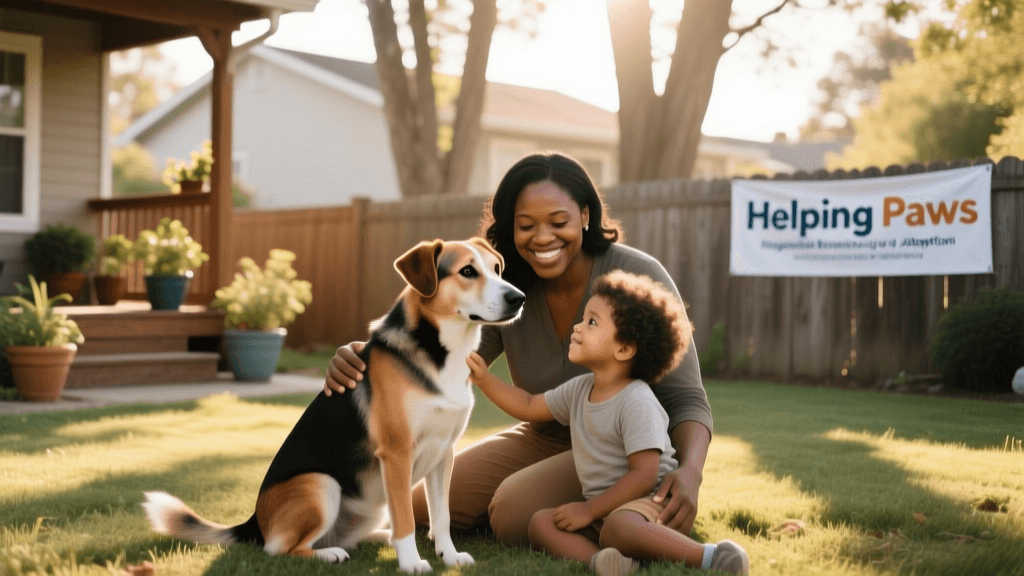
Senior dogs, typically defined as those over the age of seven (or earlier for giant breeds), offer a completely different, yet deeply rewarding, adoption experience. These dogs have usually outgrown the destructive chewing phase, are often already house-trained, and possess a settled temperament. Adopting a senior dog means skipping the exhausting puppy phase and stepping directly into a companionship built on quiet loyalty and mutual respect.
Health, Comfort, and Care
The primary focus of senior dog care is comfort and proactive health management. Older dogs are prone to osteoarthritis, dental disease, and sensory decline. Organizations like The Grey Muzzle Organization highlight that while senior dogs may have more medical needs, their lower energy levels make them ideal for apartment dwellers, older adults, or busy professionals who cannot commit to the rigorous exercise demands of a young dog.
Daily time commitments shift from intense training to gentle care. A senior dog typically requires 30 to 60 minutes of leisurely walking per day, broken into shorter, joint-friendly sessions. Mental stimulation remains important, but it can be achieved through low-impact activities like sniffaris (scent-driven walks) or gentle puzzle toys rather than high-impact fetch sessions.
Estimated First-Year Senior Costs
While you save on puppy vaccines and spay/neuter surgeries, senior dogs require specialized geriatric care. You should budget for bi-annual veterinary wellness exams, comprehensive senior blood panels, and dental cleanings. Furthermore, you will likely need to purchase joint supplements like Dasuquin Advanced or Cosequin, which cost roughly $40 to $60 per month. Many shelters offer senior adoption specials, sometimes waiving fees entirely, which can help offset the initial medical expenses.
Side-by-Side Comparison: Puppies vs. Senior Dogs
To help you visualize the differences in daily life, review this structured comparison chart detailing the core aspects of each life stage.
| Feature | Puppy (0 - 1 Year) | Senior Dog (7+ Years) |
|---|---|---|
| Energy Level | High; requires vigorous play and frequent outings | Low to Moderate; prefers leisurely strolls and naps |
| Daily Time Commitment | 2 to 4 hours (training, potty breaks, socialization) | 1 to 2 hours (gentle walks, grooming, cuddling) |
| Training Needs | Extensive; housebreaking, bite inhibition, basic cues | Minimal; mostly reinforcement and gentle mental enrichment |
| Veterinary Schedule | Monthly visits for vaccines/spay/neuter in year one | Bi-annual checkups with senior bloodwork and dental care |
| Home Environment | Requires heavy puppy-proofing and secure X-pens | Requires accessibility modifications and orthopedic support |
| Estimated Annual Cost | $1,500 - $2,500 (heavily front-loaded in year one) | $1,000 - $2,000 (spread across supplements and senior care) |
Preparing Your Home for Different Life Stages
Your living space must be adapted to safely accommodate the specific physical limitations and behavioral tendencies of your chosen life stage. A home prepared for a puppy looks vastly different from a home optimized for a senior dog.
Puppy-Proofing Essentials
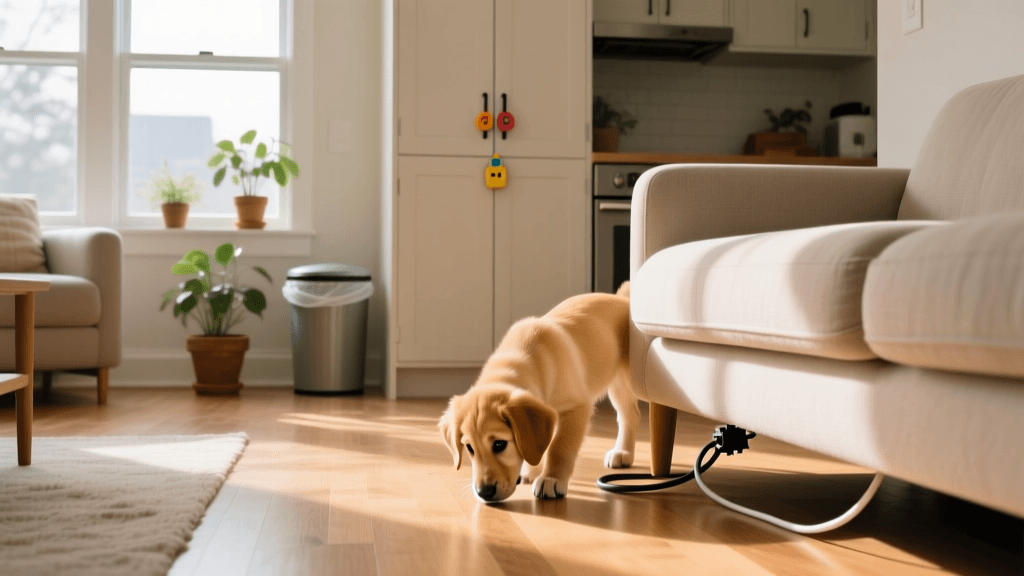
Puppies explore the world with their mouths and lack an understanding of danger. To prepare your home, you must get down on your hands and knees to view the environment from their perspective. Secure all electrical cords using cord concealers, install baby gates to block off staircases and restricted rooms, and remove toxic houseplants like lilies and sago palms. You will need to set up a designated “puppy zone” using a sturdy metal X-pen and a properly sized wire crate. The crate should be just large enough for the puppy to stand, turn around, and lie down; if it is too large, they may use one corner as a bathroom. Keep a supply of bitter apple spray on hand to deter chewing on baseboards and furniture legs.
Senior Dog Accessibility Upgrades
Conversely, preparing for a senior dog is all about mobility, joint preservation, and safety. Slippery hardwood or tile floors are a major hazard for older dogs with weakened hindquarters or arthritis. Lay down interlocking foam mats or secure non-slip carpet runners in high-traffic areas to provide traction. If your senior dog will be sleeping on your bed or riding in your SUV, invest in a sturdy pet ramp, such as the Pet Gear Happy Ride Pet Ramp, to prevent them from jumping and risking a ligament tear. Finally, elevate their food and water bowls using a raised diner stand to reduce neck strain and aid in digestion, especially for large or giant breed seniors.
Making the Final Decision
Ultimately, there is no universally “better” life stage to adopt; there is only the life stage that is better for you. If you have a flexible schedule, a fenced yard, the financial buffer for unexpected training or medical needs, and the patience to guide a dog through its formative months, a puppy will reward you with a lifetime of tailored companionship. However, if you work long hours, live in a smaller space, or simply desire a calm, grateful companion to share quiet evenings with, a senior dog will seamlessly slot into your life and offer profound, immediate love. By honestly assessing your lifestyle against the realities of these life stages, you ensure a successful, lifelong bond with your new best friend.
beth-carrasco
All our authors care for dogs every day — read more of their work on the authors page.