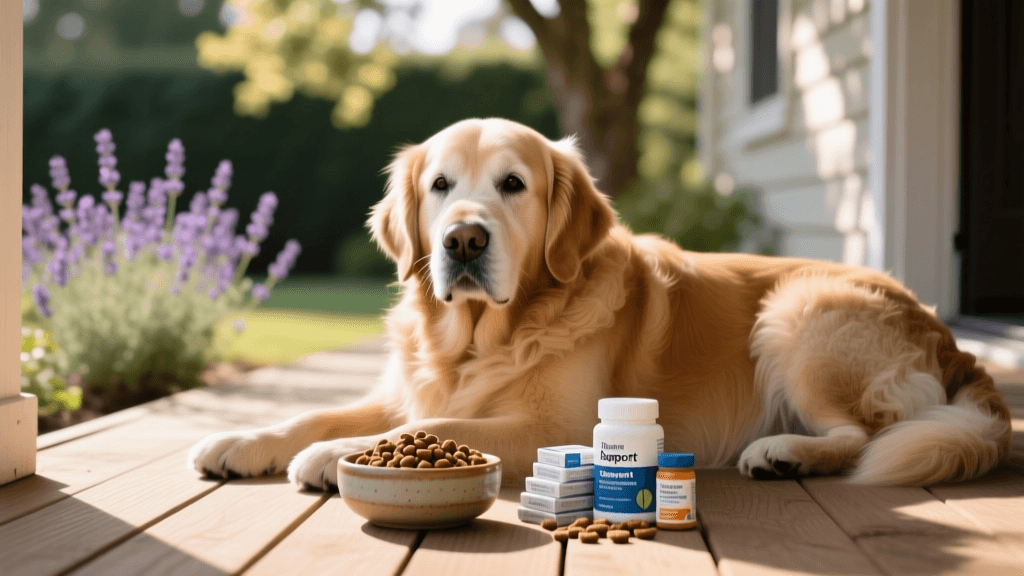
The Beginner's Handbook to Puppy Vaccinations and Health
Discover the complete beginner's handbook to puppy vaccinations, deworming, and parasite prevention. Learn costs, schedules, and vet visit tips.

Welcome to Puppyhood: Why Preventive Care Matters
Bringing a new puppy home is one of life's most joyful experiences, but it also comes with a profound responsibility to protect their fragile, developing immune system. For first-time dog owners, the sheer volume of veterinary advice, vaccination schedules, and parasite prevention protocols can feel overwhelming. This complete beginner's handbook is designed to demystify puppy preventive care, giving you the exact timelines, product recommendations, and cost expectations you need to ensure your new companion thrives.
Puppies are born with virtually no immunity to the dangerous pathogens lurking in the environment. Without a structured veterinary intervention plan, they are highly susceptible to life-threatening illnesses such as Canine Parvovirus and Distemper. By understanding the science behind puppy shots and parasite control, you can make confident, informed decisions alongside your veterinarian.
The Science of Immunity: Maternal Antibodies and the Window of Susceptibility
Before diving into the schedule, it is crucial to understand why puppies require so many visits to the vet in their first few months. When a puppy nurses from their mother immediately after birth, they ingest colostrum—a milk rich in maternal antibodies. These antibodies provide temporary, passive immunity against diseases the mother was vaccinated against or exposed to.
"Maternal antibodies protect the puppy early in life, but they also interfere with the puppy's ability to respond to vaccines. As these maternal antibodies wane, there is a 'window of susceptibility' where the puppy is no longer protected by the mother but not yet protected by their own vaccine-induced immunity."
Because veterinarians cannot measure exactly when maternal antibodies drop below protective levels in an individual puppy, they administer a series of booster vaccines every 3 to 4 weeks until the puppy is at least 16 weeks old. This ensures that the moment the maternal antibodies fade, the vaccine can successfully stimulate the puppy's own immune system.
Core vs. Non-Core Vaccines: What Your Puppy Needs
Vaccines are categorized into two distinct groups: Core and Non-Core. According to the American Veterinary Medical Association (AVMA), core vaccines are essential for all dogs regardless of their geographic location or lifestyle, as they protect against severe, widespread, and potentially fatal diseases. Non-core vaccines are administered based on your dog's specific risk factors, such as exposure to other dogs, local wildlife, or regional tick populations.
| Vaccine Type | Disease Targeted | Classification | Typical Cost Per Dose |
|---|---|---|---|
| DA2PP / DHPP | Distemper, Adenovirus, Parainfluenza, Parvovirus | Core | $25 - $40 |
| Rabies | Rabies virus (Fatal neurological disease) | Core (Legal Requirement) | $15 - $30 |
| Bordetella | Kennel Cough (Respiratory infection) | Non-Core (Lifestyle) | $20 - $35 |
| Leptospirosis | Bacterial infection (Kidney/Liver damage) | Non-Core (Regional) | $25 - $40 |
| Lyme Disease | Borrelia burgdorferi (Tick-borne) | Non-Core (Regional) | $25 - $40 |
| Canine Influenza | Dog Flu (H3N2 / H3N8) | Non-Core (Lifestyle) | $30 - $45 |
The Ultimate Puppy Vaccination Timeline
The American Kennel Club (AKC) outlines a standard vaccination schedule that most veterinarians follow. Keep in mind that your vet may adjust this timeline slightly based on local disease prevalence and your puppy's exact age at adoption.
6 to 8 Weeks of Age
- DA2PP (Dose 1): Protects against Distemper and Parvovirus. Parvo is highly contagious and causes severe, often fatal, hemorrhagic gastroenteritis.
- Deworming: Puppies are often born with roundworms or hookworms. A liquid oral dewormer like Pyrantel Pamoate (Nemex) is typically administered.
9 to 11 Weeks of Age
- DA2PP (Dose 2): First booster to catch the immune system as maternal antibodies begin to wane.
- Bordetella (Optional): Recommended if the puppy will be attending socialization classes, visiting dog parks, or being groomed.
- Deworming: Second dose of intestinal parasite treatment.
12 to 15 Weeks of Age
- DA2PP (Dose 3): Second booster.
- Rabies (Dose 1): Legally required in most municipalities. Usually given between 12 and 16 weeks.
- Leptospirosis & Lyme (Dose 1): Initiated if your vet determines your puppy is at risk due to hiking, wildlife exposure, or living in a tick-endemic area.
16 Weeks and Older
- DA2PP (Dose 4): The final puppy booster, ensuring immunity is locked in past the maternal antibody window.
- Leptospirosis & Lyme (Dose 2): Required booster for these specific non-core vaccines to achieve full immunity.
Deworming and Parasite Prevention Handbook
Vaccines only tell half the preventive care story. Parasites pose a massive threat to a puppy's health and can even be transmitted to humans (zoonotic risk). A robust parasite prevention protocol covers three main fronts: intestinal worms, heartworms, and external parasites (fleas and ticks).
Intestinal Parasites
Puppies should have a fecal flotation test performed by your vet at their first visit to check for microscopic parasite eggs. Even if the test is negative, routine deworming with a broad-spectrum anthelmintic like Fenbendazole (Panacur) or Pyrantel is standard practice, as puppies can acquire worms from their mother's milk.
Heartworm Prevention
Heartworm disease is transmitted by mosquitoes and is fatal if left untreated. The American Heartworm Society recommends starting puppies on heartworm prevention by 8 weeks of age. Popular, highly effective monthly chewables include:
- Heartgard Plus (Ivermectin/Pyrantel): Prevents heartworms and treats roundworms/hookworms. Cost: ~$45 for a 6-month supply.
- Interceptor Plus (Milbemycin/Praziquantel): Broad-spectrum protection covering heartworms, roundworms, hookworms, whipworms, and tapeworms. Cost: ~$55 for a 6-month supply.
Flea and Tick Control
Oral isoxazoline class medications have revolutionized flea and tick control. Products like NexGard, Bravecto, or Simparica Trio (which also includes heartworm and intestinal parasite prevention) are safe for puppies once they reach the minimum weight and age requirements (usually 8 weeks and 4 lbs). Expect to pay between $20 and $30 per month for premium oral preventatives.
Budgeting for Your Puppy's First Year of Health
First-time owners are often caught off guard by the cumulative cost of puppy veterinary care. While prices vary wildly by geographic region and clinic type (corporate vs. private practice vs. shelter clinic), here is a realistic budget breakdown for a puppy's first six months:
- Initial Exam & Fecal Test: $60 - $90
- Vaccination Series (3-4 visits): $200 - $350
- Rabies Vaccine & Tag: $20 - $40
- Spay/Neuter Surgery: $250 - $600 (often cheaper if done through low-cost municipal clinics)
- Microchipping: $40 - $60
- 6 Months of Parasite Prevention: $120 - $180
Total Estimated First-Year Preventive Budget: $690 to $1,320. Setting aside a dedicated pet health fund or enrolling in pet insurance before pre-existing conditions develop is a highly recommended strategy for new owners.
Post-Vaccination Care: Normal vs. Emergency Reactions
After a day of vaccinations, your puppy's immune system is working hard. It is entirely normal for them to experience mild side effects for 24 to 48 hours. Normal reactions include lethargy, sleeping more than usual, a mild low-grade fever, and slight tenderness at the injection site. Some puppies may also sneeze or have a mild cough if they received the intranasal Bordetella vaccine.
However, you must monitor for signs of anaphylaxis, a rare but life-threatening allergic reaction. Rush to an emergency veterinary clinic immediately if your puppy exhibits:
- Severe facial swelling (especially around the eyes and muzzle)
- Hives or intense, persistent itching
- Vomiting or severe diarrhea
- Difficulty breathing or pale gums
- Collapse or inability to stand
If your puppy has a history of vaccine reactions, your veterinarian may recommend pre-medicating with an antihistamine like Diphenhydramine (Benadryl) 30 minutes prior to future vaccinations, or splitting the vaccine schedule into separate visits to reduce the immune system's load.
Conclusion
Navigating your puppy's early health requirements is a cornerstone of responsible dog ownership. By adhering to a strict vaccination timeline, maintaining year-round parasite prevention, and understanding the financial and medical expectations of the first year, you are laying the groundwork for a long, vibrant, and disease-free life. Always maintain an open dialogue with your veterinarian, as they are your greatest ally in tailoring this beginner's handbook to your specific puppy's unique needs.
aaron-whyte
All our authors care for dogs every day — read more of their work on the authors page.