Puppy Teething Timeline: Google's Top Questions Answered
Discover the puppy teething timeline and get answers to Google's most-asked questions about biting, chewing, and soothing your pup's sore gums safely.
Welcome to the 'Land Shark' Phase
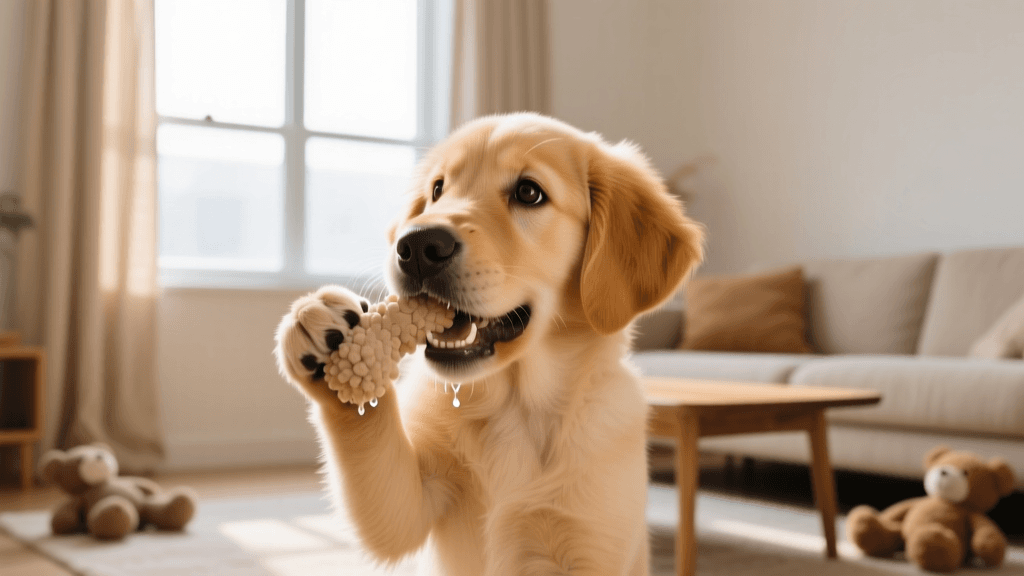
Bringing home a new puppy is one of the most exciting milestones for any dog owner. However, the joy of those first few weeks is often quickly overshadowed by a painful reality: your adorable furball has a mouth full of razor-sharp teeth, and they want to chew on absolutely everything, including your hands, ankles, and favorite shoes. If you find yourself typing frantic searches into your browser at 2 AM, you are not alone. Puppy teething and the accompanying biting behaviors are consistently among the most searched topics by new dog owners worldwide.
At Paws-Tales, we believe that understanding the biological and developmental reasons behind your puppy's behavior is the first step toward managing it. Teething is a completely natural developmental milestone, but it requires patience, strategic redirection, and the right tools. In this comprehensive guide, we are answering Google's most-asked questions about puppy teething, providing you with a detailed timeline, actionable training advice, specific product recommendations, and home remedies to save your furniture and your sanity.
When Do Puppies Start Teething? (The Complete Timeline)
According to the American Kennel Club (AKC), puppies are born without teeth. Their dental development happens in two distinct phases: the eruption of deciduous (baby) teeth and the subsequent transition to permanent adult teeth. Understanding this timeline helps you anticipate changes in your puppy's chewing intensity and dietary needs.
| Age Range | Teething Stage | What is Happening | Actionable Advice |
|---|---|---|---|
| 2-4 Weeks | Baby Teeth Emerge | Incisors and canines start breaking through the gums. Puppies begin weaning. | Ensure the mother is nursing properly; introduce soft puppy mush if weaning begins. |
| 5-8 Weeks | Full Baby Set | All 28 baby teeth are fully erupted. Biting and mouthing littermates peaks. | Begin gentle handling of the puppy's mouth to desensitize them to dental care. |
| 12-16 Weeks | Teething Begins | Baby teeth start falling out to make room for adult teeth. Gums are inflamed and sore. | Introduce frozen teething toys and soft kibble soaked in warm water. |
| 4-6 Months | Adult Teeth Emerge | Permanent incisors, canines, and premolars push through. Chewing intensity is at its highest. | Provide durable, safe chew toys. Puppy-proof your home by hiding electrical cords. |
| 6-8 Months | Full Adult Set | All 42 adult teeth should be fully in place. The intense urge to chew begins to subside. | Schedule a veterinary dental check to ensure no baby teeth are retained. |
Why Is My Puppy Biting Me So Much?
One of the most common questions searched on Google is, 'Why does my puppy bite me and not my spouse?' or 'Is my puppy aggressive?' The short answer is no; your puppy is not aggressive. Puppies explore the world with their mouths, much like human babies use their hands. Furthermore, when puppies play with their littermates, they use their mouths to wrestle and interact. When they are separated from their litter and brought into a human home, they naturally attempt to play with you using the only play language they know: mouthing.
'Puppies explore the world with their mouths, much like human babies use their hands. Redirecting this behavior is about teaching them what is acceptable to chew, not punishing them for their natural instincts.' - Consensus from Certified Professional Dog Trainers.
The ASPCA emphasizes the importance of teaching 'bite inhibition.' This is the process of teaching your puppy to control the force of their bite. If a puppy bites too hard during play, you must mimic the corrective feedback of a littermate.
Step-by-Step Bite Inhibition Training
- The 'Yelp' Method: When your puppy's teeth touch your skin, immediately let out a high-pitched yelp or say 'Ouch!' in a sharp tone. This startles them and mimics a sibling's cry.
- The Redirect: Immediately offer an appropriate teething toy, such as a KONG Puppy (Cost: ~$12-$15). Praise them lavishly when they bite the toy instead of your skin.
- The Timeout: If the puppy continues to bite your skin after the yelp and redirect, calmly stand up, cross your arms, and ignore them for 30 to 60 seconds. Alternatively, place them in a playpen for a brief one-minute timeout. This teaches them that biting humans results in the end of playtime.
What Are the Best Teething Toys for Puppies?
Not all toys are created equal, and giving a teething puppy a hard nylon bone meant for adult dogs can actually fracture their delicate baby teeth or damage developing adult teeth. When shopping for teething toys, look for items that have a slight 'give' when you press your thumbnail into them.
Top Recommended Teething Products
- KONG Puppy (Pink or Blue Rubber): Priced between $12 and $15 depending on the size, this is the gold standard for teething pups. The proprietary rubber formula is gentle on developing teeth but durable enough to withstand sharp puppy canines. Pro Tip: Stuff it with plain pumpkin puree or xylitol-free peanut butter and freeze it for two hours to provide numbing relief.
- Nylabone Puppy Chew Toys: Costing around $7 to $10, these are designed specifically for puppies without adult teeth. They feature raised bristles that help clean teeth and massage sore gums. Always select the 'Puppy' specific line, which is softer than their adult power-chew versions.
- Benebone Puppy Wishbone: At approximately $14, this ergonomic toy is infused with real bacon flavor. The wishbone shape allows puppies to easily grip it with their paws while they chew, reducing frustration.
How Can I Soothe My Puppy's Sore Gums at Home?
Just like human toddlers, puppies experience significant gum inflammation, swelling, and discomfort when their adult teeth push through the gum line. Providing cold therapy is one of the most effective ways to constrict blood vessels, reduce swelling, and numb the pain. Here are three highly effective, low-cost home remedies:
- The Frozen Washcloth: Take a clean, 12x12 inch microfiber washcloth, wet it with water or low-sodium chicken broth (ensure there is no onion or garlic powder), wring it out until it is damp, twist it into a tight rope, and freeze it for 3 hours. The texture provides excellent gum massage while the cold soothes the pain. Supervise your puppy to ensure they do not ingest pieces of the fabric.
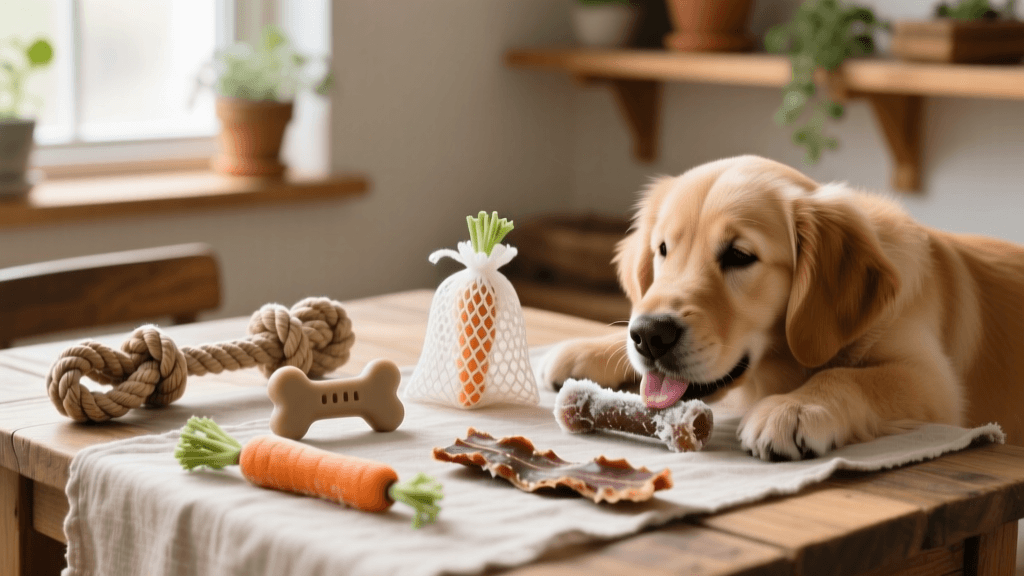
- Frozen Baby Carrots: Carrots are low in calories, high in fiber, and completely safe for dogs. Freezing whole baby carrots creates a crunchy, edible ice pack that dissolves safely as the puppy chews.
- Broth Ice Cubes: Freeze low-sodium bone broth (dog-safe, without alliums) in a standard ice cube tray. Tossing a broth cube on the floor turns pain relief into an interactive game of chase.
When Should I Worry About Retained Baby Teeth?
While most baby teeth fall out naturally and are often swallowed by the puppy (which is completely harmless), sometimes they fail to detach. VCA Animal Hospitals warns that retained deciduous (baby) teeth can cause severe orthodontic issues. If a baby tooth remains in place while the adult tooth erupts, it can force the adult tooth into an abnormal position, leading to a misaligned bite, difficulty eating, and accelerated plaque buildup.
What to look for: Around the 5 to 6-month mark, inspect your puppy's mouth weekly. If you see an adult canine or incisor coming in right next to a baby tooth that is not loose, consult your veterinarian. Extracting retained teeth is a common, minor surgical procedure typically performed while the puppy is under anesthesia for their spay or neuter surgery. The cost for dental extractions can range from $150 to $400 per tooth depending on your geographic location and the complexity of the root structure.
Frequently Asked Questions (Quick Answers)
Can I give my puppy ice cubes to chew on?
Yes, standard-sized ice cubes are generally safe for small to medium puppies and provide excellent gum relief. However, for large breed puppies with powerful jaws, crushing hard ice cubes can pose a slight risk of tooth fractures. In these cases, opt for crushed ice or frozen broth cubes instead.
Does puppy biting mean they will be an aggressive dog?
No. Mouthing and biting are normal developmental behaviors, not signs of malice or future aggression. However, failing to teach bite inhibition and proper redirection during the first six months can result in an adult dog that does not know its own strength, which can be dangerous. Consistency in training is key.
My puppy is bleeding from the gums, is this normal?
Light spotting of blood on a chew toy or in their water bowl is completely normal when a baby tooth is actively detaching. However, if you notice profuse bleeding, swelling, or if your puppy is refusing to eat due to mouth pain, you should contact your veterinarian immediately to rule out infections or oral injuries.
Final Thoughts on Surviving Puppy Teething
The teething phase is undoubtedly one of the most challenging periods in a puppy's first year. Between the destroyed shoes, the sharp nips, and the constant need for supervision, it is easy to feel overwhelmed. Remember that this phase is temporary. By the time your puppy reaches eight months of age, the adult teeth will be set, and the intense biological drive to chew on everything in sight will significantly diminish. By utilizing the timeline above, investing in the right teething toys, and consistently enforcing bite inhibition rules, you will not only protect your belongings but also lay the foundation for a well-mannered, happy adult dog.
hannah-wickes
All our authors care for dogs every day — read more of their work on the authors page.