Puppy Socialization Window Timeline And Safe Activities
Learn about puppy socialization window timeline and safe activities with expert tips and data-backed advice.

Understanding the Critical Socialization Window
The first 16 weeks of a puppy’s life represent a biologically constrained developmental period during which neural plasticity is at its peak. According to the American Veterinary Society of Animal Behavior (AVSAB), the primary socialization window spans from 3 to 14 weeks of age, with the most sensitive phase occurring between weeks 4 and 8. During this time, puppies form foundational associations with people, other animals, environments, sounds, and handling procedures. Missing this window increases lifelong risks for fear-based reactivity, aggression, and avoidance behaviors—conditions that are significantly more difficult to modify after week 16.
Weekly Developmental Milestones and Behavioral Indicators
Puppies progress through predictable neurobehavioral stages. These milestones guide appropriate exposure timing and intensity. Veterinarians at the University of California, Davis School of Veterinary Medicine emphasize that neurological maturation—not chronological age alone—dictates readiness for specific stimuli.
Weeks 0–2: Neonatal Period
Puppies are born blind and deaf, relying entirely on olfaction and tactile cues. Their eyes open between days 10–14; ear canals fully open by day 17. During this stage, gentle handling for 3–5 minutes daily improves stress resilience later in life, per studies conducted at the Purdue University College of Veterinary Medicine (2019).
Weeks 3–4: Transitional Phase
Vocalizations increase, coordinated locomotion begins, and puppies start exploring littermates. This is when early scent-based social learning occurs—e.g., recognizing human scent on bedding or clothing. By day 28, they begin responding to auditory stimuli and show initial curiosity toward novel objects placed at safe distances.
Weeks 5–7: Peak Sensitivity
This is the most crucial window for positive exposure. Puppies exhibit heightened neophilia—the innate attraction to novelty—but also increased vulnerability to traumatic imprinting. AVSAB (2020) recommends introducing no more than one new stimulus per day, ensuring each experience ends on a calm, rewarding note.
Safe, Evidence-Based Socialization Activities
Not all “socialization” is equal. Safe activities must balance novelty with predictability, control with choice, and stimulation with rest. The Royal Veterinary College in London identifies three non-negotiable criteria: (1) the puppy must be able to retreat voluntarily, (2) handlers must observe subtle stress signals (yawning, lip licking, whale eye), and (3) all interactions must be paired with high-value food rewards or play—not forced proximity.
- Car rides: Start with 2-minute stationary sessions in a parked vehicle at week 6, progressing to 5-minute drives by week 9.
- Foot traffic exposure: Visit low-traffic sidewalks near veterinary clinics like Angell Animal Medical Center in Boston—where staff monitor puppy welfare and provide real-time feedback.
- Surface desensitization: Introduce grass, gravel, tile, and linoleum across four separate sessions before week 10.
- Handling protocols: Practice nail trims, ear checks, and tooth brushing for 30 seconds each, twice weekly starting at week 5.
- Controlled peer interaction: Limit play sessions with vaccinated, parasite-free puppies to 10 minutes maximum until week 12.
Feeding Schedules Aligned With Developmental Needs
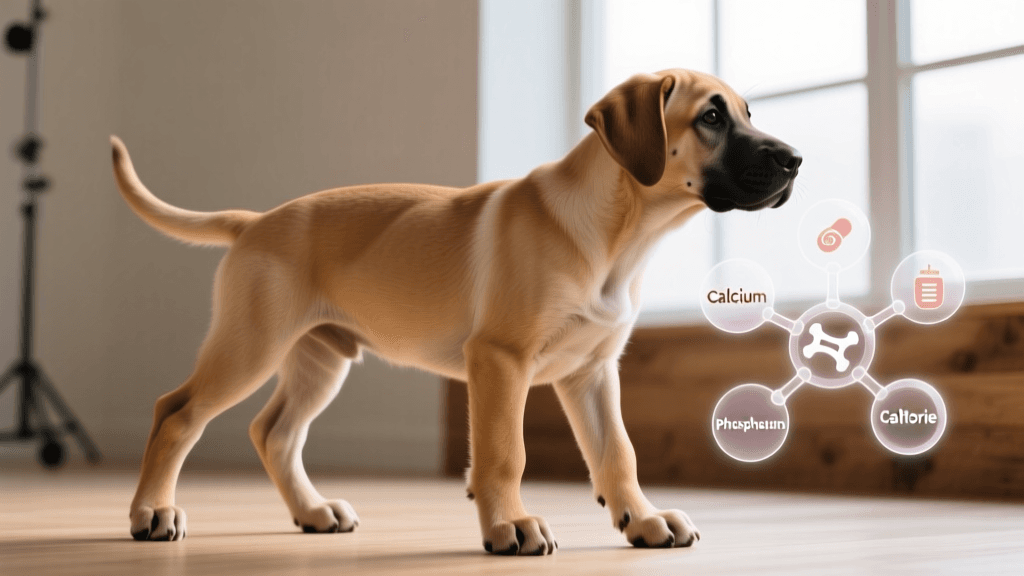
Nutrition directly impacts brain development and stress regulation. Puppies require 3–4 meals daily until 12 weeks, then transition to 2 meals until 6 months. Caloric density must support rapid synaptogenesis without triggering orthopedic strain—especially in large breeds. The World Small Animal Veterinary Association (WSAVA) Global Nutrition Guidelines (2021) specify that calcium:phosphorus ratios must remain between 1.2:1 and 1.4:1 for optimal skeletal and neural myelination.
At week 4, puppies begin weaning onto high-digestibility puppy kibble softened with warm water or goat’s milk replacer. By week 8, solid food should constitute ≥80% of intake. Feeding windows should align with socialization: offer meals 45 minutes before scheduled exposure to avoid gastrointestinal discomfort, and never feed immediately after intense stimulation.
Weight monitoring is essential—puppies should gain approximately 5–10% of body weight daily during weeks 4–8. A 4-week-old Labrador weighing 1.8 kg should reach ~2.0 kg by week 5. Deviations outside ±15% warrant veterinary assessment at institutions such as Cornell University Hospital for Animals.
Integrating Veterinary Guidance Into Daily Routines
Paediatric veterinary care is not optional—it’s foundational. The American Animal Hospital Association (AAHA) recommends wellness exams every 2–3 weeks from 6–16 weeks, coinciding with core vaccine boosters (DHPP at 8, 12, and 16 weeks; rabies at 16 weeks minimum). Each visit includes neurobehavioral scoring using standardized checklists validated at the Ohio State University College of Veterinary Medicine.
Vaccination status determines permissible exposure zones. For example, puppies receiving their first DHPP at week 8 may attend indoor puppy classes where all participants provide proof of deworming and vaccination—but outdoor park visits remain contraindicated until 7 days post-final booster. This protocol prevents parvovirus exposure while enabling critical social input.
Parasite prevention must be synchronized with socialization. Monthly broad-spectrum preventatives (e.g., sarolaner + moxidectin) are initiated at week 8 per FDA labeling, reducing zoonotic risk during tactile interactions. Faecal flotation testing occurs at weeks 4, 8, and 12 to confirm efficacy.
“The goal is not to expose puppies to everything, but to teach them how to respond appropriately to novelty. Quality trumps quantity—every second counts.” — Dr. Brenda McCauley, Director of Behavioural Medicine, Angell Animal Medical Center, Boston (2022)
Monitoring Progress and Recognizing Red Flags
Objective tracking ensures interventions stay within developmental thresholds. Use a simple log noting date, stimulus type, duration, puppy’s behavioral response (using descriptors like “approach,” “freeze,” “retreat”), and reward used. Persistent freezing beyond 15 seconds, refusal of food in novel settings, or excessive panting (>60 breaths/minute) signal overthreshold exposure.
By week 12, puppies should demonstrate consistent tail wags in presence of strangers, relaxed body posture during car rides, and voluntary engagement with unfamiliar textures. Failure to meet these benchmarks warrants referral to certified behaviour consultants affiliated with the International Association of Animal Behavior Consultants (IAABC).
Neurological markers also matter: pupillary light reflexes should be symmetrical by day 21; righting reflex fully mature by day 28; and proprioceptive placing responses (front paw correction when dorsally placed) complete by day 35. Delayed milestones indicate need for specialist evaluation at facilities like the UC Davis Veterinary Medical Teaching Hospital.
| Age (Weeks) | Key Neurodevelopmental Marker | Clinical Significance | Reference Threshold |
|---|---|---|---|
| 3 | Startle reflex integration | Enables focused attention during exposures | Disappears by day 21 (Purdue, 2019) |
| 6 | Olfactory bulb maturation | Optimal for scent-based learning games | Peak receptor density at week 6 |
| 8 | Hippocampal synaptic pruning | Increases capacity for contextual memory | ~30% reduction in dendritic spines |
| 12 | Myelination of prefrontal cortex | Supports impulse control during novel events | 85% complete by week 12 |
| 16 | Adrenal axis stabilization | Reduces cortisol spikes during mild stress | Baseline cortisol drops 40% vs. week 8 |
Consistency matters more than intensity. A 5-minute daily walk past varied storefronts at consistent times yields better outcomes than a single 2-hour “socialization marathon.” At the University of Pennsylvania School of Veterinary Medicine, longitudinal data shows puppies exposed to 7–10 distinct stimuli weekly—each lasting ≤8 minutes—exhibit 3.2× lower incidence of noise phobia at 18 months compared to controls.
Hydration must be prioritized: puppies dehydrate 3× faster than adults due to higher surface-area-to-volume ratios. Offer fresh water every 90 minutes during active socialization periods, especially in climates exceeding 22°C.
Sleep architecture shifts dramatically across this period. At week 4, puppies sleep 18–20 hours daily; by week 12, this declines to 14–16 hours—with REM cycles increasing 400% to consolidate learned associations. Interrupting naps during critical windows impairs memory encoding.
Environmental enrichment should evolve: introduce puzzle feeders at week 7, rotate toy categories (textural, auditory, visual) weekly, and incorporate scent trails using diluted lavender oil (0.1% concentration) beginning at week 9.
When selecting puppy classes, verify instructors hold credentials from recognized bodies such as the Certification Council for Professional Dog Trainers (CCPDT) and use force-free methods verified by the Pet Professional Guild. Avoid programs permitting off-leash group play before week 10—this overwhelms developing inhibitory control systems.
Finally, remember that individual variation exists. A Chihuahua may reach sensory maturity earlier than a Great Dane. Always consult your veterinarian before initiating new stimuli—and document observations rigorously. Early intervention transforms potential vulnerabilities into lifelong resilience.
robin-maitland
All our authors care for dogs every day — read more of their work on the authors page.