Puppy Socialization Myths Debunked: Facts For New Owners
Discover the truth behind common puppy socialization and training myths. Learn safe, vet-approved facts to raise a confident, well-adjusted dog.
The Danger of Outdated Puppy Advice
Bringing a new puppy home is one of life's greatest joys, but it also comes with a barrage of unsolicited advice. From well-meaning neighbors to outdated internet forums, new owners are often flooded with myths that can inadvertently harm a puppy's physical health and behavioral development. The first year of a dog's life is a critical window for learning, socialization, and habit formation. Relying on fiction rather than science can lead to fear-based behaviors, poor potty habits, and even tragic outcomes like behavioral euthanasia.
In this comprehensive guide, we are separating fact from fiction. We will debunk the most pervasive puppy care myths surrounding early socialization, potty training, teething, and obedience, providing you with actionable, vet-approved strategies and specific product recommendations to set your puppy up for a lifetime of success.
Myth 1: Puppies Must Stay Indoors Until Fully Vaccinated
The Myth: You should not let your puppy touch the ground outside, meet other dogs, or explore the world until they have received their final round of vaccinations at 16 weeks of age.
The Fact: While protecting your puppy from deadly diseases like Parvovirus is crucial, isolating them until 16 weeks is one of the most dangerous pieces of advice you can follow. The primary socialization window for puppies closes between 12 and 16 weeks of age. According to the American Veterinary Society of Animal Behavior (AVSAB), the leading cause of death for dogs under three years of age is not infectious disease, but behavioral euthanasia due to fear, aggression, and lack of socialization. The AVSAB strongly recommends that puppies begin safe socialization as early as 7 to 8 weeks of age, at least 7 days after their first set of vaccines.
Actionable Advice: Safe Early Socialization
- Use a Pet Stroller: Invest in a stroller like the Pet Gear Happy Trails Pet Stroller (approx. $130). This allows you to take your puppy to busy parks, outdoor cafes, and pet-friendly stores to experience new sights, sounds, and smells without their paws touching potentially contaminated soil.
- Carry Them: Use a puppy sling or simply carry them to introduce them to different environments, traffic noises, and diverse groups of people.
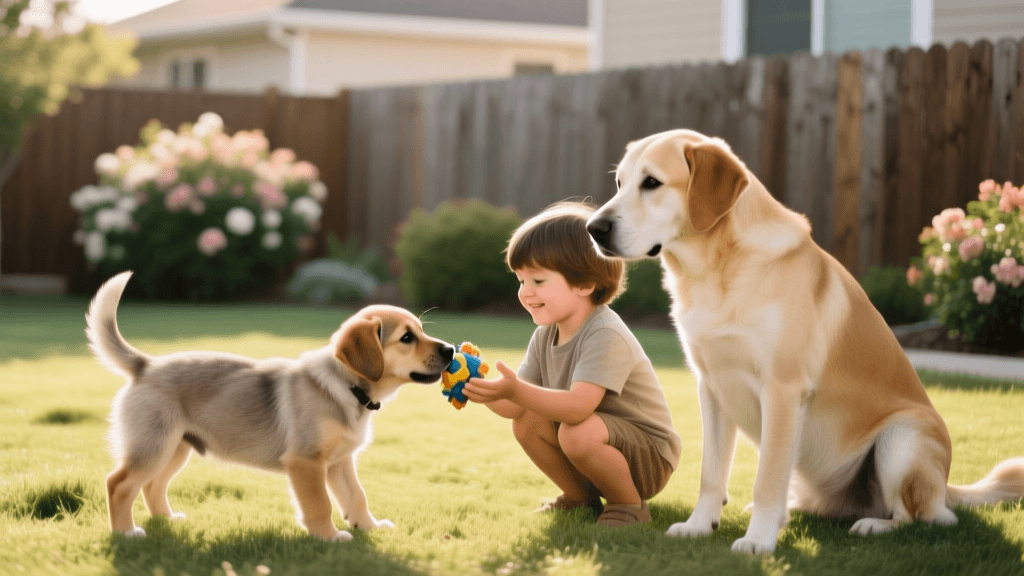
- Host Puppy Playdates: Invite friends who have fully vaccinated, gentle adult dogs to your home or yard for controlled introductions.
- Enroll in Puppy Classes: Find a trainer who requires proof of the first round of vaccines and maintains strict sanitation protocols. Classes usually cost between $150 and $250 for a 6-week course and are invaluable for bite inhibition and early obedience.
Myth 2: Rubbing a Puppy's Nose in Accidents Helps Potty Training
The Myth: If your puppy pees on the rug, rubbing their nose in it and scolding them will teach them not to do it again.
The Fact: Dogs do not possess the associative memory required to connect a past action with a present punishment. By the time you find the accident and react, your puppy only learns that you are unpredictable and scary. This often results in the puppy learning to hide behind furniture to eliminate, rather than learning to hold it or go outside. The ASPCA emphasizes that positive reinforcement and strict management are the only effective methods for house training.
Actionable Advice: The Science-Based Potty Protocol
- Clean with Enzymes: Standard household cleaners do not break down uric acid crystals. Use an enzymatic cleaner like Nature's Miracle Advanced Stain and Odor Eliminator (32 oz, approx. $14) to completely remove the scent markers that attract puppies back to the same spot.
- The Age-to-Hours Rule: A general guideline for bladder control is the puppy's age in months plus one. An 8-week-old (2-month) puppy can hold it for roughly 3 hours maximum, but during active training, take them out every 1.5 to 2 hours.
- Reward Heavily: The second your puppy finishes eliminating outside, throw a 'potty party.' Use high-value treats and enthusiastic praise immediately—not when you get back inside, but right on the grass.
- Crate Training: Utilize a properly sized wire crate. Dogs naturally avoid soiling their sleeping area. Use a Snuggle Puppy Behavioral Aid Toy (approx. $40) with a heartbeat simulator to ease crate anxiety during the first few nights.
Myth 3: Puppies Will 'Grow Out of' Biting and Jumping
The Myth: Mouthing, nipping, and jumping on people are just natural puppy phases that they will magically outgrow as they mature.
The Fact: While the intense need to chew driven by teething subsides around 6 months of age when adult teeth fully erupt, the behavior of biting and jumping will persist if it has been inadvertently rewarded with attention. The American Kennel Club (AKC) notes that puppies explore the world with their mouths, but owners must actively teach bite inhibition and polite greetings to prevent a 10-pound puppy from becoming a 70-pound liability.
Actionable Advice: Redirect and Manage
- The 'Ouch' and Freeze Method: When puppy teeth touch your skin, let out a high-pitched 'Ouch!' and immediately freeze, withdrawing all attention for 10 seconds. This mimics how littermates teach each other bite inhibition.
- Always Have a Redirect Ready: Keep a KONG Puppy Chew Toy (Small/Medium, approx. $9) stuffed with frozen plain yogurt and pumpkin puree in your pocket or nearby. When the puppy gets mouthy, redirect them to the KONG.
- Manage Jumping: Never pet a puppy when their front paws leave the ground. Cross your arms, turn your back, and wait for all four paws to be on the floor before offering affection.
Quick Reference: Puppy Myths vs. Facts Comparison
| The Myth | The Scientific Fact | Actionable Solution |
|---|---|---|
| Wait until 16 weeks to go outside. | Behavioral risks outweigh disease risks if socialized safely. | Use a pet stroller and carry them to public places. |
| Rub their nose in potty accidents. | Dogs cannot associate delayed punishment with past actions. | Use enzymatic cleaners and reward outdoor elimination instantly. |
| Biting and jumping are just phases. | Unmanaged behaviors become ingrained lifelong habits. | Use the freeze method and redirect to frozen KONG toys. |
| Puppies are too young to train. | Puppies are cognitive sponges capable of learning from 8 weeks. | Conduct 3-minute micro-sessions using high-value treats. |
Myth 4: You Cannot Teach Commands Until a Puppy is 6 Months Old
The Myth: Puppies lack the attention span and cognitive ability to learn obedience commands like 'sit', 'stay', or 'recall' until they are older.
The Fact: Puppies are learning from the moment they open their eyes. Waiting until 6 months means you have spent half a year allowing them to practice undesirable behaviors. While their attention spans are short, their ability to form associations is incredibly high. Early training builds neural pathways that make lifelong learning easier.
Actionable Advice: Micro-Training Sessions
- Keep it Short: Limit training sessions to 3 to 5 minutes, multiple times a day. End on a positive note before the puppy gets frustrated or distracted.
- Use High-Value, Low-Calorie Treats: Opt for soft, smelly treats that can be consumed in one bite, such as Zuke's Mini Naturals Training Treats (6 oz, approx. $8). You want the puppy focused on the next rep, not chewing a hard biscuit.
- Capture Calmness: Training isn't just about active commands. Reward your puppy with a treat dropped quietly on their bed whenever they choose to settle down on their own. This teaches them that calmness is a highly rewarding default behavior.
Conclusion: Setting the Foundation for a Happy Life
The first year of your puppy's life requires patience, consistency, and a willingness to look past outdated folklore. By embracing science-backed methods for socialization, potty training, and early obedience, you are not just teaching your dog rules; you are building a foundation of trust and confidence. Remember that every interaction is a training opportunity. Equip yourself with the right tools—from enzymatic cleaners to puzzle toys—and rely on the guidance of certified veterinary behaviorists and positive-reinforcement trainers. Your puppy's future well-being depends on the facts you apply today.
tom-renshaw
All our authors care for dogs every day — read more of their work on the authors page.