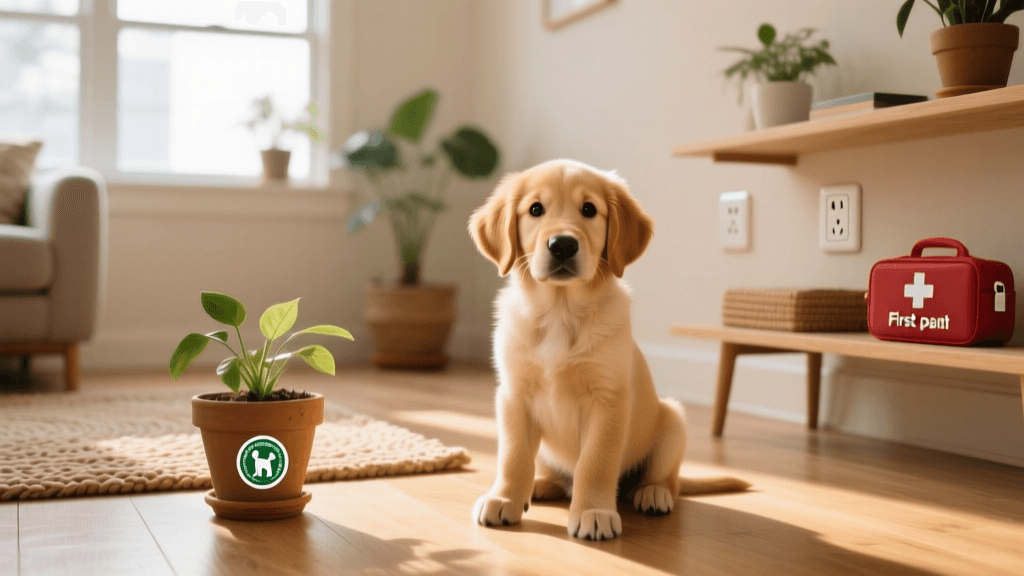
Puppy-Proofing Your Home: The Ultimate Room-by-Room Guide
Learn how to puppy-proof your home with our room-by-room safety guide. Discover essential products, toxic hazards, and tips to keep your puppy safe.

Bringing Home a Puppy: Why Puppy-Proofing is Non-Negotiable
Bringing a new puppy into your home is an undeniably joyous occasion, filled with wagging tails, clumsy paws, and endless cuddles. However, beneath that adorable exterior lies a relentless explorer equipped with sharp teeth and an insatiable curiosity. Puppies experience the world primarily through their mouths, and during the teething phase—which typically peaks between three and six months of
Failing to properly prepare your living space can lead to emergency veterinary visits, costly surgeries, and tragic accidents. According to pet poison helplines, thousands of dogs are treated annually for ingesting household toxins, foreign bodies, and toxic flora. To ensure your furry friend thrives, you must view your home from a completely different perspective: get down on your hands and knees. By adopting the '3-Foot Rule'—securing everything from the floor up to three feet high—you can create a sanctuary that encourages safe exploration. Below is our comprehensive, room-by-room guide to puppy-proofing your home, complete with specific product recommendations, measurements, and cost estimates.
The Kitchen: Navigating the Highest Risk Zone
The kitchen is arguably the most dangerous room in the house for a curious puppy. Between dropped food, accessible trash, and toxic cleaning supplies, the hazards are plentiful. Your first line of defense is securing your lower cabinets. Puppies can easily learn to nudge open standard cabinet doors with their paws or snouts. Invest in a high-quality magnetic cabinet locking system, such as the Safety 1st Magnetic Locking System. These locks are installed inside the cabinet and require a magnetic key to open, ensuring your puppy cannot access bleach, dishwasher pods, or floor cleaners. Expect to spend around $25 to $35 for a comprehensive kit that secures multiple cabinets.
Next, address the trash can. A knocked-over garbage bin is a recipe for 'dietary indiscretion,' which can lead to severe gastrointestinal blockages or pancreatitis from fatty food scraps. Ditch the swing-top or open bins and invest in a heavy-duty, step-operated trash can with a secure latch. The Simplehuman 13-Gallon Step Trash Can is a favorite among dog owners because its weighted base and locking lid prevent even the most determined puppies from foraging. Place the bin in a corner or inside a secured pantry if possible.
Finally, be hyper-vigilant about dropped human foods. Ingredients like grapes, raisins, macadamia nuts, and onions are highly toxic to dogs. However, one of the most insidious dangers is xylitol, an artificial sweetener found in sugar-free gum, peanut butter, and baked goods. Even a tiny amount can cause rapid hypoglycemia and acute liver failure in dogs. The FDA warns extensively about xylitol toxicity in dogs, urging owners to check every ingredient label before sharing a snack. Keep all sugar-free products in upper cabinets well beyond your puppy's jumping reach.
The Living Room: Electrical Hazards and Toxic Flora
The living room is where you and your puppy will spend most of your downtime, but it is also a labyrinth of electrical cords and decorative hazards. Puppies love the texture and resistance of rubber and plastic wiring, but chewing on a plugged-in lamp or television cord can result in fatal electrocution or severe oral burns. To mitigate this, use split loom tubing or flexible cord concealers. A 3/8-inch diameter split loom tubing, easily found at hardware stores for under $20, can encase multiple wires, making them unappealing and difficult to bite through. For cords that cannot be hidden behind furniture, use adhesive cord channels to secure them flush against the baseboards.
Houseplants are another major living room hazard. Many popular decorative plants are highly toxic to canines. The Sago Palm, for instance, is incredibly lethal; ingestion of even a single seed can cause fatal liver failure. Other common offenders include the Peace Lily, Pothos, and Oleander. Before bringing any new greenery into your home, cross-reference it with the ASPCA's comprehensive Toxic and Non-Toxic Plants list. If you already own toxic plants, relocate them to high, hanging planters or rooms that are strictly off-limits via baby gates. Alternatively, switch to pet-safe alternatives like the Spider Plant, Boston Fern, or Calathea.
Small decorative items, remote controls, and children's toys must also be swept up daily. A swallowed coin, button battery, or small plastic piece can cause a life-threatening intestinal obstruction. Button batteries are particularly dangerous, as they can burn through the esophageal or stomach lining in a matter of hours. Establish a strict 'clear the floor' routine in your household to ensure these items are stored in closed bins or high drawers.
Bathrooms and Bedrooms: Hidden Dangers
Bathrooms present unique risks, primarily centered around water and medication. Always keep the toilet lid closed. Puppies may try to drink from the bowl, which poses a drowning risk for very small breeds, but more importantly, toilet water often contains residue from blue cleaning tablets or bleach, which are highly caustic and toxic if ingested. Store all medications, including over-the-counter painkillers like ibuprofen and acetaminophen, in high, latched medicine cabinets. Never leave vitamins or supplements on the bathroom counter, as puppies can easily knock them down and consume them like treats.
In the bedroom, the primary culprits are shoes, socks, and laundry. Swallowed socks and underwear are among the most common foreign bodies removed surgically from puppies. The fabric can bunch up in the intestines, requiring an emergency enterotomy that can cost upwards of $3,000 to $5,000. Invest in a hamper with a secure, latching lid, and train yourself to never leave shoes or slippers on the floor. If you have a walk-in closet, consider using a pressure-mounted baby gate to block access to your wardrobe entirely.
Establishing a Safe 'Puppy Zone'
No matter how thoroughly you puppy-proof, you cannot supervise your dog 24/7. This is where establishing a dedicated 'Puppy Zone' becomes crucial. This area should be a safe, confined space where your puppy can relax, chew on appropriate toys, and sleep without the risk of getting into trouble. An exercise pen (or playpen) is an excellent investment. Look for a heavy-duty wire playpen with vertical bars spaced no more than 2.5 inches apart to prevent head entrapment. A standard 8-panel, 24-inch-high pen provides 16 square feet of safe space and costs around $50 to $70.
Inside this zone, place a properly sized crate. A crate should be large enough for your puppy to stand up, turn around, and lie down comfortably, but not so large that they can use one end as a bathroom. For growing puppies, purchase a crate with an adjustable divider panel. As a general measurement rule, add two to four inches to your puppy's current length (from the tip of the nose to the base of the tail) and height (from the floor to the top of the head or ears, whichever is taller) to find the ideal interior dimensions. Fill the zone with safe, durable chew toys like the Kong Classic, which can be stuffed with puppy-safe peanut butter and frozen to soothe teething gums.
Essential Puppy-Proofing Gear and Cost Breakdown
To help you budget for your home preparation, we have compiled a structured list of essential puppy-proofing products, their specific purposes, and average market costs. Investing in these items upfront will save you thousands of dollars in potential veterinary bills and property damage.
| Item | Primary Purpose | Estimated Cost |
|---|---|---|
| Hardware-Mounted Baby Gate | Block access to stairs and high-risk rooms | $45 - $85 |
| Split Loom Cord Protector | Prevent electrocution and wire chewing | $15 - $25 |
| Magnetic Cabinet Locks | Secure cleaning chemicals and medications | $25 - $35 |
| Heavy-Duty Step Trash Can | Prevent dietary indiscretion and foraging | $70 - $130 |
| Enzymatic Stain & Odor Remover | Eliminate potty accident pheromones | $15 - $25 |
| Wire Exercise Playpen | Create a supervised, safe confinement zone | $50 - $80 |
| Bitter Apple Deterrent Spray | Discourage chewing on baseboards and furniture | $10 - $15 |
Final Thoughts on Ongoing Vigilance
Puppy-proofing is not a one-time chore; it is an ongoing lifestyle adjustment. As your puppy grows, their reach, jumping ability, and problem-solving skills will expand. A gate that contained your eight-week-old Labrador might be easily vaulted by the time they are four months old. Regularly reassess your environment, upgrade to hardware-mounted gates for stairs, and remain vigilant about leaving items on countertops. For a comprehensive directory of emergency contacts and toxic substances, always keep the ASPCA Animal Poison Control Center number saved in your phone. By taking these proactive, detailed steps, you are not just protecting your home—you are laying the foundation for a safe, stress-free, and joyous life with your new best friend.
robin-maitland
All our authors care for dogs every day — read more of their work on the authors page.