Puppy Poisoning Emergencies: First Aid and Prevention Guide
Learn how to puppy-proof your home against toxins, build a pet first aid kit, and handle poisoning emergencies with our actionable safety guide.
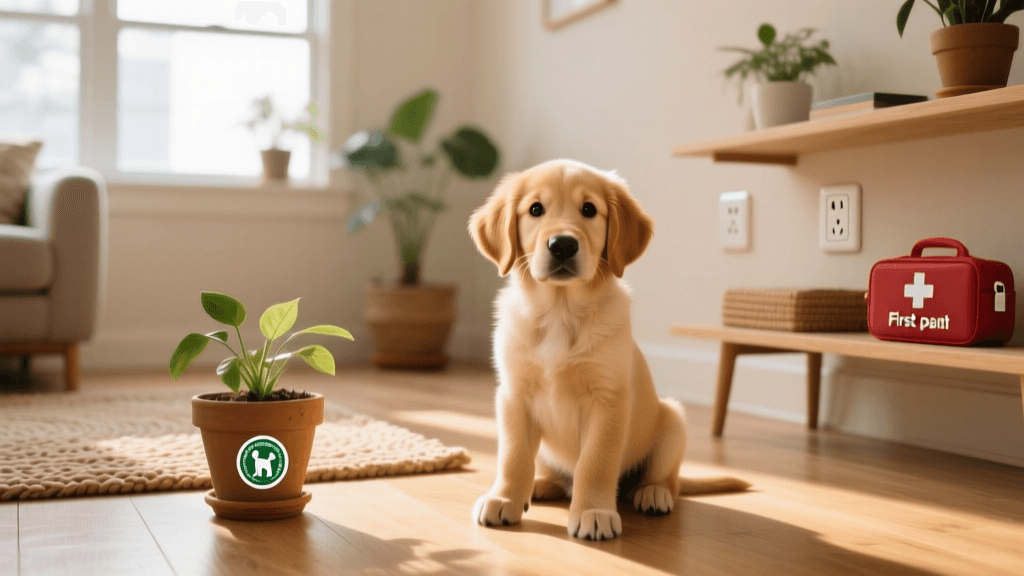
Why Puppies Are at High Risk for Toxin Ingestion
Puppies are notorious for exploring their environment with their mouths. During their first year, teething discomfort and natural curiosity drive them to chew on baseboards, swallow dropped pills, and lick up sweet-tasting spills. Unfortunately, this developmental phase puts them at an exceptionally high risk for accidental poisoning. According to the ASPCA Animal Poison Control Center, tens of thousands of pets are exposed to toxic substances every year, with young, inquisitive puppies making up a significant portion of these emergency cases.
As a responsible dog owner, preparing for a toxin emergency before it happens is critical. A delayed response or improper first aid can turn a manageable situation into a fatal one. This comprehensive emergency and safety guide will walk you through building a specialized puppy first aid kit, identifying common household hazards, and executing a step-by-step action plan if your puppy ingests something toxic.
The Ultimate Puppy First Aid Kit for Toxin Emergencies
While a standard human first aid kit is useful for minor scrapes, a puppy-specific kit requires specialized tools for toxin management. The American Kennel Club recommends keeping a dedicated pet first aid kit in an easily accessible location. Here is exactly what you need for a toxin-focused emergency kit, along with estimated costs and specific product recommendations:
- 3% Hydrogen Peroxide ($5 - $8): Essential for inducing vomiting. Never use concentrations higher than 3%, as they can cause severe internal tissue damage and hemorrhaging. Check the expiration date every six months.
- Plastic Oral Syringes or Turkey Baster ($4 - $6): Used to safely administer hydrogen peroxide or liquid activated charcoal into the side of the puppy's mouth without causing aspiration.
- Activated Charcoal Powder ($10 - $15): Binds to toxins in the gastrointestinal tract to prevent absorption. Only use under direct veterinary instruction.
- Digital Pet Thermometer ($12 - $20): To monitor for shock or fever post-ingestion. Normal puppy temperature ranges from 101.0°F to 102.5°F.
- Saline Eye Wash ($6 - $9): For flushing out chemical splashes or toxic powders from the eyes.
- Dawn Dish Soap (Original Blue) ($4 - $6): The gold standard for bathing a puppy that has had topical exposure to oils, pesticides, or harsh chemicals.
- Emergency Contact Sheet (Free): Laminated card with your primary vet, nearest 24-hour emergency clinic, and the Pet Poison Helpline (855-764-7661).
Total Estimated Kit Cost: $41 - $70. Keep this kit in a locked cabinet that you can access quickly, but your puppy cannot.
Common Household Toxins and Danger Levels
Understanding the threshold of toxicity is vital. A substance that causes mild upset in a 70-pound adult dog can be lethal to a 10-pound puppy. Below is a structured comparison chart of the most frequent household toxins, their danger levels, and primary symptoms.
| Toxin Category | Specific Hazard | Toxic Threshold (10 lb Puppy) | Onset Time | Primary Symptoms |
|---|---|---|---|---|
| Sugar Alcohols | Xylitol (Gum, Peanut Butter) | 50 mg/kg (approx. 1 piece of gum) | 10 - 60 mins | Hypoglycemia, seizures, liver failure |
| Foods | Dark/Baker's Chocolate | 1 oz of Baker's chocolate | 1 - 4 hours | Hyperactivity, tremors, arrhythmias |
| Chemicals | Ethylene Glycol (Antifreeze) | 1 - 2 tablespoons | 30 mins - 12 hrs | "Drunken" gait, vomiting, acute kidney failure |
| Plants | Sago Palm (Cycad) | 1 - 2 seeds | 15 mins - several hrs | Vomiting, melena, severe hepatotoxicity |
| Medications | Ibuprofen (Advil/Motrin) | 1 standard 200mg tablet | 2 - 6 hours | Gastric ulcers, acute renal failure |
For a deep dive into specific ingredients, the Pet Poison Helpline maintains an extensive, frequently updated database of toxic ingredients, particularly highlighting the severe dangers of xylitol, which is increasingly common in modern sugar-free pantry items.
Step-by-Step Emergency Action Plan
If you witness your puppy ingesting a toxin, or find evidence of a chewed-up toxic substance, panic is your worst enemy. Follow this precise protocol:
Step 1: Identify and Isolate (Minutes 0-5)
Immediately remove the puppy from the area to prevent further ingestion. Secure the remaining toxin, packaging, and any vomit. The packaging contains vital information regarding the concentration of active ingredients and the exact weight of the product, which the poison control center will need to calculate a precise treatment plan.
Step 2: Call the Experts (Minutes 5-15)
Do not wait for symptoms to appear. Call your emergency vet or the ASPCA Animal Poison Control Center. Have the following information ready:
- Puppy's exact weight in pounds/kilograms.
- Breed and age.
- Name and active ingredient of the suspected toxin.
- Estimated amount ingested and time of ingestion.
Important Safety Warning: Never induce vomiting unless explicitly instructed to do so by a veterinary professional. Inducing vomiting after the ingestion of caustic substances (like bleach or battery acid) or petroleum distillates can cause severe esophageal burns or fatal aspiration pneumonia.
Step 3: Inducing Vomiting (Only When Instructed)
If the poison control expert or your vet advises you to induce vomiting at home using 3% hydrogen peroxide, the standard dosage is 1 teaspoon (5 ml) per 5 pounds of body weight, up to a maximum of 3 tablespoons. Administer the peroxide using a plastic syringe aimed at the cheek pouch. Vomiting should occur within 10 to 15 minutes. If it does not, you may repeat the dose once. If vomiting still does not occur, transport the puppy to the emergency vet immediately.
Step 4: Transport to the Emergency Clinic
Even if your puppy successfully vomits the toxin, veterinary evaluation is mandatory. The vet may need to administer prescription anti-emetics, intravenous fluids to protect the kidneys, and medical-grade activated charcoal to bind any remaining toxins in the lower GI tract.
Room-by-Room Puppy-Proofing Checklist
Prevention is vastly superior to emergency intervention. Puppy-proofing requires viewing your home from floor level. Here are specific measurements and actionable steps for the most dangerous rooms in your house.
The Kitchen
- Cabinet Locks: Install magnetic or spring-loaded childproof latches on all lower cabinets, especially those housing cleaning supplies or trash cans.
- Food Storage: Never leave grapes, raisins, onions, or macadamia nuts on low counters. Puppies can easily jump onto chairs and access counter heights of 36 inches.
- Trash Cans: Use a heavy, pedal-operated trash can with a locking lid, or store the bin entirely inside a latched cabinet.
The Bathroom
- Medications: Never store human medications in low baskets or leave them on the edge of the sink. A dropped pill resembling a treat can be fatal.
- Toilet Lids: Keep toilet lids closed and use a lid lock if you use automatic toilet bowl cleaners, as the water is highly toxic.
- Essential Oils: Store liquid potpourri and essential oils (like tea tree and eucalyptus) on high shelves. Ingestion or even heavy topical exposure can cause central nervous system depression.
The Garage and Yard
- Antifreeze Spills: Clean up any automotive spills immediately. Switch to a propylene glycol-based antifreeze, which is significantly less toxic to pets than ethylene glycol.
- Rodenticides: Avoid using rat poison entirely. Puppies can easily ingest the poison directly or suffer secondary poisoning by eating a rodent that consumed the bait. Use snap traps placed inside PVC pipes where the puppy cannot reach.
- Fertilizers and Cocoa Mulch: Keep puppies off treated lawns for at least 48 hours after chemical application. Avoid cocoa bean mulch entirely, as it contains the same toxic theobromine found in chocolate.
When to Rush to the Emergency Vet
Some symptoms indicate that a toxin has already entered the bloodstream and is causing systemic organ damage. Do not attempt home first aid and drive to the nearest open veterinary hospital immediately if your puppy exhibits any of the following red-flag symptoms:
- Uncontrollable vomiting or diarrhea with blood.
- Pale, white, or bluish gums (indicating shock or internal bleeding).
- Seizures, muscle tremors, or severe ataxia (loss of coordination).
- Extreme lethargy, unresponsiveness, or sudden collapse.
- Difficulty breathing or excessive panting.
Navigating the first year of a puppy's life requires vigilance, but by maintaining a well-stocked first aid kit, memorizing emergency protocols, and rigorously puppy-proofing your home, you can drastically reduce the risk of a tragic accident. Keep your emergency numbers saved in your phone today, and ensure every member of your household knows exactly where the 3% hydrogen peroxide is stored.
tom-renshaw
All our authors care for dogs every day — read more of their work on the authors page.