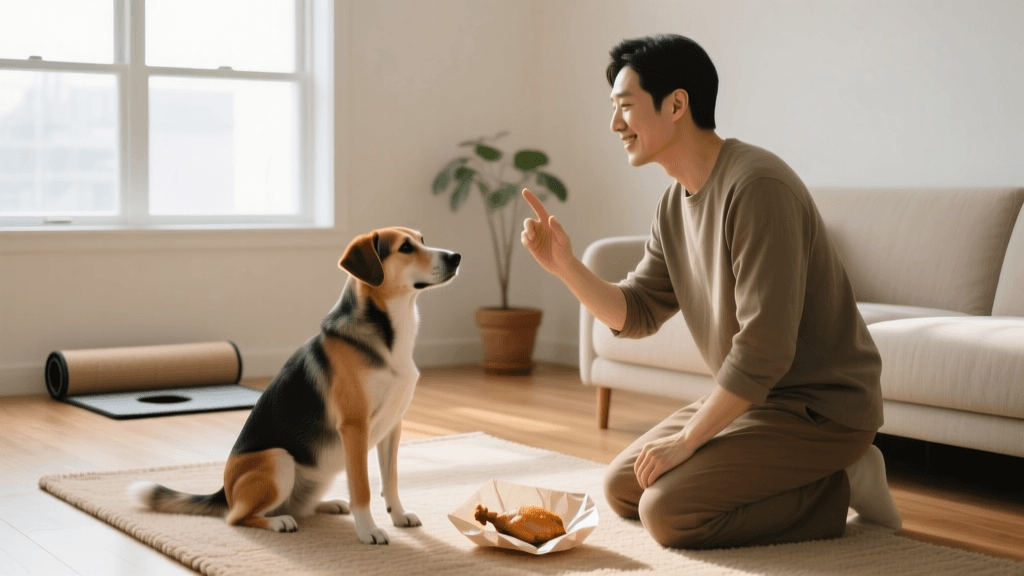
Puppy-Proofing Your Home for Potty and Boundary Training
Learn how to puppy-proof your home for successful potty and boundary training. Discover essential dog-proofing tips, safe zones, and gear for your pet.

Why Your Home Environment Dictates Training Success
When bringing a new puppy or rescue dog into your home, the instinct is to immediately begin obedience training. However, professional dog trainers and veterinary behaviorists universally agree that environmental management is the crucial first step. A dog cannot learn proper indoor boundaries if the environment constantly sets them up for failure. Puppy-proofing and dog-proofing your living space is not merely about protecting your belongings; it is an active, foundational component of behavioral conditioning, potty training, and boundary enforcement.
By controlling the physical space, you remove the opportunity for unwanted behaviors like destructive chewing, indoor elimination, and counter-surfing. This concept, known in animal behaviorism as antecedent arrangement, ensures that the only choices available to your dog are the correct ones. In this comprehensive guide, we will explore how to systematically dog-proof your home to support your training goals, complete with specific product recommendations, measurements, and timelines.
The Core Philosophy: Management Before Training
Management involves altering your home environment to prevent unwanted behaviors from occurring in the first place. Training, on the other hand, involves teaching the dog what you want them to do instead. If a puppy has access to your favorite leather shoes and chews them, they have just been rewarded by the satisfying texture of the leather. Every time an unwanted behavior is rehearsed and rewarded, it becomes more deeply ingrained in the dog's neural pathways. Therefore, strict environmental management must precede active training.
Room-by-Room Dog-Proofing Checklist
The Kitchen: Securing Trash and Toxic Foods
The kitchen is ground zero for counter-surfing and dietary indiscretions. Dogs are opportunistic scavengers, and the scent of human food is a powerful motivator. To support boundary training, you must eliminate the reward of scavenging. Invest in a heavy-duty, step-on trash can with a locking lid, or install a pull-out trash bin inside a lower cabinet. Use childproof latches on cabinets containing cleaning supplies or human snacks. Never leave food unattended on countertops or tables during the first six months of your dog's life. This strict management prevents the dog from ever learning that jumping on counters yields high-value rewards.
The Living Room: Cord Management and Furniture Boundaries
Chewing on electrical cords is not only a costly habit but a lethal one. Use split-loom tubing or flexible cable concealers to bundle and hide all loose wires behind your entertainment center and desk. For furniture boundaries, if you do not want your dog on the couch, you must manage the space when you are not actively supervising. Place aluminum foil, double-sided sticky tape, or specialized pet deterrent mats like the PetSafe SSSCAT Pet Deterrent on the furniture. These harmless but startling textures teach the dog that the furniture is an unappealing place to rest, reinforcing your verbal 'off' commands.
The Bathroom: Medications and Cleaning Supplies
Medications, especially NSAIDs, antidepressants, and vitamins, are leading causes of pet poisoning. Never leave pill bottles on the edge of the sink or counter. Install magnetic childproof locks on all lower bathroom cabinets. Additionally, ensure that toilet lids are always closed, especially if you use automatic drop-in toilet bowl cleaners, which are highly toxic if ingested. Keeping the bathroom door closed or using a tall baby gate at the doorway is the most effective way to manage this high-risk zone.
Creating the Ultimate Safe Zone for Potty Training
Potty training relies heavily on a dog's natural instinct not to soil their sleeping area. To harness this instinct, you must create a properly sized 'safe zone' or sanctuary. According to the Humane Society's crate training guidelines, a crate should be large enough for the dog to stand up, turn around, and lie down comfortably, but no larger. If the crate is too large, the dog may eliminate in one corner and sleep in the other, completely undermining your potty training efforts.
For a medium-sized breed that will grow to 50 pounds, purchase a 36-inch crate (such as the MidWest Homes for Pets iCrate) that includes a movable divider panel. This allows you to expand the living space as the puppy grows without sacrificing the den-like security required for bladder control. Pair the crate with a wire exercise playpen (typically 8 panels, 24 inches high) to create a larger containment area when you cannot provide direct eye contact. Place the crate inside the playpen with the door open, and use the remaining space for water and a designated indoor potty pad if you are utilizing pad-training for high-rise apartment living.
Essential Dog-Proofing and Training Gear
To effectively dog-proof your home and support your training goals, you will need specific tools. Below is a breakdown of essential gear, including estimated costs and primary uses.
| Item | Primary Training Purpose | Estimated Cost |
|---|---|---|
| Hardware-Mounted Baby Gate | Blocking off-limit rooms and stairways for boundary training. | $45 - $80 |
| Enzymatic Cleaner (e.g., Nature's Miracle) | Eliminating urine pheromones to prevent repeat potty accidents. | $15 - $25 |
| Bitter Apple Spray (e.g., Grannick's) | Deterring chewing on baseboards, furniture legs, and wires. | $10 - $15 |
| Wire Crate with Divider Panel | Leveraging den instincts for bladder control and safe confinement. | $50 - $90 |
| Pet Camera (e.g., Furbo or Wyze) | Monitoring separation anxiety and catching unwanted behaviors remotely. | $30 - $150 |
Boundary Training: Teaching Indoor Limits
Once your home is physically secured, you can begin active boundary training. Boundary training teaches your dog which areas of the house are off-limits, such as the nursery, the home office, or the front doorway. Start by installing pressure-mounted baby gates at the thresholds of these rooms. Allow your dog to approach the gate, and the moment they pause or look back at you, mark the behavior with a clicker or a verbal 'yes' and toss a high-value treat away from the gate. This builds a positive association with stepping away from the boundary.
Next, practice the 'Leave It' command near open thresholds. Drop a low-value treat on the floor near the doorway and cover it with your hand. When the dog stops sniffing your hand and makes eye contact, reward them with a high-value treat from your other hand. Gradually increase the difficulty by leaving the treat uncovered and eventually practicing with the baby gate removed entirely. This process, known as proofing, typically takes two to four weeks of daily, five-minute sessions to solidify. Remember to use an enzymatic cleaner like Nature's Miracle Advanced Stain and Odor Eliminator anywhere your dog has previously had an accident, as standard household cleaners often leave behind ammonia residues that smell like urine to a dog's sensitive nose, inviting repeat offenses.
Hidden Dangers: Toxic Plants and Foods
Even with rigorous supervision, dogs are adept at finding dropped items or nibbling on household greenery. Many common houseplants and human foods are highly toxic to canines. For example, sago palms, lilies, and pothos can cause severe gastrointestinal distress, liver failure, or neurological damage. Similarly, foods like xylitol (found in sugar-free gum and peanut butter), grapes, raisins, onions, and macadamia nuts can be fatal even in small quantities. Always consult the ASPCA Toxic and Non-Toxic Plants list before bringing new foliage into your home, and review their comprehensive guide on people foods that are dangerous to pets. Store all hazardous items in upper cabinets or behind locked doors, ensuring that your training environment is completely free of biological landmines.
Establishing a Routine for Long-Term Success
Consistency is the bedrock of all canine training. A dog-proofed home allows you to establish a predictable daily routine without the constant stress of emergency interventions. Puppies generally need to eliminate outdoors every one hour for every month of their age. An eight-week-old puppy needs a potty break every two hours, including overnight. By utilizing a properly sized crate and a structured playpen, you can align your dog's biological clock with your household schedule. Over time, as your dog demonstrates reliable bladder control and respects indoor boundaries, you can gradually expand their access to the home, one room at a time. Ultimately, a well-managed environment sets the stage for a confident, well-behaved dog who understands exactly what is expected of them in their indoor sanctuary.
marcus-aldridge
All our authors care for dogs every day — read more of their work on the authors page.