Early-Onset Puppy Osteoarthritis Treatment Guide 2026
Discover 2026 veterinary treatments, joint supplements, and lifestyle adjustments for managing early-onset osteoarthritis and dysplasia in puppies.
Understanding Early-Onset Osteoarthritis in Puppies
When most dog owners hear the term osteoarthritis (OA), they immediately picture a senior dog struggling to climb the stairs. However, as a crucial aspect of comprehensive puppy care, managing early-onset canine osteoarthritis is becoming increasingly prevalent in modern veterinary medicine. In 2026, veterinary orthopedic specialists emphasize that OA is not exclusively an age-related disease; it is a progressive, lifelong condition that can begin in the first few months of a puppy's life. Early-onset OA in puppies is almost always secondary to Developmental Orthopedic Diseases (DOD), such as hip dysplasia, elbow dysplasia, or osteochondritis dissecans (OCD). When a puppy's joints do not form correctly, the abnormal biomechanical stress leads to premature cartilage degradation, joint inflammation, and chronic pain during their critical first year of growth.
Addressing juvenile osteoarthritis requires a delicate balance. Unlike adult dogs, puppies are still growing, meaning their growth plates are open and their organs are still maturing. This makes standard adult OA treatments potentially hazardous if not carefully calibrated. According to the Cornell University College of Veterinary Medicine, early intervention is the single most important factor in slowing the progression of joint degeneration and ensuring a puppy reaches adulthood with a high quality of life. This comprehensive 2026 guide explores the safest, most effective treatments, nutritional strategies, and environmental modifications for puppies battling early-onset osteoarthritis.
Recognizing the Subtle Signs of Juvenile Joint Pain
Puppies are notoriously stoic and energetic, which can mask the early signs of joint pain. Because they are still learning how to navigate their bodies, owners often dismiss early OA symptoms as clumsiness or normal puppy behavior. To intervene early, you must know what to look for during your puppy's first year. Key indicators of juvenile joint discomfort include:
- The Bunny Hop Gait: Instead of moving their hind legs independently, the puppy uses both back legs simultaneously when running or trotting.
- Reluctance to Jump or Climb: Hesitation before jumping onto the couch, into the car, or navigating stairs.
- Exercise Intolerance: Lagging behind on walks, sitting down frequently during play, or tiring much faster than littermates.
- Vocalization or Flinching: Whining, yelping, or snapping when picked up, especially when handling the hips or elbows.
- Stiffness After Rest: Difficulty rising from a nap, which improves slightly after they move around for a few minutes.
If you observe any of these signs, schedule an orthopedic evaluation with your veterinarian immediately. Early diagnostic imaging, such as PennHIP evaluations for hip laxity, can predict the likelihood of dysplasia and subsequent OA as early as 16 weeks of age.
2026 Veterinary Treatment Protocols for Puppies
Managing OA in a growing puppy requires a multimodal approach. Veterinarians in 2026 rely on a combination of pharmacological, regenerative, and physical therapies tailored specifically to juvenile physiology.
Pharmacological Interventions
Non-Steroidal Anti-Inflammatory Drugs (NSAIDs) like carprofen and meloxicam remain the cornerstone of pain management. However, because puppies have developing livers and kidneys, veterinary protocols in 2026 emphasize the lowest effective dose for the shortest possible duration, coupled with routine blood work to monitor organ function. For puppies with severe, congenital joint laxity, veterinarians may also utilize Pentosan Polysulfate Sodium (PPS), an injectable disease-modifying osteoarthritis drug (DMOAD) that improves cartilage health and joint lubrication without the systemic risks associated with daily NSAIDs.
Regenerative Medicine and Biologics
One of the most exciting advancements in 2026 puppy orthopedic care is the use of regenerative medicine. Platelet-Rich Plasma (PRP) and autologous stem cell therapy are increasingly being used off-label by veterinary specialists to treat juvenile OCD lesions and severe dysplasia. These biologics harness the puppy's own healing factors to reduce intra-articular inflammation and promote tissue repair, offering a safer long-term alternative to chronic pain medications for growing dogs.
Nutritional Support and Joint Supplements
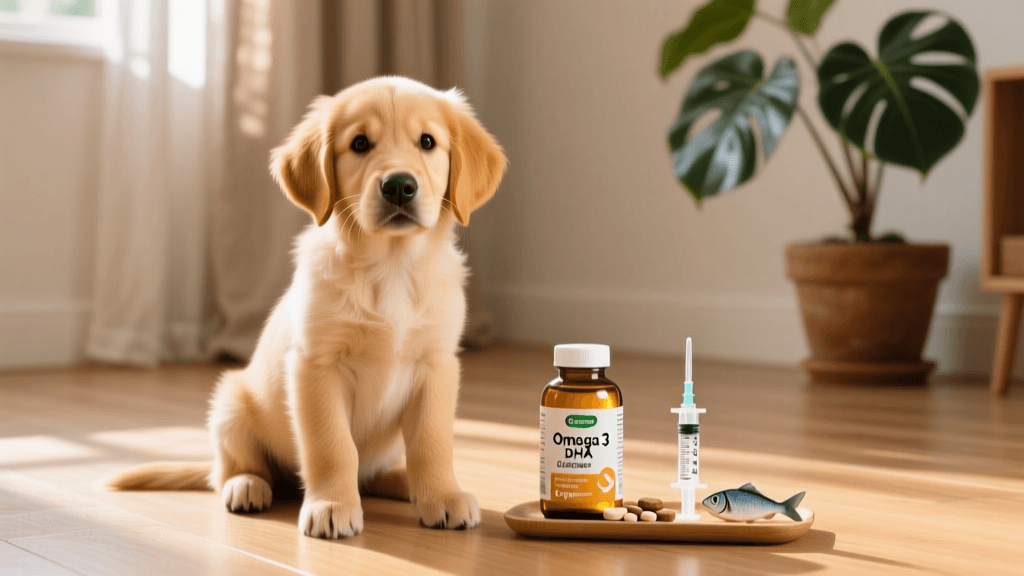
Nutraceuticals play a massive role in supporting joint health from the inside out. The American Kennel Club notes that while supplements cannot cure structural dysplasia, they are vital for reducing inflammatory markers within the synovial fluid. When selecting a joint supplement for a puppy, it is crucial to choose products formulated specifically for growing dogs, as excessive calcium or certain fat-soluble vitamins can worsen developmental orthopedic diseases.
| Active Ingredient | Primary Benefit for Puppies | 2026 Recommended Form |
|---|---|---|
| EPA/DHA (Omega-3s) | Potent natural anti-inflammatory; reduces joint swelling. | Wild-caught Alaskan Salmon Oil or Green-Lipped Mussel powder. |
| Glucosamine HCl | Provides building blocks for glycosaminoglycan synthesis in cartilage. | Chewable soft chews with added Vitamin C for absorption. |
| UC-II (Undenatured Type II Collagen) | Modulates the immune system to prevent it from attacking joint cartilage. | Micro-dosed daily capsules (highly effective at low doses). |
| Hyaluronic Acid | Increases the viscosity of synovial fluid, improving joint lubrication. | Oral liquid pumps designed for precise puppy weight dosing. |
Always consult your veterinarian before introducing new supplements, as some human-grade joint formulas contain xylitol or grape seed extract, both of which are highly toxic to dogs.
Weight Management and Large Breed Puppy Diets
There is no single more effective, non-medical treatment for early-onset OA than strict weight management. Excess body fat does not just add mechanical stress to fragile, developing joints; adipose tissue is biologically active and secretes pro-inflammatory cytokines that exacerbate joint pain. In 2026, veterinary nutritionists recommend keeping puppies with known joint issues on the lean side of the body condition score (BCS) scale—ideally a 4 out of 9.
For large and giant breed puppies predisposed to dysplasia, feeding a diet specifically formulated for large breed growth is non-negotiable. These diets maintain a strict calcium-to-phosphorus ratio (typically between 1.1:1 and 1.4:1) and restrict caloric density to prevent rapid growth spurts. Rapid bone growth outpaces the development of supporting soft tissues, leading to joint instability. Brands like Purina Pro Plan Large Breed Puppy and Royal Canin Giant Puppy remain the gold standards recommended by veterinary orthopedic surgeons this year.
Environmental Modifications and Physical Therapy
Creating a joint-friendly environment is a critical component of your puppy's daily care routine. Slippery surfaces like hardwood, tile, and laminate floors are the enemy of dysplastic puppies. The micro-slips and slides force the puppy's stabilizing muscles to work overtime, leading to fatigue and joint strain. In 2026, the standard recommendation is to cover high-traffic areas and play zones with interlocking foam mats or low-pile, slip-resistant area rugs.
Additionally, investing in an orthopedic puppy bed with high-density memory foam ensures that your puppy's joints are not bearing weight against hard floors while they sleep. Beds with bolstered edges also provide neck and spinal support, promoting proper alignment.
Finally, canine physical rehabilitation is no longer just for post-surgical adults. Certified canine rehabilitation therapists (CCRTs) utilize controlled hydrotherapy, such as underwater treadmills, to build the stabilizing muscle mass around a puppy's hips and elbows without subjecting the joints to concussive impact. Controlled leash walking, avoiding high-impact activities like frisbee or agility jumping until growth plates close (usually between 14 to 18 months), and incorporating gentle range-of-motion exercises at home will give your puppy the best possible foundation for a pain-free, active life.
Conclusion
Receiving a diagnosis of early-onset osteoarthritis or developmental joint disease in your puppy can be overwhelming. However, with the advanced veterinary protocols, targeted nutrition, and environmental strategies available in 2026, a diagnosis is no longer a sentence to a life of chronic pain. By partnering closely with your veterinarian and committing to proactive, daily joint care, you can help your puppy grow into a strong, happy, and mobile adult dog.
tom-renshaw
All our authors care for dogs every day — read more of their work on the authors page.