Best Omega-3 Supplements for Puppies in 2026: DHA Dosing Guide
Discover the best Omega-3 and DHA supplements for puppies in 2026. Learn exact dosing, brain development benefits, and top liquid vs. chew picks.
The Critical Role of Omega-3 in Puppy Development
The first year of your puppy’s life is a period of explosive growth, rapid learning, and crucial physical development. While high-quality puppy food provides the foundational macronutrients required for bone and muscle growth, certain micronutrients and fatty acids require targeted supplementation to reach their full potential. In 2026, veterinary nutritionists and canine developmental experts overwhelmingly point to Omega-3 fatty acids—specifically Docosahexaenoic Acid (DHA) and Eicosapentaenoic Acid (EPA)—as one of the most vital additions to a growing puppy’s diet.
Omega-3s are essential fatty acids, meaning a dog's body cannot synthesize them efficiently on its own; they must be obtained through diet. For puppies, the stakes are incredibly high. The canine brain reaches approximately 80% of its adult weight by the time a puppy is six months old. During this critical window, DHA acts as a primary structural component of the cerebral cortex and the retina. Puppies that receive adequate DHA during their first year consistently demonstrate improved cognitive function, better trainability, and enhanced visual acuity compared to those with deficient diets.
According to nutritional guidelines supported by the World Small Animal Veterinary Association (WSAVA), ensuring the correct ratio of Omega-3 to Omega-6 fatty acids is essential for modulating inflammation and supporting the developing immune system. However, not all Omega-3 supplements are created equal, and dosing a growing puppy requires precision to avoid gastrointestinal upset or developmental imbalances.
DHA vs. EPA: What Your Puppy Actually Needs
When shopping for Omega-3 supplements in 2026, you will notice two primary active ingredients listed on the label: DHA and EPA. While both are beneficial, they serve distinctly different roles in a puppy’s body.
- DHA (Docosahexaenoic Acid): This is the superstar for puppies. DHA is heavily concentrated in the brain, spinal cord, and eyes. It facilitates the creation of neural pathways, directly impacting your puppy’s ability to learn commands, navigate socialization, and process environmental stimuli. If your goal is brain and eye development, DHA is the priority.
- EPA (Eicosapentaenoic Acid): EPA is primarily responsible for managing cellular inflammation. While puppies do not typically suffer from the joint degradation seen in senior dogs, EPA is crucial for supporting healthy joint cartilage formation during rapid growth spurts, managing gingival inflammation during the teething phase, and promoting a healthy, non-itchy coat.
For puppies under 12 months of age, you should look for supplements that feature a higher ratio of DHA to EPA, or at least a balanced 1:1 ratio. Many adult dog supplements skew heavily toward EPA, which is excellent for senior joint care but less optimal for a puppy’s neurological needs.
Puppy Milestones and Omega-3 Impact
Integrating Omega-3s into your puppy's routine should align with their developmental milestones during the first year:
8 to 12 Weeks: The Socialization Window
During this period, puppies experience "fear periods" and are learning how to interact with humans, other animals, and novel environments. High DHA levels support the neuroplasticity required to form positive associations and retain training cues. Liquid fish oil pumps are ideal here, as they can be easily mixed into weaning gruel or softened kibble without altering the texture significantly.
3 to 6 Months: Teething and Rapid Bone Growth
As adult teeth erupt and long bones lengthen, systemic inflammation can occur. EPA helps soothe inflamed gums and supports the synovial fluid in developing joints. This is also the age where puppy coats begin to transition; Omega-3s fortify the skin barrier, reducing the risk of puppy pyoderma and allergic dermatitis.
6 to 12 Months: Adolescence and Maturation
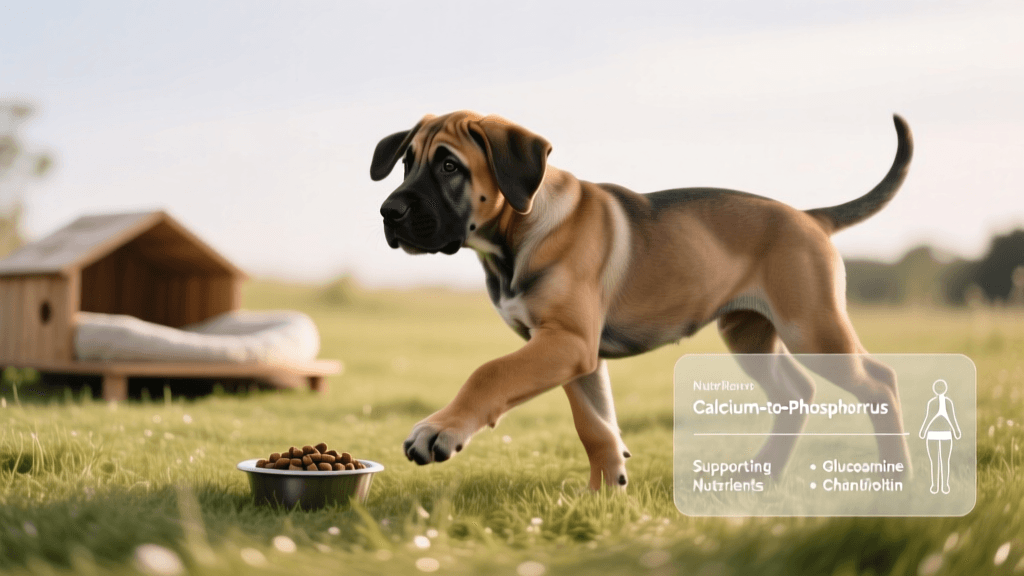
Large and giant breed puppies are still growing rapidly and are highly susceptible to developmental orthopedic diseases. While Omega-3s do not replace the need for controlled calcium and phosphorus intake, the anti-inflammatory properties of EPA and DHA protect joint cartilage from the micro-traumas of adolescent play and exercise.
2026 Omega-3 Dosing Chart for Growing Puppies
Over-supplementing Omega-3 can be just as problematic as under-supplementing. Excessive fish oil can lead to loose stools, altered platelet function (which impairs blood clotting), and an increased metabolic demand for Vitamin E. The American Kennel Club (AKC) recommends consulting with your veterinarian before starting any supplement, but general therapeutic dosing for developmental support typically falls within the following ranges based on your puppy's current weight.
| Puppy Weight (lbs) | Puppy Weight (kg) | Daily DHA + EPA Target (mg) | Typical Pump/Chew Equivalent |
|---|---|---|---|
| 5 - 10 lbs | 2.2 - 4.5 kg | 100 - 150 mg | 1/2 Pump or 1/2 Chew |
| 11 - 25 lbs | 5.0 - 11.3 kg | 150 - 300 mg | 1 Full Pump or 1 Chew |
| 26 - 50 lbs | 11.8 - 22.6 kg | 300 - 500 mg | 2 Pumps or 2 Chews |
| 51 - 75 lbs | 23.1 - 34.0 kg | 500 - 750 mg | 3 Pumps or 2.5 Chews |
| 76 - 100+ lbs | 34.5 - 45.0+ kg | 750 - 1000 mg | 4 Pumps or 3 Chews |
Note: Always check the specific concentration of your chosen brand. A single "pump" of liquid oil can range from 150mg to over 400mg of combined Omega-3s depending on the manufacturer.
Choosing the Right Format: Liquids, Chews, and Capsules
The supplement market in 2026 offers a variety of delivery methods, each with distinct pros and cons for puppy owners.
1. Liquid Pump Oils (Best for Bioavailability)
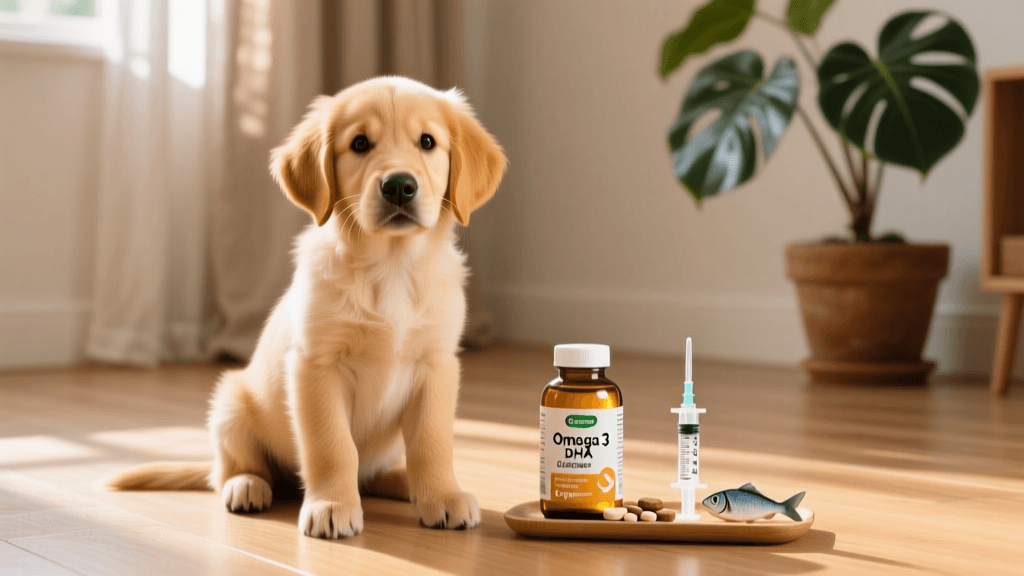
Liquid fish oils, particularly those derived from wild-caught anchovies, sardines, and mackerel, offer the highest bioavailability. Because they are in their natural triglyceride form, a puppy's digestive system absorbs them more efficiently than processed ethyl esters. Pumps eliminate the mess of traditional pour-bottles and prevent the oil from oxidizing quickly by limiting air exposure. Top Pick: Nordic Naturals Omega-3 Pet or Grizzly Salmon Oil Plus.
2. Soft Chews (Best for High-Value Training)
Omega-3 soft chews are highly palatable and convenient for travel or training sessions. However, puppy owners must read the ingredient lists carefully. Many chews use flaxseed oil (ALA) as a filler, which dogs cannot efficiently convert into the necessary DHA and EPA. Ensure the active ingredients explicitly list marine-based DHA and EPA. Top Pick: Zesty Paws Omega-3 Alaskan Fish Oil Chews.
3. Gel Capsules (Best for Picky Eaters)
If your puppy is sensitive to the smell of fish, gel capsules can be hidden inside a pill pocket or a piece of freeze-dried liver. The downside is that capsules are difficult to adjust for small puppies who only require a fraction of a standard dose.
Quality Control: Avoiding Rancid Oils in 2026
Omega-3 fatty acids are highly unstable and prone to oxidation. When fish oil oxidizes, it turns rancid, losing its nutritional benefits and actually introducing harmful free radicals into your puppy’s body. Rancid oil is a leading cause of the "fishy burps," diarrhea, and vomiting that some owners associate with fish oil supplementation.
To ensure you are purchasing a safe, fresh product, look for the National Animal Supplement Council (NASC) Quality Seal on the packaging. The NASC conducts rigorous independent audits of manufacturing facilities and requires third-party testing for heavy metals (like mercury and lead), PCBs, and dioxins. Additionally, always choose oils packaged in dark, opaque, or UV-protected bottles, and store liquid pumps in the refrigerator after opening to extend their shelf life.
Safety, Side Effects, and the Vitamin E Connection
While Omega-3s are incredibly safe when dosed correctly, there are two vital safety considerations for growing puppies:
- Vitamin E Depletion: The metabolic breakdown of polyunsaturated fatty acids (like Omega-3s) increases the body's demand for antioxidants, specifically Vitamin E. If you are supplementing high doses of fish oil, ensure your puppy’s base diet is rich in mixed tocopherols, or choose a supplement that includes Vitamin E in its formula to prevent a secondary deficiency.
- Caloric Density: Fats contain more than double the calories per gram compared to proteins or carbohydrates. A single pump of liquid fish oil can contain 15 to 20 calories. While this seems minor, for a 10-pound puppy with a strict daily caloric limit to prevent rapid, joint-damaging growth, these liquid calories must be accounted for by slightly reducing their kibble intake.
Integrating Omega-3 into Your Puppy's Daily Routine
Consistency is key when supplementing for cognitive and physical development. DHA builds up in the neural tissues over weeks and months, not days. Introduce the supplement slowly over a two-week period to allow your puppy's gastrointestinal microbiome to adapt. Start with a quarter of the recommended dose, monitoring their stool quality and appetite. If their digestion remains firm and healthy, gradually increase to the full target dose outlined in the chart above.
By prioritizing high-quality, triglyceride-form DHA and EPA during your puppy's crucial first year, you are investing in their long-term neurological health, joint integrity, and overall vitality. Combine this targeted nutritional strategy with positive reinforcement training, early socialization, and routine veterinary care, and you will set your puppy up for a vibrant, healthy adulthood.
hannah-wickes
All our authors care for dogs every day — read more of their work on the authors page.