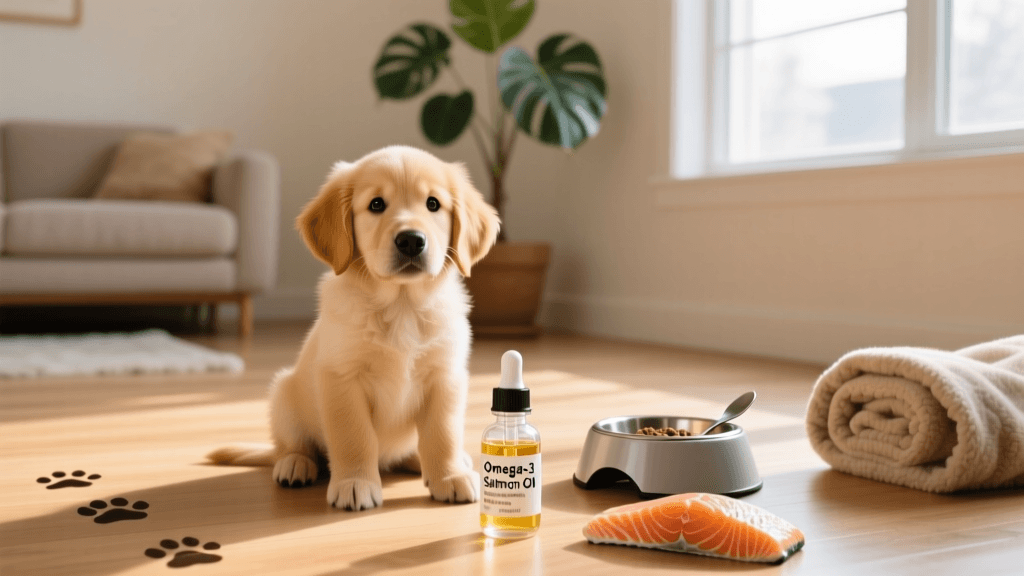
Preparing Your Puppy's Diet: Top Omega-3 Dog Supplements for 2026
Bringing a new puppy home in 2026? Discover how to choose, dose, and introduce Omega-3 fish oil supplements for optimal brain and joint development.
The First-Week Pantry Prep: Why Omega-3 is Essential for Your New Dog
Bringing a new puppy or rescue dog home is one of the most exciting milestones in life, but the preparation phase can feel overwhelming. As you stock up on crates, chew toys, and high-quality kibble in 2026, one critical element often missing from the new owner's pantry is a dedicated Omega-3 fatty acid supplement. While many commercial puppy foods claim to be 'complete and balanced,' the delicate balance of Omega-3 to Omega-6 fatty acids is frequently skewed, especially in mass-market brands.
For new dog owners, understanding how to properly supplement Omega-3s during those crucial first weeks at home can set the foundation for your dog's lifelong cognitive function, joint mobility, and immune health. According to the World Small Animal Veterinary Association (WSAVA), assessing your new pet's specific nutritional baseline during the initial veterinary visit is a core component of responsible ownership. This guide will walk you through everything you need to know about selecting, dosing, and introducing Omega-3s to your new dog's diet safely and effectively.
Understanding the Big Three: EPA, DHA, and ALA
Before you add a bottle of fish oil to your shopping cart, it is vital to understand that not all Omega-3s are created equal. The National Institutes of Health (NIH) outlines three main types of Omega-3 fatty acids, but their bioavailability in canines varies drastically:
- DHA (Docosahexaenoic Acid): The absolute superstar for puppy brain and retinal development. If you are bringing home an 8-to-12-week-old puppy, DHA is non-negotiable for cognitive training and neurological health.
- EPA (Eicosapentaenoic Acid): Primarily responsible for reducing cellular inflammation. EPA is crucial for rescue dogs arriving with skin allergies, hot spots, or older puppies needing joint support.
- ALA (Alpha-Linolenic Acid): Found in plant sources like flaxseed and chia. While common in cheaper dog foods, dogs lack the enzymes to efficiently convert ALA into usable EPA and DHA. Therefore, marine-based or algae-based supplements are vastly superior.
Evaluating Your Puppy's Current Food Label
Before buying a supplement, check the guaranteed analysis on your chosen puppy food. In 2026, premium brands often include DHA from salmon oil or algae. However, the processing methods used in extruded kibble can degrade these delicate fats. If your food lists 'fish oil' without specifying the exact milligram count of EPA and DHA per serving, or if the food relies on flaxseed for its Omega-3 profile, a fresh, liquid, or soft-chew supplement is highly recommended to ensure your new dog is getting active, unoxidized fatty acids.
Top Omega-3 Sources to Stock Before Your Puppy Arrives
The market for canine supplements has evolved significantly. When preparing your home, choose a product based on your dog's specific breed profile and potential allergies. Below is a comparison of the top Omega-3 sources recommended by veterinary nutritionists this year.
| Omega-3 Source | Primary Benefits | Best For | Shelf Life & Storage |
|---|---|---|---|
| Wild Alaskan Salmon Oil | High EPA/DHA ratio, excellent for skin/coat barrier | Active breeds, dry skin rescues, picky eaters (strong scent) | Refrigerate after opening; use within 3-4 months |
| Antarctic Krill Oil | Contains Astaxanthin (antioxidant), high joint support | Large breed puppies (Great Danes, Shepherds) prone to joint issues | Store in cool, dark place; stable for up to 6 months |
| Marine Microalgae Oil | Pure DHA, highly sustainable, zero fishy odor | Puppies with fish protein allergies, eco-conscious owners | Room temperature; stable for 12 months |
How to Calculate the Right Omega-3 Dose for Your New Puppy
Dosing is where many new owners make mistakes. Over-supplementing can lead to gastrointestinal upset or excessive caloric intake, while under-dosing yields no therapeutic benefit. The American Kennel Club (AKC) notes that dosing should be based on your dog's metabolic weight and specific health needs, rather than just the volume of food they eat.
For general puppy brain development and coat health in 2026, the standard veterinary recommendation is approximately 50 to 75 mg of combined EPA and DHA per kilogram of your puppy's expected adult body weight. However, for large breed puppies requiring joint inflammation management, that dose may be safely increased under veterinary supervision.
Example Dosing Scenario:
If you adopt a Golden Retriever puppy expected to reach 30 kg (66 lbs) as an adult:
- Target: ~50 mg combined EPA/DHA per kg.
- Calculation: 30 kg x 50 mg = 1,500 mg of combined EPA/DHA daily.
- Action: Check your supplement bottle. If one pump delivers 750 mg of combined EPA/DHA, you will need two pumps daily once the puppy is fully transitioned to the supplement.
Step-by-Step: Introducing Fish Oil During the First 7 Days
A new puppy's digestive system is incredibly sensitive. Moving to a new home causes stress, which can easily trigger diarrhea. Never introduce a high-fat supplement like fish oil on the very first day your dog arrives. Follow this 7-day protocol to ensure a smooth transition:
- Days 1-2 (The Decompression Phase): Feed only the exact food the breeder or shelter provided. No new supplements. Let your puppy's gut microbiome adjust to the new environment.
- Day 3 (The Introduction): Add 25% of your target Omega-3 dose to their evening meal. Monitor their stool consistency the next morning.
- Days 4-5 (The Build-Up): If stools remain firm, increase to 50% of the target dose. Split the dose between breakfast and dinner to prevent fat-induced nausea.
- Days 6-7 (Full Integration): Reach 100% of your calculated EPA/DHA target. By the end of week one, your puppy will be receiving full cognitive and anti-inflammatory support without digestive distress.
Common Mistakes New Owners Make with Puppy Supplements
As you navigate your first month of dog ownership in 2026, avoid these frequent pitfalls that can compromise your puppy's health:
1. Using Human Omega-3 Gummies
Never give human gummy vitamins to your dog. Many human supplements contain xylitol (birch sugar), an artificial sweetener that is highly toxic to dogs and can cause rapid, fatal hypoglycemia. Always stick to canine-specific liquids or capsules.
2. Ignoring the Calorie Count
Omega-3 oils are pure fat. A single tablespoon of salmon oil contains roughly 120 calories. If you are adding this to your puppy's daily kibble, you must slightly reduce their base food portion to prevent accelerated growth rates and puppy obesity, which is particularly dangerous for the developing joints of large breeds.
3. Storing Oil Improperly
Omega-3 fatty acids are highly susceptible to oxidation. If your salmon oil smells rancid, sour, or overwhelmingly like rotting fish, it has oxidized and will cause cellular damage rather than prevent it. Always buy pump bottles that limit air exposure, store them in the refrigerator, and discard them if they change color or smell off.
Final Thoughts for the New Dog Owner
Preparing your home for a new dog goes far beyond buying a comfortable bed and a sturdy leash. By proactively researching and integrating a high-quality, third-party-tested Omega-3 supplement into your puppy's first-week routine, you are investing in their neurological development, joint longevity, and overall vitality. Consult with your veterinarian during your puppy's first wellness exam to finalize your specific dosing strategy, and enjoy the incredible journey of raising a healthy, thriving companion in 2026 and beyond.
marcus-aldridge
All our authors care for dogs every day — read more of their work on the authors page.