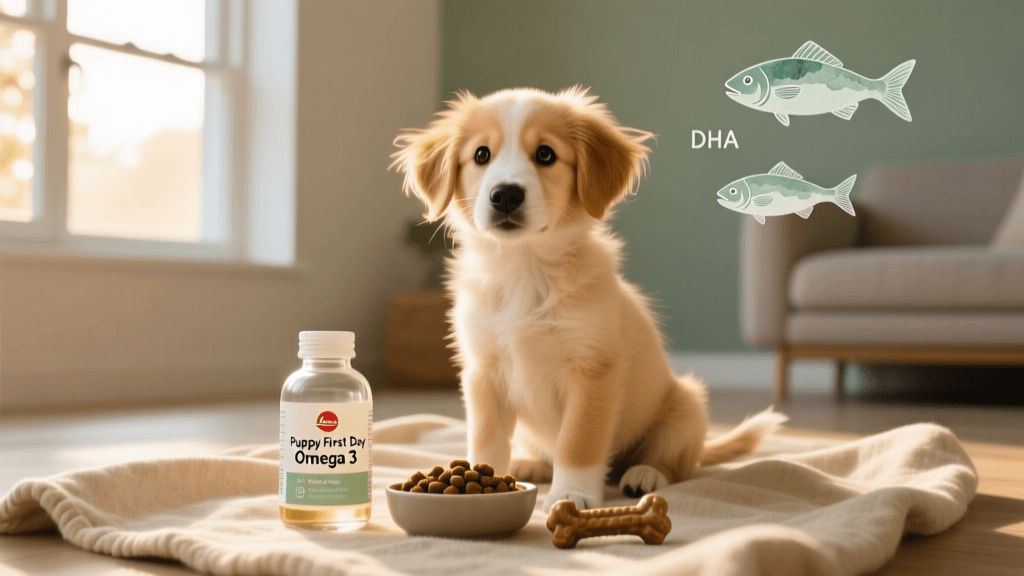
Top Omega-3 Fish Oil Supplements for Puppies: 2026 Guide
Discover why Omega-3 fish oil is a crucial first-day essential for your new puppy in 2026. Compare top DHA supplements for brain and joint health.
Why Omega-3 Belongs in Your First-Day Puppy Kit
Bringing a new puppy home is one of the most exciting milestones in dog ownership. As you prepare your home in 2026, your shopping list likely includes a sturdy crate, an orthopedic bed, chew-proof toys, and high-quality puppy kibble. However, one of the most critical first-day essentials often overlooked by new owners is a high-quality Omega-3 fish oil supplement. While commercial puppy foods are formulated to meet basic survival and growth metrics, they frequently fall short in providing the optimal levels of essential fatty acids required for peak cognitive and physical development.
The transition from a breeder or shelter environment to your home is a period of immense stress and rapid growth for a young dog. During this critical developmental window, the right nutritional support can set the foundation for a lifetime of health. According to the WSAVA Global Nutrition Guidelines, proper fatty acid balance is a cornerstone of pediatric canine nutrition, yet it remains one of the most common deficiencies in standard commercial diets. Incorporating a dedicated Omega-3 supplement from day one ensures your puppy has the building blocks necessary for retinal development, neural pathway formation, and a robust immune system.
DHA vs. EPA: Decoding the Fatty Acids for Canine Development
When shopping for fish oil, you will frequently see two acronyms on the label: DHA (Docosahexaenoic acid) and EPA (Eicosapentaenoic acid). While both are crucial Omega-3 fatty acids, they serve distinctly different purposes in a growing puppy's body. Understanding the difference is vital for making an informed purchase for your new dog's starter kit.
DHA is the primary structural component of the brain and the retina. Puppies cannot synthesize sufficient DHA on their own, making it an essential dietary requirement. Studies consistently show that puppies fed diets rich in DHA demonstrate significantly improved trainability, better problem-solving skills, and enhanced visual acuity compared to those on DHA-deficient diets. When you are trying to teach your new puppy basic commands like 'sit' or 'come' during their first few weeks home, DHA is the neurological fuel that makes that learning possible.
EPA, on the other hand, is primarily responsible for managing cellular inflammation. While puppies generally do not suffer from the joint inflammation seen in senior dogs, EPA plays a vital role in supporting a healthy immune response and maintaining a luxurious, flake-free coat. A high-quality puppy supplement will feature a higher ratio of DHA to EPA, specifically tailored to the neurological demands of a growing canine.
The Omega-6 to Omega-3 Ratio in Commercial Puppy Foods
To understand why supplementation is necessary, we must look at the modern manufacturing of pet food. Most commercial puppy kibbles rely heavily on poultry fat, corn oil, or sunflower oil as their primary fat sources. These ingredients are exceptionally high in Omega-6 fatty acids. While Omega-6 is necessary for energy and basic cellular function, an overabundance of it triggers pro-inflammatory pathways in the body.
The ideal ratio of Omega-6 to Omega-3 for a growing dog is generally considered to be between 2:1 and 5:1. However, the University of Minnesota Extension notes that many standard commercial diets feature ratios as high as 20:1 or even 30:1. This severe imbalance can lead to chronic low-grade inflammation, allergic skin conditions, and suboptimal brain development. By adding a concentrated, pure source of Omega-3 fish oil to your puppy's daily meals, you actively correct this dietary imbalance, neutralizing the inflammatory effects of the kibble and promoting systemic health from the inside out.
Top Omega-3 Supplements for New Puppies in 2026
The pet supplement market has evolved significantly, with stricter testing for heavy metals and oxidation levels. When selecting a product for your first-day kit, you must prioritize purity, bioavailability, and appropriate dosing mechanisms for small puppies. Below is a comparison of the top veterinarian-recommended Omega-3 sources available in 2026.
| Brand & Product | Form | EPA/DHA Profile | Best For | 2026 Est. Price |
|---|---|---|---|---|
| Nordic Naturals Omega-3 Pet | Liquid Pump | High DHA / Moderate EPA | Toy & Small Breed Puppies | $24.99 |
| Grizzly Salmon Plus | Liquid Pump | Balanced DHA/EPA | Medium to Large Breed Puppies | $28.50 |
| Zesty Paws Omega-3 Chews | Soft Chew | Moderate DHA / High EPA | Older Puppies (6+ Months) | $27.99 |
| Ascenta Nutra-Vet Canine | Liquid Pump | Clinical High DHA | Working & Sporting Breeds | $32.00 |
Nordic Naturals Omega-3 Pet remains a gold standard for small puppies. Its liquid pump allows for micro-dosing, which is essential for breeds like Chihuahuas or Pomeranians where even a single capsule would cause gastrointestinal distress. Grizzly Salmon Plus utilizes wild-caught Alaskan salmon, providing a broader spectrum of natural nutrients, making it an excellent choice for rapidly growing large breeds like Golden Retrievers or German Shepherds who need joint and bone support alongside cognitive development.
How to Safely Introduce Fish Oil to a Puppy’s Sensitive Stomach
A common mistake new owners make is introducing supplements too quickly. A puppy's gastrointestinal tract is incredibly delicate, especially during the stress of relocation. Dumping a full dose of rich fish oil onto their kibble on day one is a recipe for diarrhea, which can quickly lead to dehydration in young dogs.
The American Veterinary Medical Association (AVMA) emphasizes the importance of gradual dietary transitions for new pets. To safely introduce Omega-3:
- Days 1-3: Administer 25% of the recommended dose. Mix it thoroughly into wet food or use it to lightly moisten dry kibble.
- Days 4-7: Increase to 50% of the recommended dose, monitoring your puppy's stool consistency.
- Week 2: If digestion remains normal, increase to 75%, and finally to the full recommended dose by day 14.
Vet Tip: Always mix the oil into the food rather than squirting it directly into the puppy's mouth. Direct oral administration can lead to aspiration pneumonia if the oil is inhaled into the lungs, and it creates a negative association with feeding time.
Storage and Freshness: Preventing Rancid Oil
Fish oil is highly susceptible to oxidation. When exposed to light, heat, or oxygen, the fatty acids break down and become rancid. Rancid fish oil is not only ineffective, but it actually introduces harmful free radicals into your puppy's body, causing the exact cellular damage you are trying to prevent.
When your Omega-3 supplement arrives in your first-day starter kit, immediately store it in the refrigerator. The cold temperature significantly slows the oxidation process. Furthermore, always purchase fish oils packaged in opaque, dark amber, or UV-protected bottles. Before every use, perform the 'smell test'. Fresh, high-quality fish oil should have a mild, clean, oceanic scent. If it smells sharply fishy, sour, or like rotting seafood, it has oxidized and must be discarded immediately, regardless of the expiration date printed on the bottle.
Common Mistakes New Owners Make with Omega-3
Beyond improper storage and rapid introduction, new owners often fall into a few other traps when supplementing their puppies. The first is confusing Cod Liver Oil with standard Fish Oil. Cod liver oil is exceptionally high in Vitamins A and D. While these vitamins are necessary, they are fat-soluble and can easily reach toxic levels in a small puppy's body if dosed like standard Omega-3 body oil. Always stick to oils derived from the body of the fish (like anchovies, sardines, or salmon) rather than the liver, unless specifically directed by a veterinary nutritionist.
The second mistake is ignoring the caloric density. Fats contain more than double the calories per gram compared to proteins or carbohydrates. A heavy-handed pour of fish oil can easily push a puppy's daily caloric intake over the limit, leading to rapid, unhealthy weight gain. Rapid growth in large breed puppies is directly linked to developmental orthopedic diseases like hip dysplasia. Always account for the calories in the fish oil by slightly reducing the portion of kibble you feed at mealtime.
Finalizing Your First-Day Checklist
Preparing for a new dog requires foresight and attention to nutritional detail. By adding a high-quality, high-DHA Omega-3 fish oil to your shopping list before your puppy even crosses the threshold of your home, you are investing in their cognitive sharpness, immune resilience, and long-term vitality. Combine this supplement with a safe environment, positive reinforcement training, and regular veterinary check-ups, and you will be well on your way to raising a thriving, healthy companion in 2026 and beyond.
priya-sutaria
All our authors care for dogs every day — read more of their work on the authors page.