7 Puppy Feeding Mistakes That Harm Growth and Health
Avoid these 7 common puppy feeding mistakes that stunt growth and cause illness. Learn safe calcium ratios, toxic foods, and portion control tips.

The Critical First Year: Why Puppy Nutrition Dictates Lifelong Health
Bringing home a new puppy is a joyous milestone, but the first 12 months of a dog's life are fraught with developmental landmines. As a senior dog care advocate at Paws-Tales, I frequently see well-meaning owners accidentally compromise their puppy's skeletal, digestive, and immune health through improper feeding practices. A puppy's growth plates are open, their immune system is still maturing, and their caloric needs are vastly different from adult dogs. In this comprehensive guide, we break down the most dangerous puppy feeding mistakes you must avoid, complete with actionable measurements, cost warnings, and safe alternatives.
Mistake #1: NOT Using Large-Breed Specific Formulas
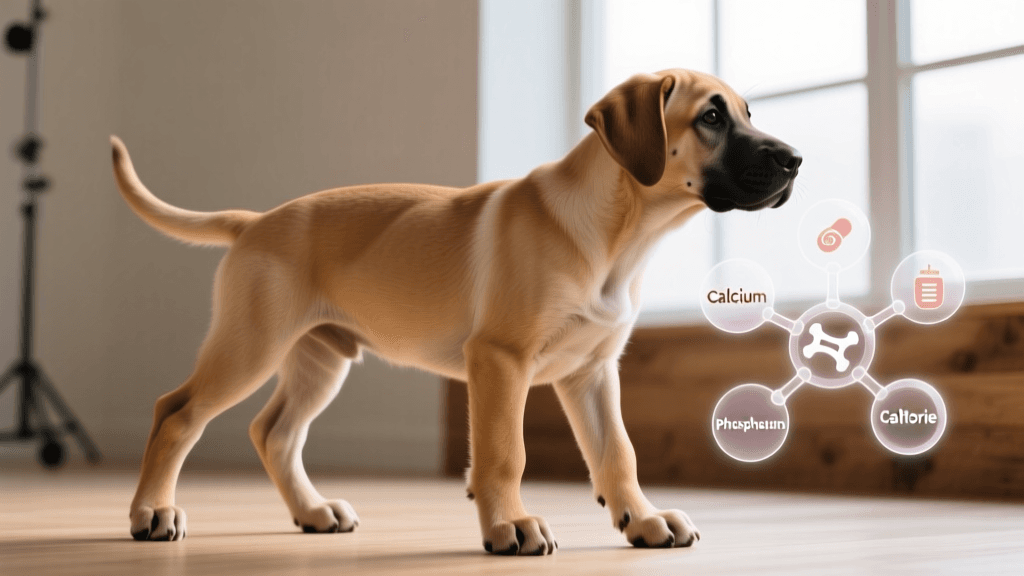
One of the most catastrophic errors owners make is feeding a standard puppy or adult diet to a large-breed puppy (defined as dogs expected to weigh over 50 lbs at maturity, such as Golden Retrievers, German Shepherds, and Great Danes). Large-breed puppies require strictly controlled calcium and phosphorus levels to ensure their bones grow at a safe, steady rate.
The Science of Growth Plates
If a large-breed puppy consumes too much calcium or excess calories, their bones can grow faster than their supporting muscles and tendons, leading to severe orthopedic conditions like hip dysplasia, osteochondrosis dissecans (OCD), and panosteitis. The ideal Calcium-to-Phosphorus (Ca:P) ratio for large-breed puppies is strictly between 1.1:1 and 1.4:1. Standard puppy foods often exceed this, pushing rapid, unhealthy growth.
Warning: Correcting orthopedic damage caused by improper early nutrition often requires surgeries like TPLO or FHO, which cost between $3,000 and $6,000 per joint. Prevention via a specialized diet like Purina Pro Plan Large Breed Puppy or Royal Canin Large Puppy costs less than $100 a month.
Mistake #2: NOT Measuring Meals (The Free-Feeding Trap)
Leaving a bowl of kibble out all day (free-feeding) is a recipe for early-onset obesity and joint stress. Puppies do not naturally self-regulate their caloric intake when faced with highly palatable commercial kibble. Guessing portion sizes using random household cups can lead to a 20% caloric overage, which is enough to push a growing puppy into an unhealthy Body Condition Score (BCS).
Actionable Advice: Use a Digital Scale
Stop using measuring cups. Instead, purchase a $15 digital kitchen scale and weigh your puppy's food in grams based on the feeding chart on the bag, adjusted for their current weight and expected adult size. To slow down fast eaters and provide mental enrichment, serve meals in an Outward Hound Fun Feeder or a KONG Classic stuffed with portion-measured wet food. This prevents gulping, aids digestion, and burns mental energy.
Mistake #3: NOT Trusting Commercial Diets (Adding Calcium)
Many owners mistakenly believe they need to 'boost' their puppy's diet by adding calcium supplements, bone meal, or excessive dairy. According to the World Small Animal Veterinary Association (WSAVA) Global Nutrition Guidelines, adding calcium to a commercially balanced, AAFCO-approved puppy diet is highly dangerous. It disrupts the endocrine system's ability to regulate bone remodeling, directly causing developmental orthopedic diseases (DOD). If you are feeding a high-quality, complete-and-balanced puppy food, do not add any mineral supplements unless explicitly directed by a board-certified veterinary nutritionist.
Mistake #4: NOT Checking Human Food Safety
It is tempting to share your meals with those begging puppy eyes, but a puppy's liver and kidneys are not equipped to process many common human foods. Even small amounts of certain items can cause acute renal failure or fatal hypoglycemia. Always consult the ASPCA's list of people foods dangerous to pets before offering a scrap from the table.
Quick Reference: Toxic vs. Safe Human Foods
| Category | Highly Toxic (NEVER Feed) | Safe in Moderation (Vet Approved) |
|---|---|---|
| Fruits | Grapes, Raisins, Cherries (pits) | Blueberries, Apples (cored), Watermelon |
| Vegetables | Onions, Garlic, Chives, Leeks | Carrots, Green Beans, Plain Pumpkin Puree |
| Pantry Items | Xylitol (Birch Sugar), Macadamia Nuts | Plain Peanut Butter (Xylitol-Free), Oats |
| Dairy | Blue Cheese, Milk (lactose issues) | Plain Greek Yogurt (small amounts) |
Mistake #5: NOT Avoiding Raw Diets During Immune Development
While raw feeding is a popular trend, it is strongly advised against for young puppies whose immune systems are still developing and who have not completed their core vaccination series. The U.S. Food and Drug Administration (FDA) explicitly warns that raw pet food diets carry a high risk of containing harmful pathogens like Salmonella and Listeria monocytogenes. A puppy exposed to these bacteria can suffer from severe, life-threatening gastroenteritis or sepsis. Stick to cooked, commercially balanced kibble or gently cooked fresh diets that meet AAFCO growth standards until your puppy is fully mature and immunocompetent.
Mistake #6: NOT Transitioning Foods Slowly
Puppies have incredibly sensitive gastrointestinal tracts. Switching from a breeder's food to your chosen brand overnight will almost certainly result in severe diarrhea, dehydration, and a panicked trip to the emergency vet. You must use a strict 7-day transition protocol to allow the puppy's gut microbiome to adapt to new protein sources and fiber levels.
The 7-Day Diet Transition Schedule
| Days | Old Food Percentage | New Food Percentage |
|---|---|---|
| Days 1 & 2 | 75% | 25% |
| Days 3 & 4 | 50% | 50% |
| Days 5 & 6 | 25% | 75% |
| Day 7 | 0% | 100% |
Pro Tip: If your puppy experiences soft stools during the transition, hold at the current ratio for an extra 24 hours and add a spoonful of plain, unsweetened canned pumpkin puree to firm things up.
Mistake #7: NOT Waiting Around Meal Times for Exercise
Finally, one of the most lethal mistakes owners make is taking their puppy for a vigorous walk or engaging in intense play immediately before or after a meal. This is particularly dangerous for deep-chested breeds (like Great Danes, Weimaraners, and Standard Poodles) and can trigger Gastric Dilatation-Volvulus (GDV), commonly known as bloat. GDV occurs when the stomach fills with gas and twists on itself, cutting off blood supply.
The 1-Hour Rule
GDV is a catastrophic medical emergency. Emergency surgery to untwist the stomach and perform a gastropexy costs between $3,000 and $7,000, and the mortality rate remains high even with treatment. To protect your puppy, enforce a strict 1-hour rest period before and after every meal. Use this time for low-impact mental enrichment, such as scent work on a snuffle mat or basic obedience training in the living room, rather than physical exertion.
Final Thoughts on Puppy Nutrition
Avoiding these seven common feeding mistakes will save you thousands of dollars in veterinary bills and, more importantly, spare your puppy from unnecessary pain and developmental setbacks. By measuring meals accurately, respecting the unique needs of large breeds, avoiding toxic foods, and managing meal-time exercise, you are setting the foundation for a vibrant, healthy adult dog. Always consult your primary care veterinarian to tailor a specific nutritional plan for your puppy's unique breed, age, and lifestyle.
beth-carrasco
All our authors care for dogs every day — read more of their work on the authors page.