Treating Early-Onset Canine OA in Puppies: 2026 Guide
Discover 2026 veterinary protocols for treating early-onset canine osteoarthritis in puppies, including safe supplements, weight management, and therapies.
Understanding Early-Onset Osteoarthritis in Puppies
When most dog owners hear the term 'osteoarthritis' (OA), they immediately picture senior dogs struggling to rise from their beds. However, early-onset canine osteoarthritis is a significant and growing concern in the realm of puppy care. While puppies are typically known for their boundless energy, congenital conditions, developmental anomalies, or early traumas can lead to joint degradation well before their first birthday. Treating early-onset canine OA requires a radically different approach than treating age-related joint wear, as veterinarians must balance pain management with the physiological realities of a growing skeleton.
In 2026, veterinary rheumatology has advanced significantly, offering new, safer protocols for managing juvenile joint disease. The primary goal in puppy OA treatment is not just to mask pain, but to preserve joint architecture, manage inflammation, and ensure that growth plates are not compromised by systemic medications. This comprehensive guide explores the latest 2026 veterinary consensus on diagnosing, managing, and treating early-onset osteoarthritis in puppies.
Recognizing the Subtle Signs of Puppy Joint Pain
Puppies are notoriously stoic and often compensate for joint pain using their surrounding musculature. Unlike senior dogs who may exhibit obvious limping, a puppy with early-onset OA might display much more subtle behavioral shifts. Recognizing these signs early is critical for initiating treatment before irreversible cartilage loss occurs.
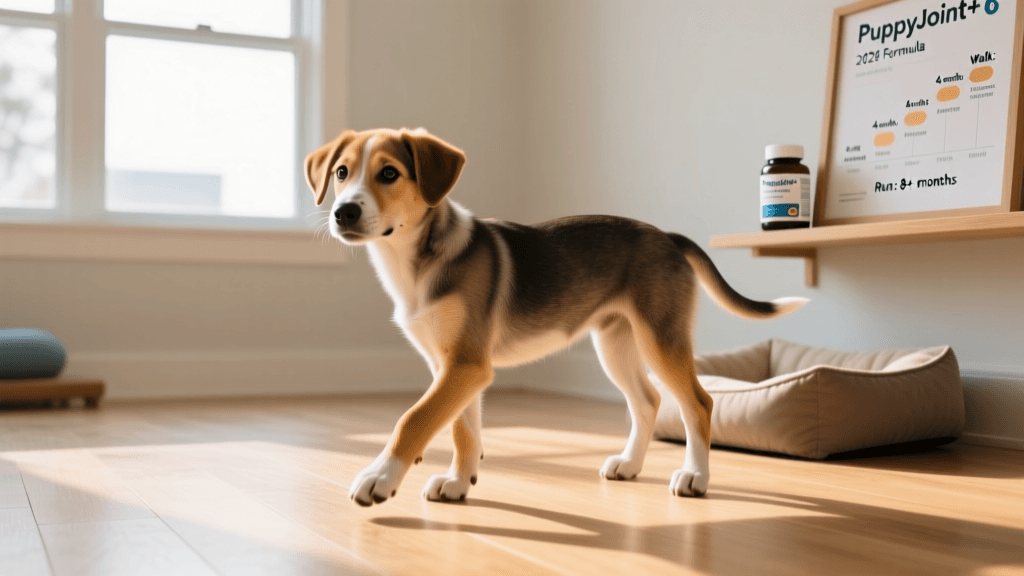
- The 'Frog-Leg' Sit: Instead of sitting squarely with their hips tucked beneath them, puppies with hip or stifle discomfort often sit with their hind legs splayed outward to the sides.
- Bunny-Hopping Gait: When running or trotting, the puppy may use both hind legs simultaneously rather than moving them in an alternating sequence.
- Reluctance to Jump or Climb: Hesitation to jump onto furniture, climb stairs, or leap into the vehicle are classic indicators of joint stiffness or pain.
- Behavioral Changes: Increased irritability when handled, reluctance to play with other dogs, or excessive licking over a specific joint (such as the carpus or stifle).
If you notice any of these signs, prompt evaluation by a veterinary orthopedist is essential. Early intervention can dramatically alter the long-term prognosis for a puppy with developmental joint disease.
Root Causes: Why Puppies Develop Osteoarthritis
Osteoarthritis in puppies is almost always secondary to an underlying structural or developmental issue. According to the American College of Veterinary Surgeons (ACVS), the most common culprits for juvenile OA include:
1. Canine Hip and Elbow Dysplasia
Dysplasia refers to the abnormal development of a joint. In hip dysplasia, the ball and socket do not fit or develop properly, leading to joint laxity. This looseness causes micro-traumas to the cartilage with every step the puppy takes, triggering an inflammatory cascade that results in early-onset OA. Elbow dysplasia involves similar developmental mismatches, often leading to fragmented medial coronoid processes (FCP) or ununited anconeal processes (UAP).
2. Osteochondritis Dissecans (OCD)
OCD occurs when the cartilage fails to convert properly into bone during a puppy's rapid growth phase. This can lead to a flap of cartilage tearing away from the underlying bone, most commonly in the shoulder, elbow, or hock joints, causing severe inflammation and rapid osteoarthritis.
3. Juvenile Trauma
Growth plates (physes) are highly vulnerable in puppies. A seemingly minor fracture or severe sprain near a joint can alter the biomechanics of the limb, forcing the joint to bear weight unevenly and accelerating cartilage wear.
2026 Veterinary Pain Management Protocols
Managing pain in a growing puppy is a delicate balancing act. Many standard osteoarthritis medications used in adult dogs carry risks for puppies whose skeletal systems are still developing.
NSAIDs and Growth Plate Considerations
Non-steroidal anti-inflammatory drugs (NSAIDs) like Carprofen or Meloxicam remain a cornerstone of OA pain management. However, in 2026, veterinary guidelines emphasize using the lowest effective dose for the shortest possible duration in puppies. Prolonged NSAID use in rapidly growing dogs can occasionally interfere with the normal modeling of growth plates and bone remodeling processes. Vets now frequently employ 'pulse therapy'—administering NSAIDs only during acute flare-ups rather than as a daily, year-round medication.
The Anti-NGF Caveat for Puppies
Monoclonal antibodies targeting Nerve Growth Factor (NGF), such as Librela (bedinvetmab), have revolutionized OA care in senior dogs over the last few years. However, as of 2026, the veterinary consensus strictly advises against using anti-NGF therapies in puppies under 18 months of age. NGF is crucial for the normal development of the peripheral and sympathetic nervous systems in growing animals. Therefore, alternative pain pathways must be utilized.
Adjunctive Pain Modifiers
To reduce reliance on NSAIDs, veterinarians are increasingly prescribing Gabapentin for neuropathic pain components and Amantadine to prevent central wind-up (chronic pain sensitization). These medications are considered safe for juvenile patients when dosed correctly by a veterinary professional.
Nutritional Interventions and Joint Supplements
Nutraceuticals play a massive role in managing puppy OA. Unlike pharmaceuticals, high-quality joint supplements can be administered daily to modify the joint environment, reduce synovial inflammation, and provide the building blocks for cartilage repair.
| Supplement Type | Primary Benefit for Puppies | 2026 Vet Consensus & Dosing |
|---|---|---|
| Omega-3 Fatty Acids (EPA/DHA) | Potent anti-inflammatory; reduces joint effusion and cartilage-degrading enzymes. | Highly recommended. Dose at 75-100mg per kg of metabolic body weight daily. |
| Polysulfated Glycosaminoglycans (PSGAGs) | Inhibits cartilage breakdown and stimulates hyaluronic acid production. | Injectable Adequan is preferred over oral forms for severe juvenile cases. |
| Green-Lipped Mussel (GLM) Extract | Provides a natural matrix of ETA, glucosamine, and chondroitin. | Excellent for mild cases; ensure products are cold-extracted and sustainably sourced. |
| Undenatured Type II Collagen (UC-II) | Modulates the immune system to stop attacking joint cartilage. | Gaining traction in 2026 for autoimmune-mediated joint inflammation in young dogs. |
When selecting a supplement, always look for products that carry the National Animal Supplement Council (NASC) Seal of Quality, ensuring that the ingredient panel is accurate and free from heavy metals or contaminants.
Physical Therapy and Environmental Modifications
According to the Washington State University Veterinary Teaching Hospital, controlled therapeutic exercise is vital for maintaining muscle mass, which in turn acts as a shock absorber for compromised joints. Puppies with OA should never be subjected to forced exercise like running alongside a bicycle or playing intense, repetitive games of fetch on hard surfaces.
Canine Hydrotherapy
Underwater treadmills and therapeutic swimming pools are gold standards for puppy rehabilitation. The buoyancy of the water unloads the joints, allowing the puppy to build hindquarter and core strength without the concussive forces of gravity. In 2026, the average cost for a certified canine hydrotherapy session ranges from $75 to $120, and most puppies require 1 to 2 sessions per week during their critical growth phases. Water temperature is strictly maintained between 88°F and 92°F to promote vasodilation and muscle relaxation.
Class IV Laser Therapy
Photobiomodulation (Class IV Laser) is a non-invasive, painless therapy that uses specific wavelengths of light to reduce cellular inflammation and accelerate tissue healing. It is particularly useful for puppies who are averse to being handled or massaged.
Puppy-Proofing the Home Environment
Your home environment must be optimized to prevent micro-traumas. In 2026, top veterinary orthopedists recommend the following modifications:
- Traction Flooring: Slippery hardwood or tile floors force puppies to splay their legs, placing immense torque on dysplastic hips. Use high-traction EVA foam mats or non-slip area rugs in all primary living spaces.
- Orthopedic Bedding: Invest in a bed featuring high-density memory foam (at least 4 inches thick) with supportive bolsters. This prevents the puppy's joints from pressing into the hard floor while sleeping.
- Ramps and Stairs: Never allow a puppy with early-onset OA to jump in and out of vehicles or onto high furniture. Use adjustable, carpeted ramps with a gentle incline (no steeper than 25 degrees) to protect the spine and joints.
- Toe Grips: For puppies struggling to gain traction on unavoidable hard surfaces, veterinary-grade toe grips (such as Dr. Buzby's ToeGrips) can provide immediate stability and prevent catastrophic slips.
Weight Management and Growth Rate Control
If there is one universal truth in treating early-onset canine OA, it is this: leanness is the ultimate joint protector. Every extra pound of body weight places up to four pounds of additional mechanical stress on a dog's joints during movement. For a growing puppy, excessive weight not only overloads already compromised joints but also accelerates the growth rate, leading to weaker bone density and poorer joint conformation.
In 2026, veterinary nutritionists rely heavily on the World Small Animal Veterinary Association (WSAVA) Body Condition Score (BCS) charts. A puppy with early-onset OA should be maintained at a BCS of 4 out of 9, which is slightly leaner than the standard 'ideal' of 5. You should be able to easily feel the puppy's ribs without pressing hard, and they should have a distinct abdominal tuck when viewed from the side.
To achieve this, feed a high-quality, large-breed puppy formula (if applicable) that is specifically calibrated to slow the growth rate without compromising adult size. Measure food using a digital gram scale rather than a volume-based measuring cup, and eliminate high-calorie treats, replacing them with low-calorie training rewards like freeze-dried liver or small pieces of carrot.
Conclusion: A Proactive Approach to Puppy Joint Health
Receiving a diagnosis of early-onset osteoarthritis for your puppy can be emotionally overwhelming. However, the veterinary landscape in 2026 offers more tools than ever before to ensure your puppy lives a vibrant, active, and comfortable life. By combining judicious pain management, targeted nutritional support, rigorous weight control, and strategic environmental modifications, you can halt the progression of joint degradation. Always partner closely with a board-certified veterinary orthopedist or a certified canine rehabilitation practitioner to tailor a protocol that supports your puppy's unique developmental needs, ensuring they can continue to explore the world with confidence and joy.
anouk-beaumont
All our authors care for dogs every day — read more of their work on the authors page.