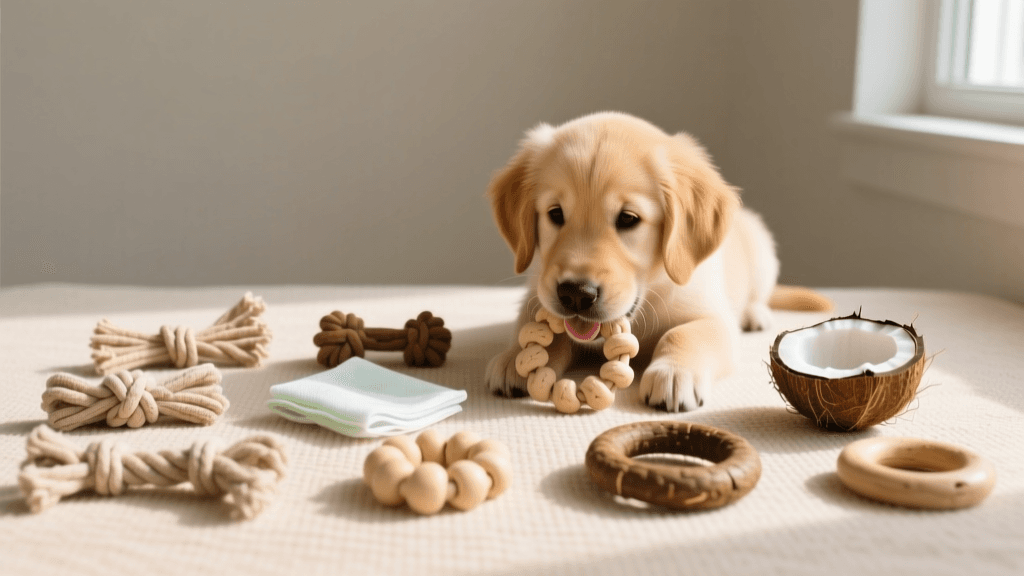
The Ultimate Puppy Daily Schedule and Wellness Routine
Discover the ultimate daily schedule and wellness routine for your puppy. Learn feeding, potty, and sleep timings for a healthy, happy pup.

Why a Strict Daily Schedule is Crucial for Puppies
Bringing a new puppy home is an exhilarating experience, but it can quickly become overwhelming without a structured plan. Puppies thrive on predictability. A consistent daily schedule not only accelerates potty training and reduces destructive behaviors but also significantly lowers your puppy's stress levels. When a puppy knows what to expect next, their cortisol levels remain stable, leading to a more confident and well-adjusted adult dog. According to the American Kennel Club (AKC), establishing a routine from day one is the cornerstone of successful behavioral development and housebreaking.
In this comprehensive guide, we will break down the ultimate daily wellness routine and schedule for puppies aged 8 weeks to 6 months. We will cover exact timings, product recommendations, cost estimates, and essential health checks to ensure your furry friend grows into a thriving companion.
The Core Components of a Puppy Wellness Routine
A successful puppy schedule revolves around three main biological pillars: feeding, elimination, and sleep. Balancing these elements requires precision and consistency.
1. Feeding and Hydration Protocols
Puppies have small stomachs and high metabolic rates, requiring frequent, measured meals. Free-feeding (leaving food out all day) is highly discouraged as it disrupts potty training schedules and can lead to rapid, unhealthy growth spurts, especially in large breeds.
- 8 to 12 Weeks: Feed 3 to 4 small meals per day.
- 3 to 6 Months: Transition to 3 meals per day.
- 6 Months and Older: Transition to 2 meals per day.
Actionable Advice: Ditch the measuring cup and use a digital kitchen scale to weigh your puppy's food in grams. Cup measurements can vary by up to 20%, leading to accidental overfeeding. For a premium diet like Purina Pro Plan Puppy Chicken & Rice (approximately $65 for a 34lb bag), the feeding guide on the back provides exact gram measurements based on your puppy's current weight and estimated adult weight. Always remove the water bowl two hours before bedtime to minimize overnight potty accidents.
2. Potty Training Intervals
The golden rule of puppy potty training is the 'Month Plus One' rule: a puppy can hold their bladder for roughly one hour per month of age, plus one. However, for active daytime schedules, you should take them out much more frequently to build a habit of success. The Humane Society of the United States emphasizes that taking a puppy out immediately after waking up, after eating, and after vigorous play sessions is critical for preventing indoor accidents. Always use an enzymatic cleaner like Nature's Miracle Advanced Stain & Odor Eliminator (approx. $12 per bottle) to completely destroy uric acid crystals that standard household cleaners leave behind.
3. Enforced Sleep and Nap Cycles
Puppies require 18 to 20 hours of sleep per day. A common mistake new owners make is overstimulating their puppies, leading to the dreaded 'puppy zoomies' and nipping. These are often signs of overtiredness, not excess energy. Implement 'enforced naps' in a properly sized crate, such as the MidWest Homes for Pets iCrate (approx. $60). Use a divider panel so the crate is only large enough for the puppy to stand up, turn around, and lie down. This prevents them from soiling one corner and sleeping in the other.
Sample Daily Schedule for an 8-to-16-Week-Old Puppy
Below is a highly structured daily timetable designed for an owner who is home during the day or working from home. Adjust the start and end times to fit your personal wake-up routine, but maintain the intervals.
| Time | Activity | Duration | Wellness & Training Focus |
|---|---|---|---|
| 6:30 AM | Wake Up & Immediate Potty | 15 mins | Bladder emptying, morning hydration, praise for outdoor elimination. |
| 6:45 AM | Breakfast (Meal 1) | 15 mins | Weighed kibble, hydration, followed by a 10-minute rest to aid digestion. |
| 7:15 AM | Second Potty Break | 10 mins | Post-meal elimination. Puppies usually need to defecate 15-30 mins after eating. |
| 7:30 AM | Active Play & Training | 20 mins | Basic obedience (sit, name recognition), bite inhibition, mental enrichment. |
| 7:50 AM | Morning Nap (Crate) | 2 hours | Enforced sleep for brain development and physical growth. |
| 9:50 AM | Potty Break & Solo Play | 20 mins | Outdoor potty, followed by independent play with a KONG Classic Puppy Toy. |
| 10:10 AM | Mid-Morning Nap | 2 hours | Crate or puppy-proofed pen. Crucial for preventing overtiredness. |
| 12:10 PM | Potty Break & Lunch (Meal 2) | 20 mins | Outdoor elimination followed by the second weighed meal of the day. |
| 12:45 PM | Socialization Walk | 15 mins | Leash walking, exposure to new sounds/surfaces (no dog parks yet). |
| 1:00 PM | Afternoon Nap | 2.5 hours | Deep sleep cycle. Keep the household relatively quiet. |
| 3:30 PM | Potty & Enrichment | 20 mins | Snuffle mat for foraging, gentle grooming, and handling exercises. |
| 3:50 PM | Late Afternoon Nap | 1.5 hours | Final long nap before the evening wind-down. |
| 5:20 PM | Dinner (Meal 3) | 15 mins | Final meal of the day. Water bowl remains available until 7:00 PM. |
| 6:00 PM | Evening Play & Potty | 30 mins | Higher energy play, fetch, tug-of-war with rules, multiple potty trips. |
| 7:00 PM | Water Bowl Removed | N/A | Restricting water to ensure an empty bladder by bedtime. |
| 8:00 PM | Final Potty & Bedtime | 15 mins | Calm, boring potty trip. Puppy goes into the crate for the night. |
Integrating Grooming and Health Checks
Wellness routines extend beyond feeding and sleeping. Daily handling exercises are vital for preparing your puppy for future veterinary visits and grooming sessions. The American Veterinary Medical Association (AVMA) stresses the importance of early, positive desensitization to physical handling.
Daily 5-Minute Handling Routine:
- Paw Inspection: Gently touch and massage each paw pad. This prepares them for nail trims. Use a high-value treat like Zuke's Mini Naturals (approx. $6 per bag) to reward calm behavior.
- Ear Checks: Look inside the ears for redness or excessive wax. Wipe the outer ear weekly with a vet-approved cleanser like Epi-Otic Advanced.
- Dental Care: Introduce a finger brush and enzymatic toothpaste like Virbac C.E.T. Poultry Flavor (approx. $10). Do not force the brush initially; let the puppy lick the paste to build a positive association with oral care.
- Coat Brushing: Use a soft-bristled brush or a silicone grooming mitt for 3-5 minutes daily to distribute natural oils and accustom the puppy to being groomed.
Estimated Monthly Costs for Your Puppy's Wellness Routine
Sticking to a wellness routine requires an investment in the right tools. Here is a realistic breakdown of the monthly costs associated with maintaining this schedule for a medium-sized puppy (e.g., Labrador Retriever or Spaniel mix).
- Premium Puppy Food: $70 - $90 (Based on 2-3 cups daily of high-quality kibble)
- Training Treats: $15 - $25 (Soft, low-calorie treats for frequent reinforcement)
- Potty Training Supplies: $15 (Enzymatic cleaners, outdoor potty bells)
- Chew Toys & Enrichment: $20 - $30 (Replacing destroyed teething toys, puzzle feeders)
- Flea/Tick & Heartworm Prevention: $40 - $60 (e.g., NexGard or Heartgard, prescribed by your vet)
Total Estimated Monthly Wellness Cost: $160 to $220. This does not include initial one-time setup costs like the crate, playpen, or initial veterinary vaccination series, which can range from $200 to $500 depending on your location and the breeder's initial veterinary care.
Adjusting the Schedule as Your Puppy Grows
As your puppy transitions past the 6-month mark, their biological needs will shift. Their bladder capacity will increase, allowing you to stretch potty breaks to every 4 to 6 hours during the day. You will also drop the midday meal, consolidating their daily caloric intake into a morning and evening feeding. Mental enrichment should replace some of the physical play to protect developing joints from high-impact stress. By adhering strictly to this foundational routine during their first few months, you are building a resilient, well-mannered, and physically healthy dog for life.
anouk-beaumont
All our authors care for dogs every day — read more of their work on the authors page.