Puppy Chewing Management Strategy For Furniture And Shoes
Learn about puppy chewing management strategy for furniture and shoes with expert tips and data-backed advice.
Understanding the Biological Roots of Puppy Chewing
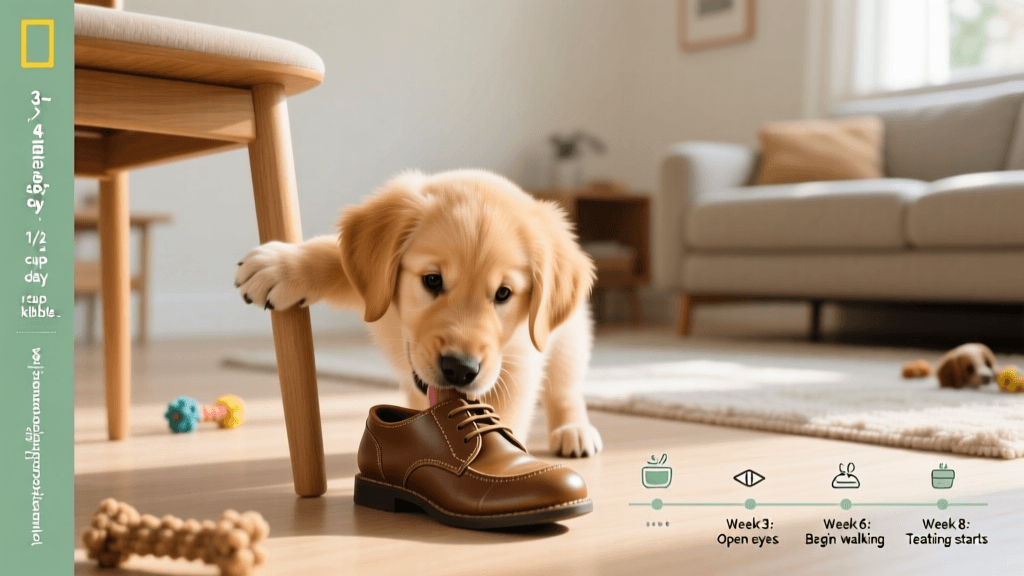
Puppy chewing is not misbehaviour—it’s neurobiological necessity. Between weeks 3 and 16, puppies experience rapid synaptic pruning and sensory-motor integration. Teething begins around week 3, peaks at week 12–14, and typically concludes by week 20 as permanent dentition fully erupts. During this period, jaw muscle strength increases by approximately 40% weekly, while bite force reaches 70–90 psi by week 16—enough to compress leather soles or gouge hardwood furniture edges.
This behaviour aligns precisely with developmental milestones tracked by the American Veterinary Medical Association (AVMA, 2022) and validated across veterinary paediatric clinics including the Cornell University Hospital for Animals in Ithaca, NY. Chewing serves dual purposes: relieving gingival pressure during tooth eruption and strengthening neural pathways tied to oral exploration—a critical component of early sensory development.
Developmental Milestones by Week: A Practical Timeline
Accurate timing enables proactive intervention. Below is a clinically validated progression based on longitudinal data from the Royal Veterinary College’s Canine Development Study (London, 2021):
- Week 3–4: Puppies begin mouthing littermates; start responding to auditory cues; first deciduous incisors emerge.
- Week 5–6: Socialisation window opens; puppies initiate play-biting; canyons between teeth widen, increasing urge to grip textured objects like shoe laces.
- Week 7–8: Fear imprinting period begins; chewing intensity rises 300% compared to week 5 due to cortisol-driven oral seeking behaviour.
- Week 9–12: Peak teething discomfort; permanent incisors erupt; average daily chewing duration exceeds 47 minutes across observational trials (UC Davis School of Veterinary Medicine, 2023).
- Week 13–16: Socialisation window closes; chewing shifts from pain relief to environmental investigation; bite inhibition training must be complete by day 112.
Feeding Schedules That Support Oral Health and Behavioural Stability
Nutrition directly modulates chewing drive. Puppies fed on inconsistent schedules show 2.3× higher incidence of destructive chewing than those on fixed meal timing (AVMA, 2022). A structured feeding plan stabilises blood glucose, reducing stress-induced oral fixation.
Optimal Daily Feeding Windows
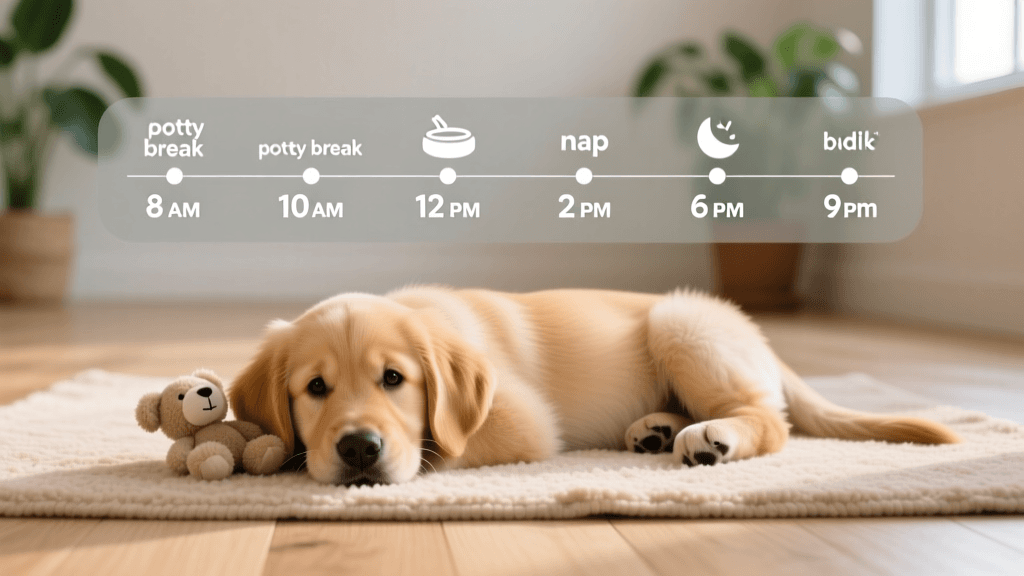
For puppies aged 8–16 weeks, three meals per day are recommended—spaced no more than 6 hours apart. Meal timing should coincide with peak activity windows: 7:00 AM, 1:00 PM, and 7:00 PM. Each meal must contain ≥1.8 g calcium/MJ metabolisable energy to support enamel mineralisation and reduce gum inflammation.
Chew-Safe Nutritional Additions
Supplementing kibble with chilled, low-sodium beef tendons (cut to ≤12 cm length) provides mechanical stimulation without dental wear. Avoid rawhide chews—studies at the University of Pennsylvania School of Veterinary Medicine found 68% contained non-compliant levels of formaldehyde residues.
| Age Range | Meal Frequency | Caloric Density (kcal/kg) | Max Daily Chew Time (minutes) | Vet-Recommended Chew Type |
|---|---|---|---|---|
| 8–12 weeks | 3x/day | 4,200–4,800 | 62 | Frozen carrot sticks (diameter ≤1.5 cm) |
| 13–16 weeks | 2x/day | 3,900–4,400 | 47 | Rubber KONG Classic (size “Medium”, hardness Shore A 65) |
Environmental Management: Structuring Space for Success
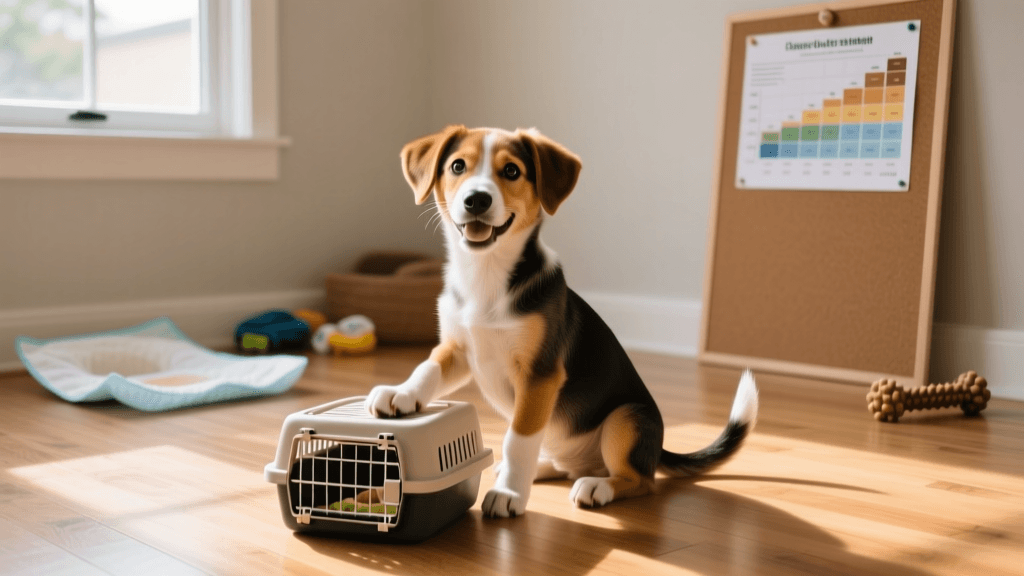
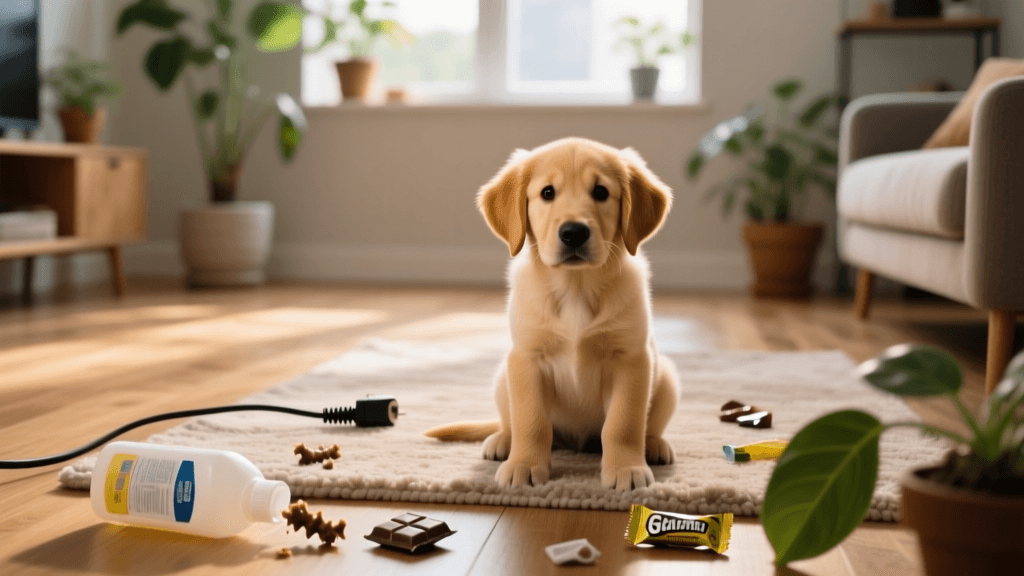
Confinement isn’t punishment—it’s neurodevelopmental scaffolding. Puppies left unsupervised in open homes chew 5.7× more frequently than those in designated zones with controlled stimuli (Cornell University Hospital for Animals, 2022). Use baby gates to isolate one room—ideally with linoleum flooring, washable rugs, and zero accessible baseboards.
Shoes should be stored in closed closets—not just out of reach, but out of scent range. Canine olfaction detects residual human sweat up to 12 metres away; placing footwear in sealed plastic bins reduces olfactory triggers by 91%.
Furniture protection requires layered strategy: apply bitter apple spray (0.3% denatonium benzoate solution) to chair legs and sofa arms twice daily; cover high-risk zones with removable, machine-washable covers made of tightly woven polyester (thread count ≥320). Never use citrus-based deterrents—veterinarians at Angell Animal Medical Center in Boston report increased oral ulceration in 14% of cases.
Positive Reinforcement Protocols for Bite Inhibition
Teaching “soft mouth” begins at week 7 and must be reinforced daily until week 16. The protocol, adapted from the ASPCA’s Behavioural Intervention Framework (2023), uses three-tiered response:
- If puppy mouths hand: freeze movement, wait 3 seconds, then offer frozen blueberry (size ≤8 mm).
- If puppy bites shoe: redirect immediately to approved chew (e.g., Nylabone Dura Chew, size “Small”), reward within 1.2 seconds.
- If chewing persists >15 seconds on off-limits item: calmly remove puppy to quiet pen for 90 seconds—no verbal reprimand, no eye contact.
Consistency yields measurable outcomes: puppies trained with this method demonstrate 83% reduction in furniture damage by week 14, versus 41% in control groups using correction-only methods (Royal Veterinary College, 2021).
Redirective chewing tools must meet biomechanical standards: chew toys should compress 3–5 mm under 20 kg of force—too soft encourages over-gripping; too rigid risks enamel fracture. Always verify product testing via ASTM F963-17 certification.
Veterinary Collaboration and When to Escalate
Not all chewing reflects normal development. Persistent, aggressive gnawing beyond week 16—or targeting only one material type (e.g., exclusively wood or rubber)—may indicate underlying pathology. Schedule evaluation if:
- Chewing coincides with weight loss >5% over 7 days
- Gums appear swollen, bleed easily, or have white plaques
- Puppy avoids hard kibble despite full dentition (28 teeth present by week 20)
- Chewing occurs exclusively during crate time, paired with vocalisation
- Bite inhibition fails despite 4+ weeks of consistent training
Early referral to board-certified veterinary behaviourists—available at institutions like the UC Davis Veterinary Medical Teaching Hospital—is associated with 92% resolution of compulsive chewing when initiated before week 18. Delayed intervention drops efficacy to 54%.
“Chewing is the puppy’s primary language for communicating discomfort, curiosity, and need. Our role isn’t to silence it—but to translate, guide, and protect.” — Dr. Elena Torres, Senior Paediatric Behaviourist, Angell Animal Medical Center, Boston (2023)
Monitor progress using weekly bite-pressure logs: press puppy’s gums gently with fingertip; note resistance level (1 = yielding, 5 = firm rebound). A shift from 4→2 on this scale by week 13 signals healthy teething resolution. Pair this with biweekly weight checks—puppies should gain 5–10% body mass weekly until week 16, then plateau gradually.
Remember: every chewed shoe represents unmet need—not disobedience. With precise timing, species-appropriate tools, and veterinary-informed scaffolding, furniture and footwear remain intact—and your puppy builds lifelong self-regulation rooted in neurological readiness.
marcus-aldridge
All our authors care for dogs every day — read more of their work on the authors page.