Puppy Bonding in 2026: Hand-Feeding & Scent Game Routines
Discover 2026's top puppy bonding techniques using hand-feeding protocols and scent games to build deep trust and prevent behavioral issues in the first 90 days.
The Evolution of Puppy Bonding in 2026
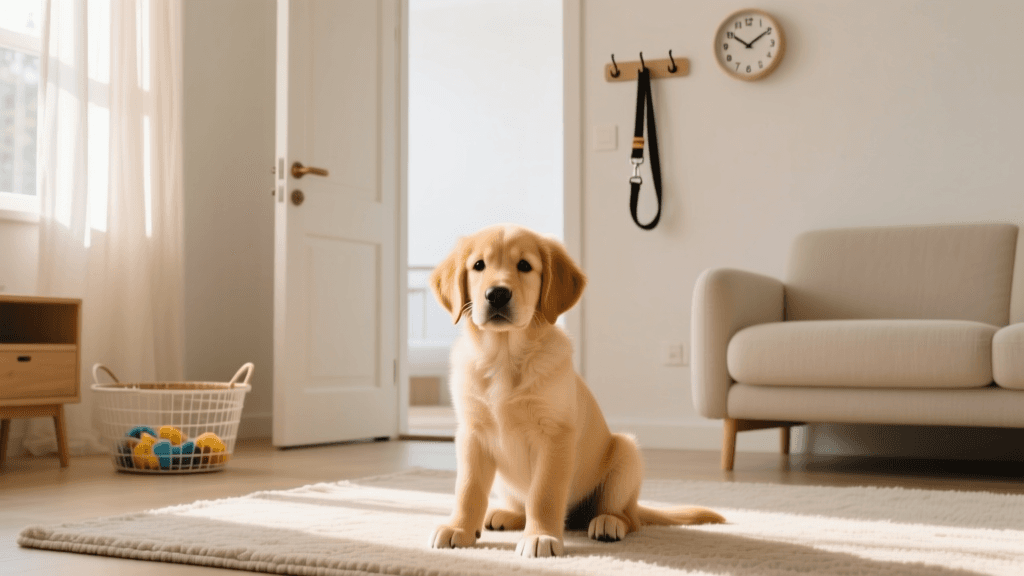
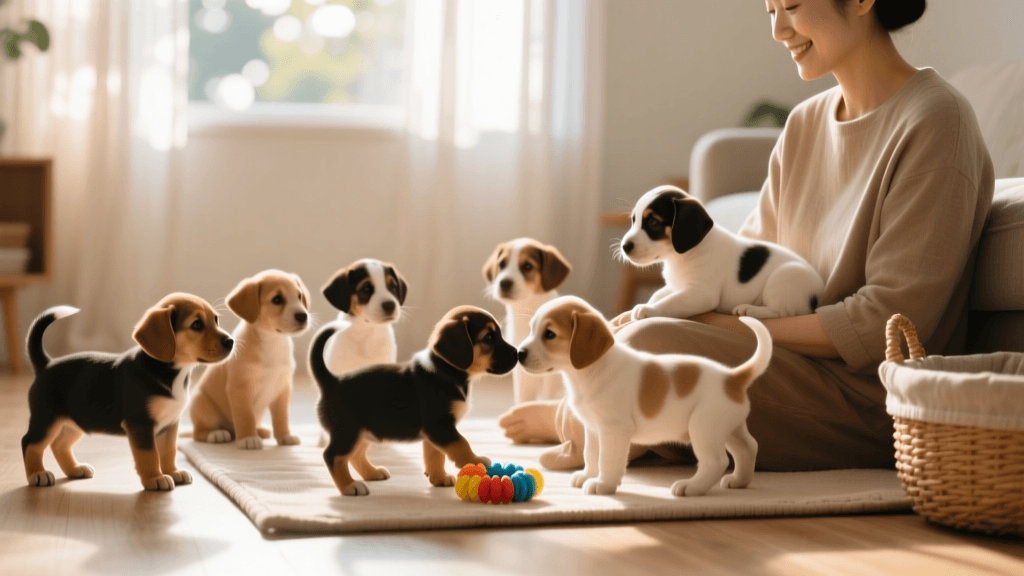
Welcoming a new puppy into your home is one of life's most rewarding experiences, but building a foundational bond requires more than just cuddles and playtime. As we move through 2026, veterinary behaviorists and certified dog trainers have increasingly shifted away from passive bonding methods toward active, neurobiologically driven routines. Modern canine science tells us that the first 90 days of a puppy's life are a critical window for shaping their attachment style, impulse control, and overall confidence. By integrating structured hand-feeding protocols and targeted scent-work games into your daily routine, you can forge an unbreakable relationship built on mutual trust and clear communication.
According to the American Kennel Club, intentional bonding exercises during the crucial socialization period significantly reduce the likelihood of separation anxiety and resource guarding later in life. This guide will walk you through the exact hand-feeding and scent-based routines recommended by top behaviorists in 2026 to maximize your connection with your new puppy.
The Neurobiology of the Human-Puppy Bond
When you interact positively with your puppy, both of your brains release oxytocin, often referred to as the 'love hormone.' However, passive petting only scratches the surface of this neurochemical loop. Active engagement—where the puppy must use their brain and nose to interact with you—creates a much deeper, more resilient bond. In 2026, the focus of early puppy care has heavily pivoted toward enrichment-based bonding. Instead of simply placing a bowl of kibble on the floor, modern puppy owners are leveraging their dog's natural foraging instincts to turn every meal into a bonding opportunity.
Hand-Feeding: The Ultimate Trust Protocol
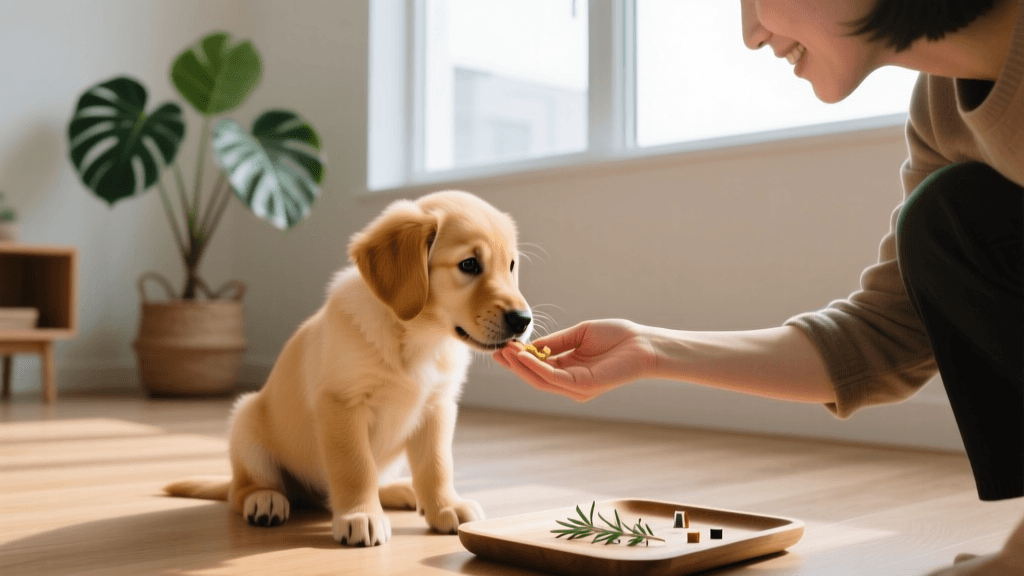
Hand-feeding is arguably the most powerful tool in your early bonding arsenal. By becoming the sole source of your puppy's nutrition, you instantly elevate your value in their eyes. This is particularly crucial for preventing resource guarding, a common behavioral issue that arises when dogs feel they must protect their food from humans.
Step 1: Ditch the Bowl
For the first 30 days your puppy is home, remove the traditional food bowl entirely. Measure out their daily allotment of high-quality kibble or freeze-dried raw food—such as the highly rated 2026 Stella and Chewy's Puppy Recipe—and keep it in a treat pouch on your hip. Throughout the day, require your puppy to 'earn' their meals through simple interactions.
Step 2: The 'Sit-to-Earn' Foundation
Before delivering a piece of kibble, wait for your puppy to offer a sit or simply make eye contact. The moment they look at you, mark the behavior with a gentle 'yes' and deliver the food directly to their mouth. This teaches the puppy that focusing on you is the key to unlocking good things, laying the groundwork for rock-solid recall and attention commands later in life.
Step 3: Impulse Control and Gentle Taking
Puppies are notorious for 'shark teeth' and snatching food. If your puppy lunges or nips at your hand, immediately close your fist and withdraw it. Wait for them to back off and offer a calm behavior, like a sit or a lick, before opening your hand again. This teaches bite inhibition and gentle mouth manners, which are essential for a harmonious household.
Step 4: The 'Drop It' and 'Trade' Foundation
Resource guarding often stems from a puppy's fear that a human approaching means the loss of a valuable item. During hand-feeding sessions, occasionally offer a piece of high-value kibble, and as the puppy eats it, present an even higher-value treat (like a tiny piece of boiled chicken or a 2026-approved freeze-dried minnow). When they drop the first item to take the second, cheerfully say 'Trade!' This builds a lifelong understanding that giving something up to you always results in an upgrade, completely neutralizing the anxiety that leads to guarding.
Scent-Work Games for Cognitive Bonding
A dog's olfactory system is exponentially more powerful than ours, and engaging their nose is one of the fastest ways to build confidence and burn off mental energy. Scent-work is not just for adult detection dogs; in 2026, age-appropriate scent games are considered a mandatory component of early puppy enrichment.
Game 1: The Muffin Tin Snuffle
Take a standard 12-cup muffin tin and place a few pieces of strong-smelling treats (like freeze-dried salmon bits) in random cups. Cover all the cups with tennis balls or balled-up fleece scraps. Encourage your puppy to use their nose to find the treats and knock the covers off. This game builds problem-solving skills and associates your presence with fun, rewarding puzzles.
Game 2: Hide and Seek with Scent Articles
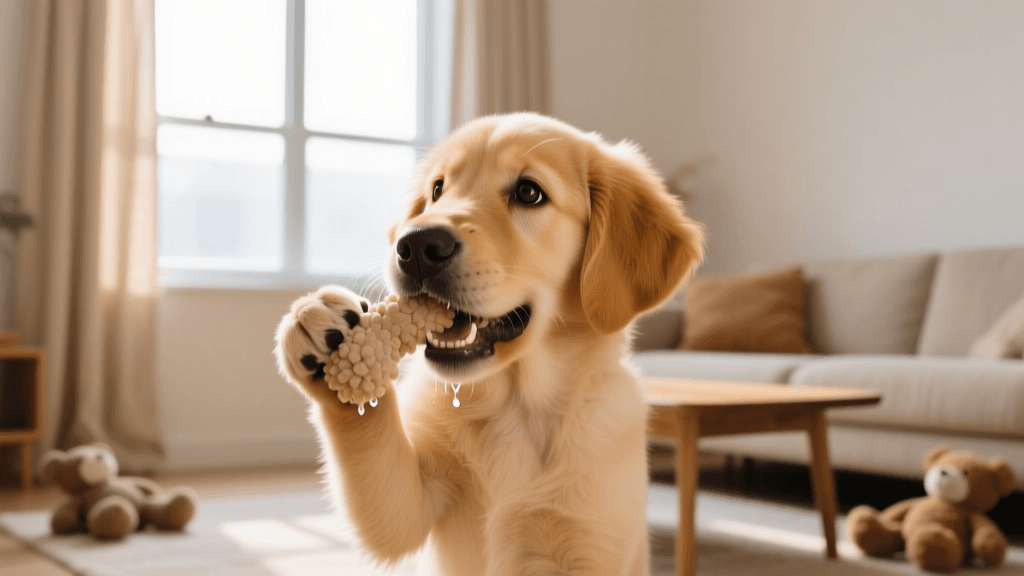
Start in a small, puppy-proofed room. Have a helper gently hold your puppy while you take a highly scented item, like a worn cotton sock or a specific 2026 KONG puppy teething toy, and hide it under a low piece of furniture or behind a door. Release your puppy and use an enthusiastic cue like 'Find it!' When they locate the item, reward them heavily with praise and a hand-fed treat. This builds a positive association with searching and returning to you.
Game 3: The Treat Trail
Drag a high-value treat along the floor to create a scent trail leading to a hidden jackpot of kibble or a favorite toy. Puppies naturally follow scent drag lines, and this taps into their primal tracking instincts while keeping them closely engaged with the environment you've set up for them.
Game 4: The Puppy Shell Game
Take three identical opaque cups and place a smelly treat under one while your puppy watches. Slowly shuffle the cups. Encourage your puppy to paw or nose the cup they believe holds the reward. This classic game builds intense focus on your hands and the objects you manipulate, reinforcing the idea that paying attention to your actions yields positive outcomes.
90-Day Bonding and Enrichment Schedule
Consistency is the bedrock of canine learning. Below is a structured 90-day schedule designed to progressively challenge your puppy's brain while deepening your bond. This framework aligns with current 2026 guidelines from the ASPCA regarding safe, age-appropriate mental stimulation.
| Puppy Age | Hand-Feeding Focus | Scent Game | Primary Bonding Goal |
|---|---|---|---|
| 8-9 Weeks | Basic kibble delivery for eye contact | Muffin Tin Snuffle (uncovered) | Establishing handler value and basic focus |
| 10-11 Weeks | Impulse control (waiting for the open hand) | Short Treat Trails (3-5 feet) | Teaching gentle manners and tracking basics |
| 12-13 Weeks | Recall rewards (calling from across the room) | Hide and Seek with Scent Articles | Building reliable recall and search confidence |
Troubleshooting Common Bonding Roadblocks
Over-Arousal and Zoomies
Sometimes, the excitement of hand-feeding or scent games can push a puppy over their arousal threshold, resulting in frantic zoomies or nipping. If this happens, you are asking for too much cognitive effort. Immediately stop the game, scatter a handful of kibble on the floor (sniffing lowers a dog's heart rate), and give them a mandatory nap in their crate or playpen. Puppies need 18 to 20 hours of sleep per day, and sleep deprivation is a primary enemy of bonding.
Disinterest in Food
If your puppy is ignoring your hand-feeding attempts, evaluate their environment. Are there too many distractions? Is the kibble too boring? In 2026, many owners find success by upgrading to single-ingredient freeze-dried toppers, such as Ziwi Peak venison or beef, to increase the palatability of the reward. Ensure you are training before their regular meal times when their motivation is naturally highest.
Conclusion: A Lifetime of Trust
The effort you invest in your puppy's first 90 days will echo throughout their entire life. By replacing passive feeding with intentional hand-feeding protocols and engaging their powerful nose through scent-work, you are doing much more than just entertaining a young dog. You are wiring their brain to seek you out, trust your guidance, and view you as the ultimate source of safety and reward. Embrace these 2026 bonding routines, stay patient through the messy moments, and watch your puppy blossom into a confident, deeply connected companion.
beth-carrasco
All our authors care for dogs every day — read more of their work on the authors page.