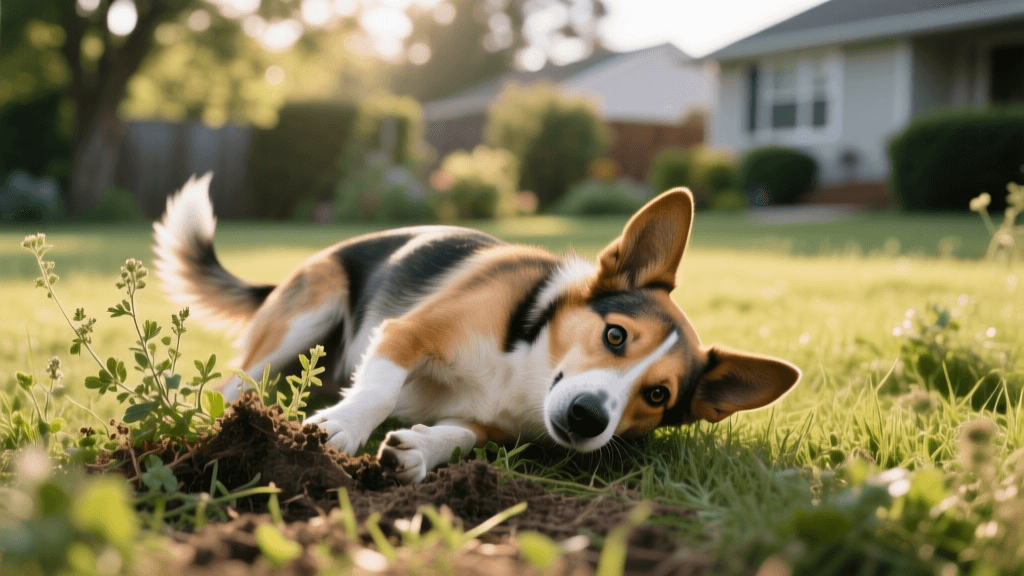
Understanding Puppy Biting: Teething Timelines and Training
Learn why puppies bite, explore teething timelines, and discover actionable training tips to stop mouthing behavior for first-time dog owners.
Why Do Puppies Bite? The Psychology of Mouthing
For first-time dog owners, the sharp, needle-like teeth of a new puppy can be a shocking reality. When you bring home an eight-week-old puppy, you might envision peaceful cuddles and gentle play. Instead, you are often greeted with chomped ankles, bitten fingers, and shredded pant legs. It is crucial to understand that puppy biting and mouthing are not signs of aggression or a bad temperament. Rather, they are deeply ingrained developmental behaviors rooted in canine psychology and biology.
Puppies do not have hands to explore their environment. Just as human toddlers use their hands to touch, grab, and understand the world around them, puppies use their mouths. This tactile exploration is how they learn about textures, shapes, and the boundaries of their physical space. Furthermore, mouthing is a primary mode of social play. In the litter, puppies wrestle and bite one another to establish social hierarchies and learn bite inhibition—the ability to control the force of their jaw. According to the ASPCA's guide on puppy mouthing, when a puppy bites a littermate too hard, the sibling will yelp and stop playing. This natural feedback loop teaches the puppy that hard bites end the fun.
When a puppy transitions to a human home, they often attempt to use this same play style with their new family. Because human skin is vastly more sensitive than a dog's fur, what the puppy considers a gentle play bite feels like a painful attack to us. Understanding this psychological baseline is the first step toward addressing the behavior with empathy and effective training, rather than frustration.
The Puppy Teething Timeline: What to Expect
Alongside the psychological drive to explore, puppies are also dealing with significant physiological changes. Teething is a painful, itchy, and uncomfortable process that drives puppies to chew on anything they can find to relieve the pressure in their gums. As a first-time owner, knowing the teething timeline helps you anticipate behavioral shifts and prepare your home accordingly.
Below is a comprehensive breakdown of the puppy teething stages, complete with symptoms and actionable advice to help you manage each phase.
| Age Range | Developmental Stage | Common Symptoms | First-Time Owner Action Plan |
|---|---|---|---|
| 2-4 Weeks | Deciduous (Baby) Teeth Emerge | Nursing difficulties, mild fussiness, increased chewing on littermates. | Leave to the breeder; monitor closely if fostering. Ensure the mother is not suffering from mastitis due to sharp teeth. |
| 5-8 Weeks | Full Baby Dentition and Socialization | High-energy play biting, yelping, learning bite inhibition from siblings. | Do not separate from the litter before 8 weeks. Observe litter dynamics to ensure the puppy is learning proper bite pressure. |
| 12-16 Weeks | Adult Teeth Begin Erupting | Excessive chewing, drooling, mild gum bleeding, finding baby teeth on the floor. | Introduce chilled rubber toys. Offer frozen carrots or ice cubes to numb sore gums. Begin structured redirection training. |
| 4-6 Months | Peak Teething Discomfort | Destroying furniture, intense mouthing of hands, irritability, loss of appetite. | Provide structured chew sessions. Use durable, puppy-specific chew toys. Puppy-proof your home and restrict access to valuable items. |
| 6-8 Months | Adult Dentition Complete | Decreased destructive chewing, stronger jaw pressure, settling of adult bite. | Transition to adult dental chews and heavy-duty rubber toys. Schedule a veterinary dental check to ensure no retained baby teeth. |
The American Kennel Club (AKC) emphasizes that while teething ends around six months, the habit of mouthing can persist if not actively trained out of the dog during this critical developmental window.
Actionable Training Strategies to Stop Biting
Managing puppy biting requires a consistent, multi-faceted approach. You cannot simply tell a puppy no and expect them to understand. Instead, you must teach them what to do with their mouth and how to control their impulses. Here are three highly effective, step-by-step strategies for first-time owners.
1. The Yelp and Ignore Method (Teaching Bite Inhibition)
This method mimics the natural feedback loop puppies experience with their littermates. When your puppy's teeth touch your skin, immediately let out a high-pitched, exaggerated Ouch! or yelp. This sound should startle them slightly, causing them to back off. The moment they release your skin and pull away, wait for 10 to 15 seconds of calm behavior, then praise them softly and resume play. If the puppy becomes more excited by the yelp and bites harder, this method may not be suited for their specific temperament, and you should move to the time-out method below.
2. The Redirection Technique
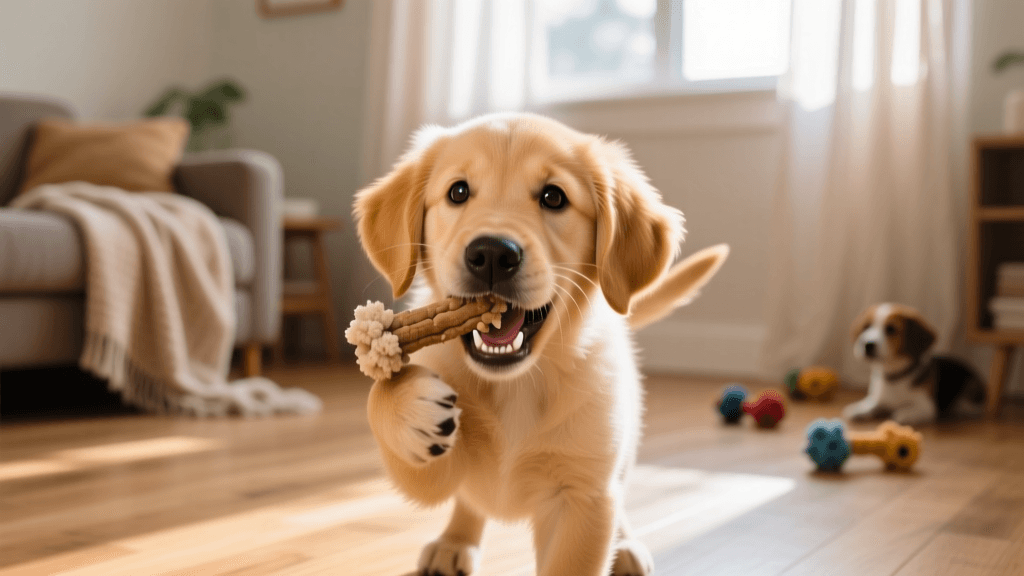
Puppies need to chew; it is a biological imperative. The goal is not to stop the chewing, but to redirect it to appropriate items. Keep a variety of approved chew toys in your pockets or scattered in the rooms where you spend the most time. When the puppy approaches with that familiar glint in their eye, or the moment they latch onto your pant leg, immediately present a toy. When they bite the toy, offer enthusiastic verbal praise. You are teaching them that human skin equals the end of play, while rubber and rope toys equal praise and continuation of the game.
3. The 30-Second Time-Out
If redirection and yelping fail, it is time to implement a structured time-out. This is not a punishment, but rather a way to remove the puppy from an overstimulating environment. The Humane Society of the United States recommends using a boring, safe space for brief periods. When a hard bite occurs, say a neutral marker word like Too bad, calmly pick up the puppy (or lead them by the collar), and place them in a designated puppy playpen or a small, dog-proofed bathroom for exactly 30 to 60 seconds. Do not yell, scold, or make eye contact during this process. After the time is up, release the puppy and immediately offer an appropriate chew toy. This teaches the puppy that biting human skin results in an immediate loss of social interaction.
Essential Products for Managing Puppy Biting
Having the right tools on hand can make the difference between a frustrating puppy phase and a manageable one. Here is a curated list of products with estimated costs to help you prepare:
- KONG Classic Puppy (Approx. $12 - $15): Made from a softer, puppy-specific rubber formula. Fill the hollow center with plain, unsweetened yogurt or soaked kibble and freeze it for two hours. The cold rubber soothes inflamed gums, while the foraging activity tires out their brain, reducing hyperactive biting.
- MidWest Homes for Pets Puppy Playpen (Approx. $60 - $80): Essential for the time-out method and general management. A playpen allows the puppy to remain in the same room as the family (preventing isolation anxiety) while physically preventing them from practicing unwanted biting behaviors when they become over-tired.
- Nylabone Puppy Chew Toys (Approx. $8 - $12): Designed with raised bristles that help clean teeth and massage sore gums during the peak 4-6 month teething window. Ensure you buy the Puppy specific line, as adult Nylabones are too hard and can fracture developing baby teeth.
- Snuffle Mat (Approx. $20 - $30): While not a chew toy, a snuffle mat forces the puppy to use their nose to find hidden treats. Fifteen minutes of snuffling is mentally equivalent to an hour of physical exercise. A tired puppy is a well-behaved puppy who is far less likely to engage in frenzied ankle-biting.
Differentiating Normal Mouthing from Aggression
First-time owners often panic, wondering if their puppy's biting is a sign of future aggression. It is vital to understand the difference between normal developmental mouthing and true aggressive behavior. Normal puppy biting is usually accompanied by loose, wiggly body language, play bows (front elbows on the ground, rear end in the air), and a relaxed, open mouth. The puppy may growl, but it is a playful, high-pitched rumble.
In contrast, true aggression is rare in young puppies and is characterized by stiff body posture, a hard, unblinking stare, raised hackles (the hair on the back of the neck), and deep, guttural snarling. If a puppy is resource guarding (biting aggressively when you approach their food bowl or a stolen item) or displaying fear-based aggression (biting while cowering and trying to escape), this is outside the scope of normal teething and play. In these specific instances, consult a certified professional dog trainer or a veterinary behaviorist immediately. Early intervention is critical for modifying aggressive tendencies before they become entrenched adult behaviors.
Consistency is the Key to Success
Surviving the puppy biting phase requires immense patience and unwavering consistency. Every member of the household must enforce the same rules; if one person allows the puppy to mouth their hands while another person scolds them for it, the puppy will become confused, and the training will fail. Remember that your puppy is not giving you a hard time; they are simply having a hard time navigating a confusing human world with a mouth full of sharp, aching teeth. By understanding the psychology behind the behavior, anticipating the teething timeline, and utilizing structured redirection and management tools, you will guide your puppy through this phase and build a foundation of gentle, respectful interaction that will last a lifetime.
tom-renshaw
All our authors care for dogs every day — read more of their work on the authors page.