2026 Puppy Agility Foundation: Safe Body Awareness Tips
Discover safe 2026 puppy agility foundation exercises. Build body awareness, focus, and drive without risking growth plates in your pup's first year.
The Evolution of Puppy Sports Training in 2026
When it comes to raising a future canine athlete, the first twelve months of your puppy's life are the most critical. In 2026, the dog sports community has fully embraced a science-backed approach to early development, moving away from premature equipment work and focusing heavily on foundation flatwork, body awareness, and mental engagement. Whether your goal is to compete in agility, obedience, rally, or fast CAT (Coursing Ability Test), building a robust physical and mental foundation during your puppy's first year is essential. This guide will walk you through the safest, most effective methods for introducing your puppy to the world of dog sports without compromising their developing joints.
Understanding Growth Plates and Joint Safety
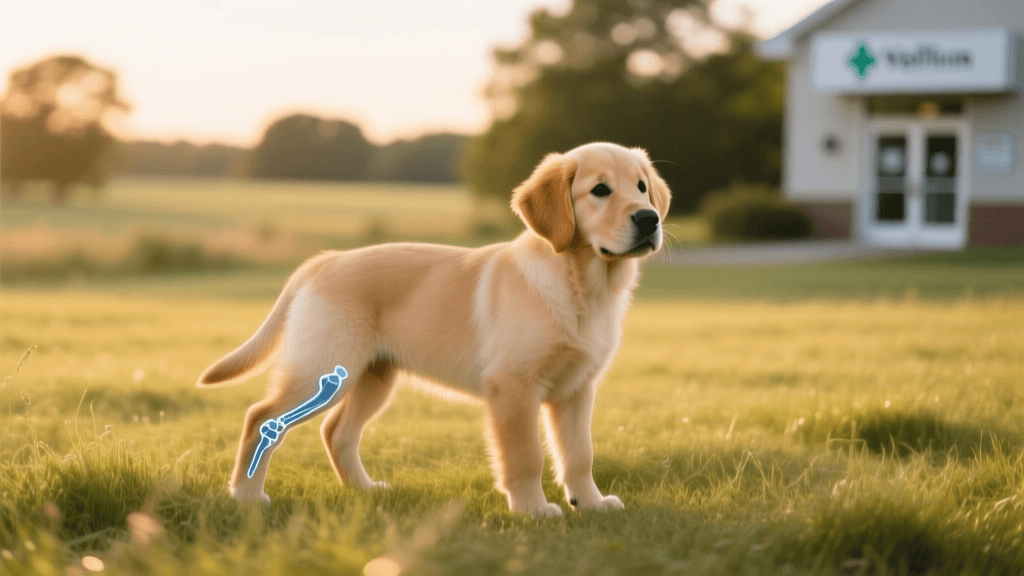
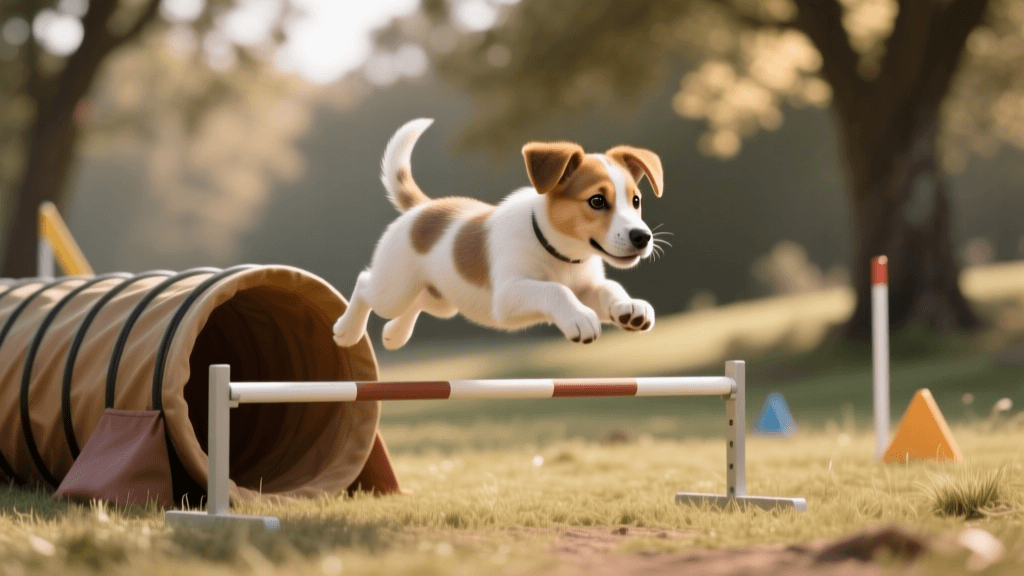
Before introducing any sports-specific movements, it is vital to understand canine sports medicine. Puppies have open growth plates at the ends of their long bones. These plates are made of soft, vulnerable cartilage that does not fully close and calcify into solid bone until the dog is anywhere from 12 to 18 months old, depending on the breed and size. Forcing a puppy to jump over hurdles, weave through poles, or navigate steep A-frames before their growth plates have closed can lead to micro-fractures, permanent joint deformities, and early-onset arthritis.
According to the American Kennel Club (AKC) Agility guidelines, puppies should not engage in repetitive jumping or high-impact equipment work until they are physically mature. Instead, the first year should be dedicated to 'flatwork'—training that occurs entirely on the ground. This approach builds the necessary muscle memory, coordination, and handler focus required for high-level competition later in life, all while keeping your growing puppy safe.
Essential Flatwork and Body Awareness Exercises
Body awareness is the cornerstone of all dog sports. A dog that knows exactly where its front and rear paws are will be faster, more precise, and less prone to injury on the field. Here are three foundational exercises you can safely practice during your puppy's first year.
1. The Front Paw Perch Pivot
This exercise teaches rear-end awareness, which is crucial for tight turns on an agility course and precise heeling in obedience. You will need a small, stable, non-slip platform (often called a 'perch' or 'disc') that is just high enough for your puppy to notice their paws on it, usually around one to two inches.
- Step 1: Lure or shape your puppy to place both front paws on the perch. Reward heavily for maintaining this position.
- Step 2: Once they are comfortable, take a small step to the left. Your puppy should keep their front paws planted on the disc and move their hind legs to the right to follow you.
- Step 3: Reward any movement of the hind legs. Gradually build up to a full 360-degree pivot in both directions.
This exercise strengthens the core and hindquarters while teaching the dog to move their back end independently of their front end.
2. Ground-Level Cavaletti Poles
Cavaletti poles are low rails spaced at specific distances to encourage a dog to lift their paws, stretch their spine, and engage their core. In 2026, adjustable foam Cavaletti sets are the gold standard for puppy homes because they are lightweight, safe, and easily adjustable to your puppy's growing stride length.
Set up four to six poles on the ground. The distance between the poles should match your puppy's natural walking stride. Walk beside your puppy at a slow, steady pace, allowing them to figure out how to navigate the poles without tripping. Do not rush them. This exercise improves proprioception (the awareness of body position in space) and builds the topline muscles necessary for athletic longevity. As your puppy grows each month, simply adjust the spacing to match their new stride.
3. Backing Up in a Straight Line
Teaching a puppy to back up in a straight line is incredibly useful for distance handling in agility and utility exercises in obedience. Start in a narrow hallway or use a baby gate to create a chute so the puppy cannot swing their hindquarters to the side.
Stand facing your puppy, take a gentle step toward them, and use a verbal cue like 'back up.' The moment they take a single step backward, mark the behavior with a clicker or a 'yes' and toss a treat behind them. Slowly increase the criteria, requiring two steps, then three, before rewarding. This builds hind-leg coordination and teaches the dog to shift their weight backward, a vital skill for navigating tight course angles.
2026 Puppy Agility Training Schedule & Milestones
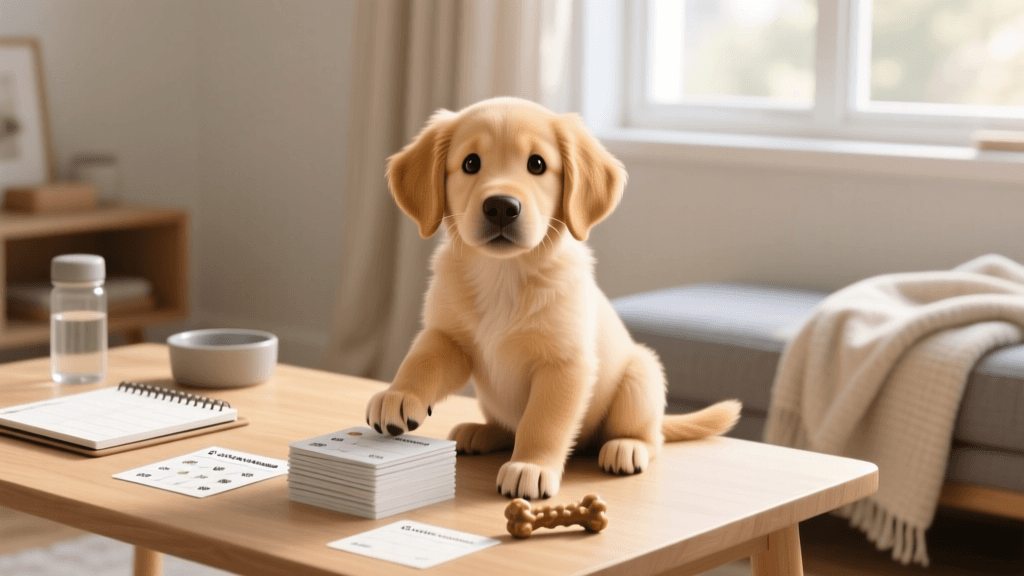
Structuring your puppy's first year ensures you hit critical developmental windows without overexerting their growing bodies. The following table outlines a safe, progressive training schedule aligned with modern canine sports medicine.
| Puppy Age | Allowed Foundation Exercises | Strictly Restricted Activities |
|---|---|---|
| 8 - 12 Weeks | Perch pivots, target training, basic tug, socialization to noisy environments, ground-level ladder walks. | Any jumping, weaving, stairs, forced running on hard surfaces, repetitive fetching. |
| 3 - 6 Months | Cavaletti poles (ground level), straight-line backing, impulse control games, introduction to wobble boards. | Jumps higher than wrist height, dog-walk or A-frame, weave poles, high-impact disc dog. |
| 6 - 12 Months | Advanced flatwork, jump bumpers (under elbow height), tunnel running (straight or mild curves), start-line stays. | Full-height jumps, tight tunnel turns, repetitive weave pole entries, extreme physical conditioning. |
| 12 - 18 Months | Gradual introduction to full equipment (pending veterinary x-ray clearance of growth plates). | None, provided the dog has received veterinary clearance for full-impact sports. |
Building Drive and Impulse Control
Physical body awareness is only half of the equation; a successful sports dog must also possess high drive and excellent impulse control. During the teething phase (typically between 4 and 6 months), your puppy's desire to bite and tug may fluctuate due to mouth soreness. Accommodate this by offering soft, plush tug toys or biothane toys that are gentle on developing adult teeth.
Use tug games not just as a reward, but as a training tool for arousal and impulse control. Teach your puppy the 'out' or 'drop' command early. A dog that can engage in an intense game of tug, immediately drop the toy on cue, and offer a calm sit is demonstrating the exact impulse control required for a reliable start-line stay in agility. The UK Kennel Club Agility resources frequently emphasize that a dog's ability to switch between high arousal and calm focus is the true hallmark of a well-trained competitor.
Recommended Gear for Early Foundation Work
Investing in the right equipment for your puppy's first year will save you time and prevent bad habits. Here are the top gear recommendations for 2026:
- Modular Foam Cavaletti Sets: Unlike heavy wooden poles, high-density foam sets are safe if your puppy trips and can be easily adjusted in height and width using interlocking bases.
- Non-Slip Training Mats: Puppies are clumsy. Practicing pivots and sits on slippery hardwood floors can cause splaying and hip strain. Interlocking foam mats or specialized rubberized training rugs provide the necessary traction for confident footwork.
- Magnet Balls and Food Flirt Poles: These tools allow you to reward your puppy at a distance, encouraging speed and forward focus without having to constantly bend down to hand-feed.
- Target Lids: Simple, brightly colored plastic lids (like those from sour cream containers) are excellent for teaching nose touches and sending your puppy out to a target, a foundational skill for distance handling.
Final Thoughts on Long-Term Athleticism
Raising a puppy for dog sports is a marathon, not a sprint. The most successful competitors in 2026 are those who spent their dog's first year meticulously building a foundation of body awareness, confidence, and joy in training. By respecting your puppy's physiological limits and focusing on safe, ground-level flatwork, you are investing in a long, healthy, and triumphant athletic career. Enjoy the puppyhood phase, celebrate the small milestones, and trust that the invisible foundation you are laying today will support the spectacular leaps your dog will take tomorrow.
jonas-cole
All our authors care for dogs every day — read more of their work on the authors page.