Puppy Agility Flatwork: Joint-Safe Foundation Drills for 2026
Discover joint-safe puppy agility flatwork drills for 2026. Build rear-end awareness, focus, and drive without risking growth plate injuries.
Introduction to Puppy Agility Flatwork
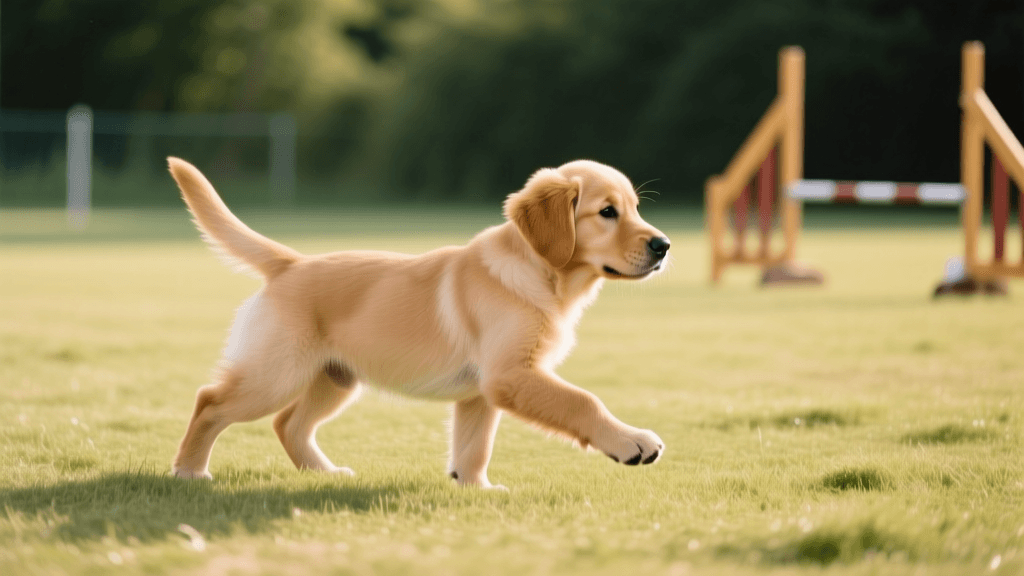
The world of competitive dog sports is more exciting than ever in 2026, with advanced handling techniques and faster course times dominating the international stage. For aspiring agility handlers, the desire to give a puppy a competitive edge is immense. However, the foundation of a successful agility dog is not built on the equipment; it is built on the flat. Flatwork—the practice of agility handling moves, body language, and obedience cues without any jumps or contact obstacles—is the cornerstone of a puppy's early sports education.
When approached correctly, puppy agility flatwork builds immense drive, handler focus, and spatial awareness. More importantly, it protects the puppy's developing skeletal system. In this comprehensive 2026 guide, we will explore the science behind canine growth plates, detail specific joint-safe foundation drills, and provide a structured training routine to prepare your puppy for a long, healthy, and victorious competition career.
The Science of Puppy Growth Plates and Joint Safety
Before introducing any physical demands to a puppy, it is critical to understand their skeletal development. Puppies are born with growth plates—soft areas of cartilage at the ends of their long bones where new bone tissue is produced. These plates are highly vulnerable to injury, repetitive stress, and high-impact forces. If a growth plate is damaged, it can close prematurely or heal unevenly, leading to lifelong orthopedic issues such as angular limb deformities or early-onset osteoarthritis.
According to the Fédération Cynologique Internationale (FCI) Agility Regulations, dogs are strictly prohibited from competing in agility classes until they are at least 18 months old for the Large height category, and 15 months for Medium and Small categories. These age limits are not arbitrary; they are based on extensive veterinary orthopedic data regarding when growth plates typically fuse. The American Kennel Club (AKC) Agility Training Guide similarly emphasizes that all training for dogs under one year of age must remain strictly on the ground, avoiding jumps, teeters, and dog walks entirely.
In 2026, the consensus among canine sports medicine specialists is that mental stimulation and flat-ground body awareness exercises are not just safe, but highly recommended for puppies. By focusing on flatwork, you can develop a highly trained, responsive athlete without subjecting their delicate joints to the concussive forces of jumping or the torque of tight turns on elevated equipment.
Essential Flatwork Drills for Puppies Under 12 Months
Below are the most effective, joint-safe flatwork drills you can practice with your puppy in 2026 to build a world-class foundation.
1. Paw Target Training (Nose and Paw)
Targeting teaches the puppy to interact with specific objects using their nose or paws. This is the foundational skill for teaching contact criteria (like the 2-on/2-off position on the A-frame and dog walk) later in their career.
- Nose Target: Present a small, flat target (like a plastic lid) on the ground. When the puppy sniffs it, mark the behavior with a clicker or a verbal 'Yes!' and reward. Gradually increase the distance and add handler movement.
- Paw Target: Place a slightly raised, stable target (like a rubber mat) on the ground. Lure or shape the puppy to place one, then two front paws on the mat. This builds confidence in stepping onto unfamiliar surfaces without requiring them to climb or jump.
2. Rear-End Awareness (The Perch Drill)
Most puppies are acutely aware of their front paws but have little idea where their hind legs are. Rear-end awareness is crucial for tight jumping wraps, weave pole entries, and preventing knocked bars.
- The Setup: Use a stable, low-profile perch, such as a rubber feed bowl flipped upside down or a specialized low training disc.
- The Execution: Lure the puppy's front paws onto the perch. Once they are standing with their front paws elevated, use a treat to slowly lure their nose in a circle around the perch. The goal is for the front paws to stay planted while the hind legs walk in a complete 360-degree circle.
- The Benefit: This drill builds incredible hindquarter strength, balance, and proprioception, all while keeping the dog safely on the flat ground.
3. Ground-Level Wraps and Cone Work
A 'wrap' is a tight turn around an obstacle. Teaching a puppy to collect their stride and turn tightly is essential, but doing it over a jump is dangerous for their joints. Instead, we use ground poles and cones.
- Cone Wraps: Place a tall, soft agility cone on the ground. Using a treat or a toy, lure the puppy around the cone in a tight U-shape. Reward heavily when they complete the turn and look back at you.
- Ground Poles: Lay a single PVC or wooden agility pole directly on the grass. Practice sending the puppy around the pole using your shoulder and arm signals. This teaches the puppy to read your body language for directional cues without the impact of landing from a jump.
4. Engagement and Recall to Heel
In modern agility, a dog that drives back to the handler after an obstacle is a fast dog. The 'recall to heel' or 'side' position is a vital flatwork skill.
- The Drill: Toss a treat a few feet away from you. As the puppy eats it and turns back toward you, take a step backward and pat your leg. When the puppy runs to catch up to you and aligns their shoulder with your leg, mark and reward with a high-value treat or a quick game of tug.
- Progression: Begin to incorporate this into your flat sequences. Send the puppy around a ground cone, and immediately recall them to your side. This mimics the flow of an actual agility course.
2026 Recommended Gear for Puppy Foundation Work
Investing in the right equipment ensures safety and accelerates learning. Below is a comparison of the top foundation gear recommended by agility instructors in 2026.
| Equipment Type | Top 2026 Recommendation | Primary Use Case | Estimated Cost |
|---|---|---|---|
| Training Platform | Klimb Dog Training Platform (Low Profile) | Rear-end awareness, contact criteria foundation, sit/stand stays. | $55 - $65 |
| Paw Targets | Silicone Paw Target Discs (Set of 4) | Front paw placement, teaching the puppy to seek out a specific spot. | $15 - $20 |
| Ground Poles | PVC Agility Ground Poles with Rubber Feet | Teaching wraps, threadles, and stride regulation without jumping. | $25 - $35 |
| Reward Toys | Chuckit! Flik Tug Toy or Real Fur Tugs | Building prey drive, rewarding fast recalls, and creating explosive engagement. | $12 - $25 |
Structuring a 10-Minute Puppy Training Session
Puppies have notoriously short attention spans. In 2026, positive reinforcement trainers emphasize the 'micro-session' approach. Keep your flatwork sessions to a strict 10-minute maximum to prevent mental fatigue and physical overexertion. Here is a sample session breakdown:
- Minutes 0-2: Engagement and Play. Start with a high-energy game of tug or chase to build drive and focus. Ensure the puppy is tugging upward to encourage a strong, confident neck posture.
- Minutes 2-5: Technical Skill Work. Practice 5 to 8 repetitions of a specific drill, such as the rear-end perch work or cone wraps. Keep the criteria high but the session short. If the puppy succeeds three times in a row, end the drill on a high note.
- Minutes 5-7: Sequence Integration. String two flatwork behaviors together. For example, send the puppy around a ground pole, then immediately recall them to your heel position for a reward.
- Minutes 7-9: Cool Down and Impulse Control. Transition to calm behaviors. Practice a 'place' command on a mat or a settle on a target disc. This teaches the puppy to switch off their drive, which is crucial for the start-line stays required in competition.
- Minute 10: Jackpot Reward and Release. End the session with a massive reward—a scatter feed of high-value treats or an enthusiastic game of fetch. Always leave the puppy wanting more.
Common Mistakes to Avoid in Early Agility Prep
Even with the best intentions, handlers can inadvertently set their puppies up for failure or injury. Avoid these common pitfalls:
- Repetitive Jumping: Never allow a puppy under 12 months to jump over obstacles, even low ones. The repetitive landing forces are the primary cause of growth plate micro-fractures.
- Training on Slippery Surfaces: Always conduct flatwork on a non-slip surface like grass, dirt, or specialized rubber agility matting. Training on hardwood floors or smooth tiles can cause splaying, leading to hip and shoulder strains.
- Over-Drilling: If your puppy starts sniffing the ground, scratching, or looking away, they are mentally saturated. Pushing through this will only teach them that agility is a chore. Respect their limits and end the session immediately.
- Neglecting the 'Off' Switch: Agility dogs need to know how to relax. If you only ever interact with your puppy in high-drive play or training modes, you will struggle to manage them in a chaotic trial environment. Incorporate crate games and mat settling into your daily routine.
Conclusion
Preparing a puppy for the agility ring is a marathon, not a sprint. By focusing on joint-safe flatwork during their first year, you are investing in their physical longevity and mental clarity. The drills outlined in this 2026 guide will forge a deep communication bond between you and your dog, ensuring that when their growth plates finally close and they are cleared for the equipment, they will step up to the start line with confidence, power, and precision. Remember, the fastest dogs on the course are not always the ones who started jumping the earliest; they are the ones with the strongest, most thoughtful foundations.
aaron-whyte
All our authors care for dogs every day — read more of their work on the authors page.