Puppy Agility Foundations 2026: Safe Games & Joint Care
Discover safe 2026 puppy agility foundation games, flatwork drills, and joint care protocols to build a confident sports dog without risking growth plates.
Introduction to Puppy Agility Foundations
Welcome to the exciting world of canine sports. If you are reading this in 2026, you already know that dog agility, rally obedience, and fast CAT (Coursing Ability Test) are more popular than ever. However, when it comes to puppies under twelve months of age, the golden rule of modern canine sports medicine is patience. Building a future agility champion does not mean putting a young puppy over jumps. In fact, early jumping is a primary cause of long-term orthopedic issues. Instead, the focus for a puppy must be on flatwork, body awareness, and relationship-building games. This comprehensive guide will walk you through the safest, most effective foundation training protocols for your future sports dog, ensuring they remain physically sound and mentally eager for the years to come.
The 2026 Veterinary Consensus on Puppy Joints
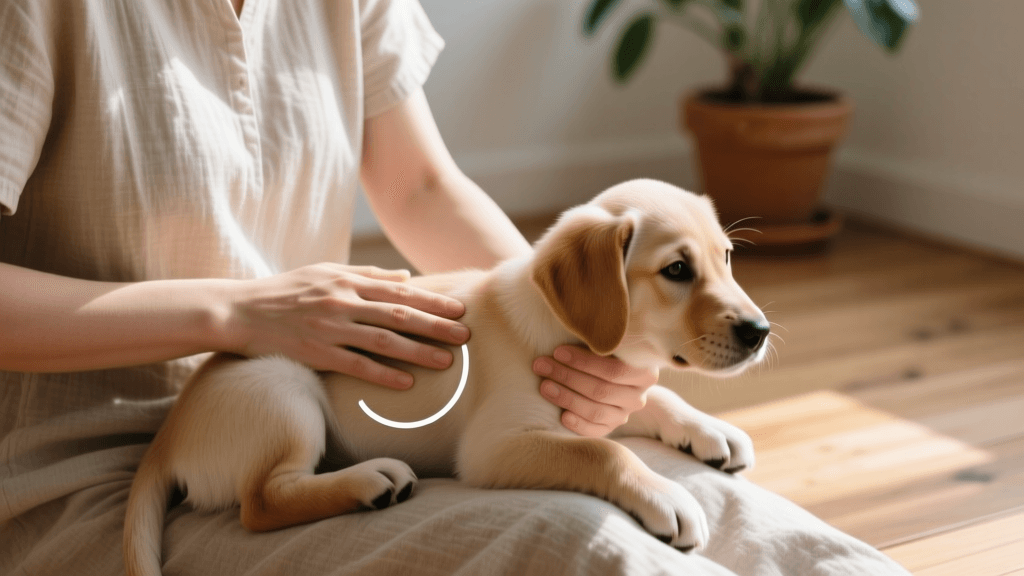
Understanding canine anatomy is critical before you ever step onto an agility field. Puppies are born with growth plates—soft areas of developing cartilage at the ends of their long bones. These plates are highly susceptible to injury from repetitive impact, twisting, or forced extension. According to veterinary orthopedic specialists, these growth plates do not fully close and ossify into solid bone until a dog is anywhere from twelve to twenty-four months old, depending on the breed and size. The AKC guide on puppy growth plates emphasizes that forced exercise and high-impact activities before these plates close can lead to physeal fractures, premature closure, and lifelong joint deformities. In 2026, the leading sports medicine veterinarians universally agree: no jumps, no high-speed weave poles, and no steep A-frame contacts for puppies. Free play on natural, uneven terrain is vastly superior to repetitive, high-impact drilling. Your goal during the first year is to build the dog's brain, not test their skeletal limits.
Age-Appropriate Training Milestones
To keep your training safe and structured, refer to this developmental timeline. This chart aligns with the latest 2026 canine sports medicine recommendations for large and medium breed puppies. Small breeds may mature slightly faster, but caution is always advised.
| Puppy Age | Physical Capabilities | Safe Foundation Activities | Activities to Strictly Avoid |
|---|---|---|---|
| 8 to 12 Weeks | Highly fragile joints, short attention span, rapid skeletal growth. | Nosework, basic recall, collar grabs, socialization on varied surfaces. | Any jumping, stairs, forced running, slip leads. |
| 3 to 6 Months | Teething phase, increased coordination, growth plates still wide open. | Paw targets, rear-end pivots, tunnel exposure (unrolled), shadow handling. | Jumps, weave poles, dog-walk, teeter-totter, repetitive fetching. |
| 6 to 9 Months | Adolescent growth spurts, temporary clumsiness, high mental energy. | Advanced flatwork, restrained sends, distance targeting, proprioception mats. | Full height jumps, weaving, high-impact landings, steep inclines. |
| 9 to 12 Months | Approaching skeletal maturity (breed dependent), improved muscle mass. | Low-height jump grids (under 4 inches), full tunnel runs, contact targets. | Full competition height jumps, repetitive A-frame, extreme twisting. |
Essential Flatwork Games for Puppies
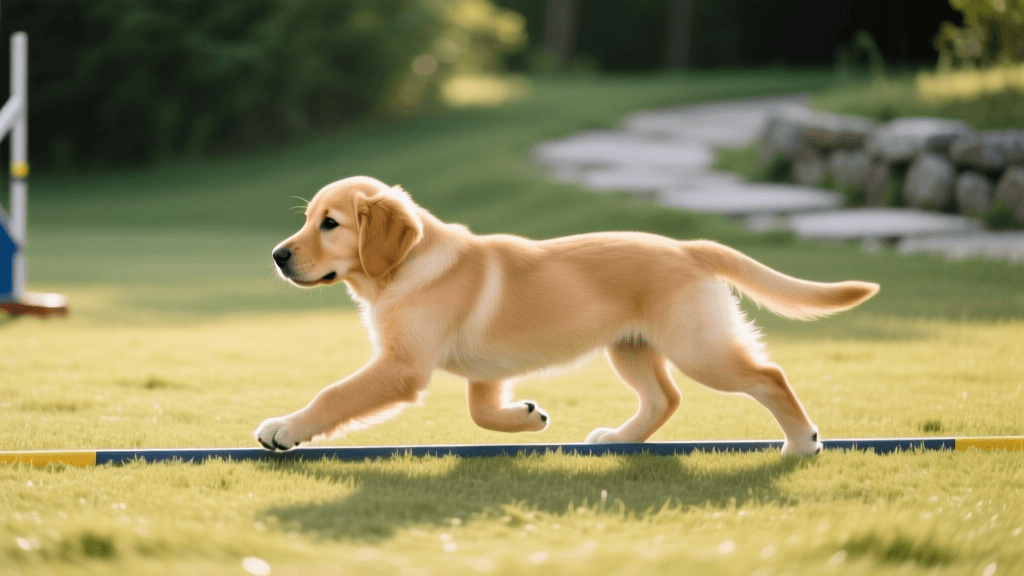
Flatwork refers to all the agility training you can do without any equipment or with equipment laid flat on the ground. Mastering flatwork creates a dog that understands cues, body language, and spatial awareness. The AKC agility training foundations highlight that dogs with excellent flatwork learn equipment much faster when they are finally of age.
The Paw Target (Nose and Paw Touch)
A paw target is a small, textured mat or plastic lid that teaches your puppy to seek out a specific spot and place their paws on it. This is the foundational skill for teaching contact zone behaviors on the A-frame and Dog Walk later in life. Start by placing the target on the floor. The moment your puppy investigates it and places even one paw on the mat, click a marker word or use a clicker, and reward with a high-value treat delivered directly on the mat. Over weeks, you can move the target to raised, stable surfaces like a low wooden plank. This builds the muscle memory of four paws aware without the dangerous impact of running down a steep ramp.
Rear-End Pivot Box
Agility requires a dog to move their hindquarters independently of their front end. Most puppies naturally move their whole body in a straight line, completely unaware of where their back feet are. To fix this, use a pivot box—a low, stable, non-slip wooden or plastic platform about the size of a large book. Lure your puppy onto the box with their front paws. Once their front feet are planted, use a treat to lure their nose in a tight circle, encouraging them to step their back feet around the box while keeping their front feet stationary. This rear-end awareness is crucial for future tight jumping turns, weave pole entries, and preventing knocked bars. Keep these sessions to under three minutes to avoid joint fatigue.
Restrained Recalls and Sends
Drive and speed are built through the emotional arousal of the chase. Have a helper gently hold your puppy by the chest or harness. Stand ten feet away, show a high-value toy or treat, and enthusiastically call your puppy's name. The helper releases the puppy, and they sprint to you for a massive game of tug or a food reward. This builds a blazing fast recall, which translates directly to speed on the agility course. Conversely, you can practice sends by holding your puppy while you toss a toy ten feet away, releasing them to chase it only after it lands. This teaches the dog to work away from you, a vital skill for distance handling in advanced agility and FCI international agility regulations courses.
Proprioception and Environmental Enrichment
Proprioception is the body's ability to sense its location, movements, and actions. For a sports puppy, developing a strong proprioceptive system means fewer injuries and better balance on the course. In 2026, canine physical therapists highly recommend incorporating varied surface walking into your daily routine. Walk your puppy through tall grass, over smooth river rocks, up gentle grassy hills, and through shallow, calm streams. Avoid slippery surfaces like polished hardwood floors or smooth tiles, as these can cause micro-sprains in developing hip and shoulder joints. Investing in a set of inflatable canine balance discs or peanut-shaped fitness balls allows you to do safe, low-impact core strengthening exercises in your living room. Simply having the puppy stand on the unstable surface while eating their daily kibble engages deep stabilizing muscles that protect the spine and joints during high-speed athletic maneuvers.
Nutrition and Joint Support for the 2026 Sports Puppy
You cannot out-train a poor diet, and for a growing sports prospect, nutrition is your first line of defense against orthopedic disease. Overfeeding is a massive risk factor for hip and elbow dysplasia, as excess weight places catastrophic stress on immature growth plates. Feed a high-quality, large-breed specific puppy formula that is calibrated to promote slow, steady growth rather than rapid weight gain. Look for diets that meet the World Small Animal Veterinary Association (WSAVA) guidelines and contain optimal levels of DHA for neurological development. Additionally, many 2026 sports medicine veterinarians recommend early intervention with joint supplements. Ingredients like green-lipped mussel extract, glucosamine hydrochloride, and chondroitin sulfate can provide the building blocks for healthy cartilage. Always consult your veterinary nutritionist to calculate the exact caloric needs of your specific breed, ensuring they remain lean and athletic throughout their first year.
Conclusion: Patience Builds Champions
Raising a puppy for dog sports is a marathon, not a sprint. The temptation to put a talented young dog over jumps or through weave poles can be overwhelming, especially when you see older dogs flying around the course. However, the most successful agility handlers in 2026 are those who dedicate the first twelve months entirely to flatwork, body awareness, and relationship building. By respecting your puppy's physiological development and focusing on the mental aspects of the sport, you are laying down a bedrock of confidence and physical resilience. When the growth plates finally close and your dog is cleared for full-height equipment, you will have a partner who is not only physically capable but mentally prepared to conquer any course in the world.
priya-sutaria
All our authors care for dogs every day — read more of their work on the authors page.