Puppy, Adult, or Senior: Choosing Your Dog's Life Stage
Discover whether a puppy, adult, or senior dog fits your lifestyle. Compare costs, training needs, and care for each life stage before adopting.
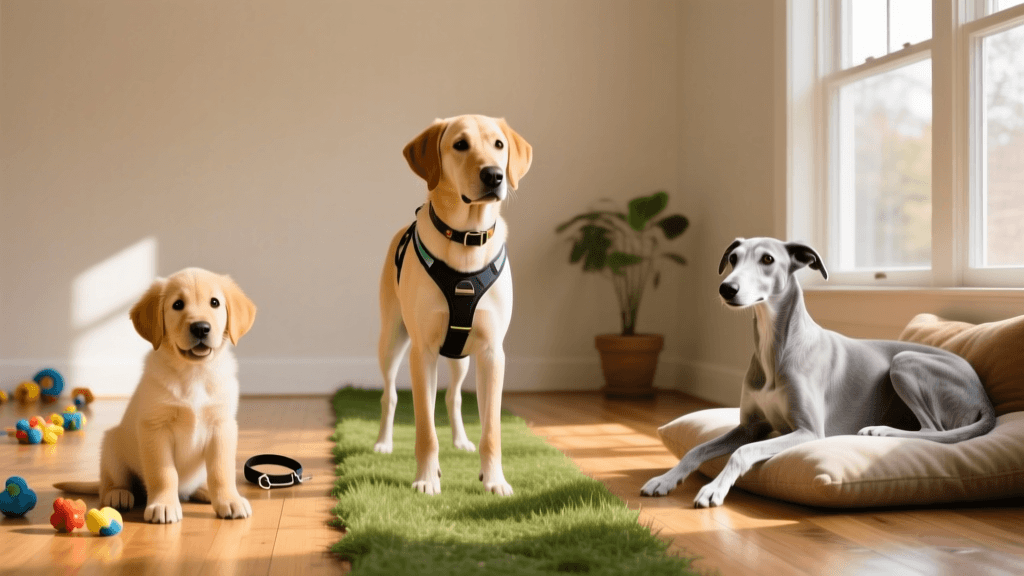
The Importance of Life Stage Selection in Dog Adoption
Bringing a new dog into your home is a life-changing decision that goes far beyond picking out a cute face or a favorite breed. One of the most critical factors in ensuring a successful, lifelong bond is choosing the right life stage. Whether you are considering an energetic puppy, a settled adult, or a gentle senior, each life stage comes with unique care requirements, financial commitments, and lifestyle adjustments. Understanding these differences is the cornerstone of responsible dog ownership.
At Paws-Tales, we believe that matching a dog's life stage to your human life stage is just as important as breed selection. In this comprehensive guide, we will break down the practical realities of adopting a puppy, adult, or senior dog, including specific product recommendations, estimated costs, and time commitments to help you make an informed decision.
Puppies (8 Weeks to 1 Year): The Blank Canvas
Puppies are undeniably adorable, but they are also incredibly demanding. Adopting a puppy means committing to a rigorous schedule of socialization, potty training, and basic obedience. You are essentially raising a canine toddler.
Daily Care and Training Requirements
Puppies require potty breaks every two hours, including throughout the night, until they develop full bladder control around 16 weeks of age. Crate training is essential for their safety and housebreaking. For a medium-to-large breed, invest in a 42-inch Midwest Homes for Pets iCrate with a divider panel, allowing the crate to grow with your puppy. Teething will peak around 12 to 16 weeks; keep a supply of KONG Classic rubber toys stuffed with frozen, dog-safe peanut butter to soothe their gums and save your furniture.
Financial Commitment
The first year of a puppy's life is the most expensive. According to the American Kennel Club, initial expenses for a puppy can range from $1,500 to over $3,000. This includes a series of core vaccinations (DHPP, Rabies, Bordetella), spaying or neutering, microchipping, and essential gear like a 6-foot leather training leash, a front-clip harness, and high-quality nutrition such as Purina Pro Plan Large Breed Puppy formula to support proper joint development.
Adult Dogs (1 to 7 Years): The Established Companion
Adult dogs are often the 'sweet spot' for many adopters. By the time a dog reaches one to seven years of age, their personality, size, and energy levels are fully established. What you see is generally what you get, and many adult dogs in rescues already know basic commands and are house-trained.
Daily Care and Training Requirements
While adult dogs still require daily exercise and mental stimulation, they do not need the constant supervision of a puppy. An adult dog typically needs 1 to 2 hours of physical activity daily, which can be split into morning and evening walks, coupled with interactive play. Mental enrichment is vital to prevent boredom-related behaviors. Puzzle feeders, such as the Outward Hound Nina Ottosson Dog Brick, are excellent for engaging an adult dog's mind during meal times.
Financial Commitment
The first-year costs for an adult dog are significantly lower than those for a puppy, generally ranging from $800 to $1,500. You bypass the expensive initial puppy vaccine series and early spay/neuter costs. Your primary expenses will be routine wellness exams, heartworm and flea/tick preventatives (like NexGard or Frontline Plus), high-quality adult maintenance food, and perhaps a few refresher obedience classes to bond and establish household rules.
Senior Dogs (7+ Years): The Gentle Souls
Adopting a senior dog is a profoundly rewarding experience. These dogs are typically calm, deeply appreciative of a soft bed, and content with a relaxed lifestyle. However, they do require specialized care to manage the physical realities of aging.
Daily Care and Training Requirements
Senior dogs need shorter, more frequent, and less strenuous walks to maintain mobility without stressing their joints. You will need to adapt your home to accommodate their aging bodies. Invest in an orthopedic bed, such as the Big Barker 7-inch platform bed, which is clinically shown to reduce joint pain. If you drive an SUV, a PetSafe Happy Ride folding pet ramp is essential to prevent your senior dog from jumping in and out, which can cause severe spinal or joint injuries. Additionally, veterinary-approved joint supplements like Nutramax Dasuquin can greatly improve their quality of life.
Financial Commitment
While you save on training and high-energy gear, senior dogs often incur higher veterinary costs. The ASPCA recommends bi-annual veterinary check-ups for senior dogs, including comprehensive blood panels to monitor kidney and liver function. First-year costs can range from $1,000 to $2,000, heavily weighted toward medical diagnostics, dental cleanings, and specialized senior diets like Hill's Science Diet Youthful Vitality.
Life Stage Comparison Chart
To help you visualize the differences, review the comparison chart below detailing the core metrics of each canine life stage.
| Life Stage | Age Range | Daily Exercise | Est. First-Year Cost | Training Time Required |
|---|---|---|---|---|
| Puppy | 8 Weeks - 1 Year | 2-3 Hours (Play/Walks) | $1,500 - $3,000+ | High (2+ hrs/day) |
| Adult | 1 - 7 Years | 1-2 Hours | $800 - $1,500 | Moderate (45 mins/day) |
| Senior | 7+ Years | 30-60 Mins (Low Impact) | $1,000 - $2,000 | Low (15 mins/day) |
Matching the Dog's Life Stage to Your Human Life Stage
The secret to a harmonious household is aligning your current lifestyle, career stage, and family dynamics with the dog's needs.
Young Professionals and College Students
If you work long hours, travel frequently, or live in a smaller apartment, an adult dog (3 to 5 years old) with a lower energy drive is usually the best fit. Puppies require someone to be home every few hours, which is incompatible with most full-time corporate jobs. An adult dog can comfortably hold their bladder for 6-8 hours while you are at the office, provided they get a solid walk before and after work.
Families with Young Children
Families with toddlers or young children often do best with a sturdy adult dog (2 to 5 years old) that has a known history of being good with kids. Puppies have needle-like teeth and can easily knock over a toddler during play, while very small or fragile senior dogs might be accidentally injured by a clumsy child. An adult, medium-to-large breed dog is typically robust enough to handle the chaotic energy of a busy household.
Retirees and Empty Nesters
Retirees often have the time and patience required for a puppy, but physically, a senior dog is frequently the perfect match. Seniors offer deep companionship without the physical strain of running miles behind a high-energy adolescent dog. They are ideal walking companions for neighborhood strolls and provide a profound sense of purpose and routine for empty nesters.
The 3-3-3 Rule of Adoption
Regardless of the life stage you choose, every adopted dog goes through a decompression period. As outlined by the Humane Society and widely adopted by rescue organizations, the 3-3-3 rule is a vital framework for new owners:
- 3 Days: Your dog may feel overwhelmed, scared, or unsure of their new surroundings. They might not eat or drink normally and will likely sleep a lot or hide.
- 3 Weeks: Your dog is starting to settle in, figuring out your routine, and letting their true personality begin to show. Behavioral quirks or minor training regressions may appear here.
- 3 Months: Your dog finally feels at home. Trust and a true bond have been established, and they understand that this is their forever environment.
'Patience is the most important tool in your dog care arsenal. Whether you are bringing home an 8-week-old puppy or a 10-year-old senior, giving them the time and space to decompress is the first step toward a lifelong, loving relationship.'
Conclusion
Choosing between a puppy, adult, or senior dog is not about finding the 'best' life stage in a vacuum; it is about finding the best life stage for you. Puppies offer the joy of shaping a dog from the ground up but demand immense time and financial resources. Adult dogs provide immediate companionship and established personalities, fitting seamlessly into active, working households. Senior dogs offer a quiet, profound gratitude and gentle love, perfect for those seeking a relaxed companion. By carefully evaluating your daily schedule, budget, and long-term lifestyle goals, you can confidently select the life stage that will lead to a successful, joyful adoption.
robin-maitland
All our authors care for dogs every day — read more of their work on the authors page.