The Psychology of Dog Routines: Why Predictability Cures Anxiety
Discover how a structured daily schedule reduces canine anxiety, fulfills breed instincts, and improves behavior through the psychology of dog routines.
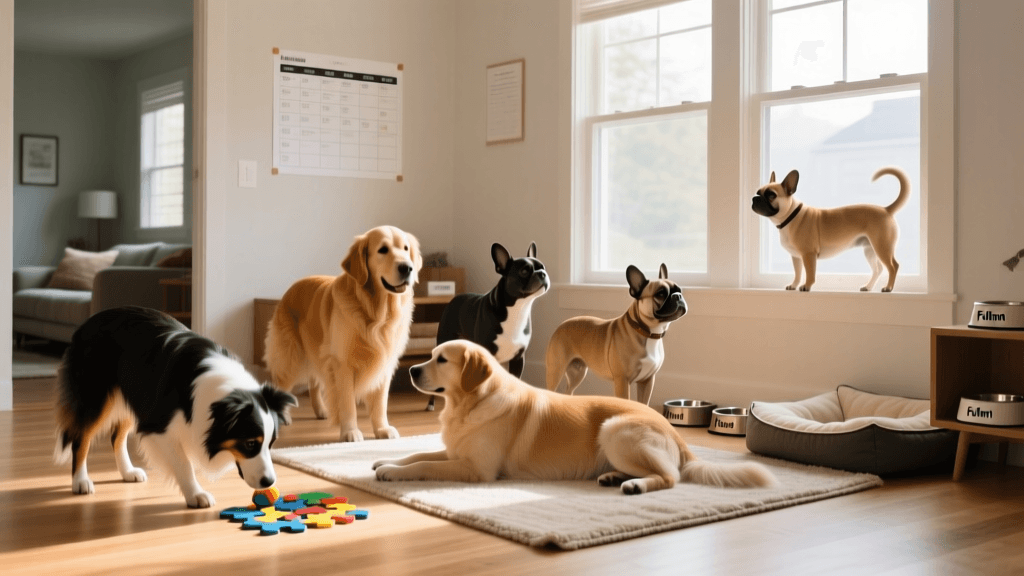
The Canine Brain on Predictability
Dogs are fundamentally creatures of habit. In the wild, ancestral canines relied on predictable patterns for hunting, scavenging, and resting. Today, our domesticated companions retain this deeply ingrained psychological need for order. When a dog understands what to expect and when to expect it, their brain operates in a state of baseline calm. Conversely, a chaotic or unpredictable environment forces a dog to remain in a state of hyper-vigilance, constantly scanning for clues about what will happen next.
From a neurological perspective, predictability directly influences the hypothalamic-pituitary-adrenal (HPA) axis, which regulates stress hormones. When a dog's daily schedule is erratic, cortisol levels remain elevated. Over time, chronic cortisol exposure can lead to anxiety, weakened immune function, and behavioral degradation. Establishing a firm wellness routine is not merely about convenience for the owner; it is a critical component of canine psychological health.
How Inconsistency Triggers Behavioral Issues
Many behavioral issues that owners attribute to "stubbornness" or "spite" are actually symptoms of underlying anxiety caused by a lack of routine. For example, a dog that does not know when its next meal, walk, or mental stimulation session will occur may develop resource guarding, excessive barking, or destructive chewing as coping mechanisms.
According to the ASPCA's guidelines on separation anxiety, dogs left without a predictable departure and return routine often exhibit heightened stress responses. When departures are unpredictable and lack a calming pre-departure ritual, the dog's brain cannot properly transition into a resting state, leading to panic and destructive behaviors. By standardizing your daily schedule, you provide your dog with the psychological safety required to relax when left alone.
Designing a Psychologically Sound Daily Schedule
A truly effective daily schedule goes beyond simply feeding and walking your dog at the same time each day. It must incorporate a balance of physical exertion, mental enrichment, and structured decompression. Mental fatigue is often more effective at curbing hyperactive behavior than physical exercise alone. The American Kennel Club's training and behavior resources emphasize that incorporating daily cognitive challenges fulfills a dog's natural problem-solving instincts, leading to a calmer, more balanced demeanor.
The Ideal Daily Wellness Routine
Below is a sample schedule designed for an adult, moderately active dog (e.g., a Labrador Retriever or Boxer mix). Adjust the timings to fit your work schedule, but strive to maintain the sequence and duration of activities to maximize psychological benefits.
| Time | Activity | Duration | Psychological Benefit |
|---|---|---|---|
| 6:30 AM | Morning Sniffari (Decompression Walk) | 20 mins | Fulfills foraging instincts; lowers morning cortisol through olfactory stimulation. |
| 7:00 AM | Structured Feeding & Impulse Control Training | 15 mins | Builds focus and reinforces the owner as a reliable provider of resources. |
| 12:00 PM | Midday Enrichment (Lickimat or Snuffle Mat) | 10 mins | Provides a midday dopamine release and prevents barrier frustration. |
| 5:30 PM | Vigorous Physical Exercise (Fetch/Flirt Pole) | 30 mins | Burns excess energy, releases endorphins, and satisfies prey-drive instincts. |
| 7:00 PM | Evening Wind-Down & Tactile Grooming | 15 mins | Activates the parasympathetic nervous system, promoting deep sleep. |
Fulfilling Breed Instincts Through Scheduled Enrichment
Understanding your dog's specific breed lineage is crucial when designing a wellness routine. A Border Collie's psychological need for herding and problem-solving differs vastly from a Basset Hound's need for scent-tracking. If a routine only addresses physical needs but ignores breed-specific instincts, the dog will likely develop neurotic behaviors.
- Herding Breeds (e.g., Australian Shepherds, Collies): Require routines that involve directional movement and impulse control. Incorporate treibball (pushing exercise balls) or structured agility drills into the evening exercise slot.
- Scent Hounds (e.g., Beagles, Bloodhounds): Need extensive olfactory work. Replace standard neighborhood walks with "Sniffaris" where the dog dictates the pace and is allowed to investigate scents for up to 15 minutes at a time. Studies show that 15 minutes of intense sniffing can lower a dog's heart rate and provide the equivalent mental fatigue of a one-mile run.
- Terriers (e.g., Jack Russell, Rat Terrier): Possess high prey drive and digging instincts. Schedule 10 minutes of flirt-pole work to satisfy the chase instinct, followed by a sandbox digging session or tearing apart a designated "destruction box" filled with safe cardboard.
As noted by the Humane Society's comprehensive dog care guide, incorporating daily enrichment tailored to a dog's natural inclinations prevents boredom-induced behavioral issues and promotes long-term emotional stability.
Actionable Tools for Routine Enrichment
To execute this schedule effectively, invest in specific, high-quality enrichment tools that promote independent problem-solving:
- The Kong Classic Red Rubber Toy: Stuff with 1/2 cup of plain Greek yogurt, 1 tablespoon of peanut butter (xylitol-free), and a handful of kibble. Freeze for 4 hours. Use this during the midday slot to provide 20-30 minutes of soothing licking behavior, which releases endorphins.
- Outward Hound Snuffle Mat: Hide 1/4 cup of high-value treats (like freeze-dried liver) within the fabric strips. Use this for the midday enrichment slot to engage the dog's primary sense (smell) and encourage natural foraging behaviors.
- Lickimat Soother: Spread mashed sweet potato or pumpkin puree across the textured surface. Licking is a self-soothing behavior for dogs, making this an excellent tool to use 30 minutes before guests arrive or before you leave for work to preemptively lower anxiety.
Transitioning to a New Routine Safely
If your dog is currently living on an erratic schedule, abruptly shifting to a rigid routine can cause temporary stress. Transition gradually over a 14-day period.
Step-by-Step Transition Protocol
- Days 1-4: Anchor only two events: morning feeding and evening walk. Keep the timing consistent within a 15-minute window.
- Days 5-9: Introduce the midday enrichment activity. If you work outside the home, use an automatic pet feeder or a timed treat dispenser to ensure the midday dopamine release occurs even in your absence.
- Days 10-14: Implement the evening wind-down and grooming ritual. Use a soft-bristle brush and gentle, long strokes down the dog's spine to stimulate the vagus nerve, which signals the brain to relax.
Conclusion
Understanding your dog requires looking beyond their physical needs and recognizing their deep psychological reliance on predictability. A well-structured daily schedule is not a restriction of their freedom; rather, it is the framework that grants them the confidence to relax. By aligning your wellness routines with your dog's evolutionary instincts and breed-specific drives, you transform daily chores into powerful therapeutic tools. The result is a dog that is not only physically healthy but emotionally secure, deeply bonded, and behaviorally balanced.
jonas-cole
All our authors care for dogs every day — read more of their work on the authors page.