Deep Pressure Therapy Training for Service Dogs: 2026 Guide
Master the 2026 protocol for training Deep Pressure Therapy (DPT) for psychiatric service dogs, covering positioning, cues, and ADA compliance rules.
Understanding Deep Pressure Therapy (DPT) in 2026
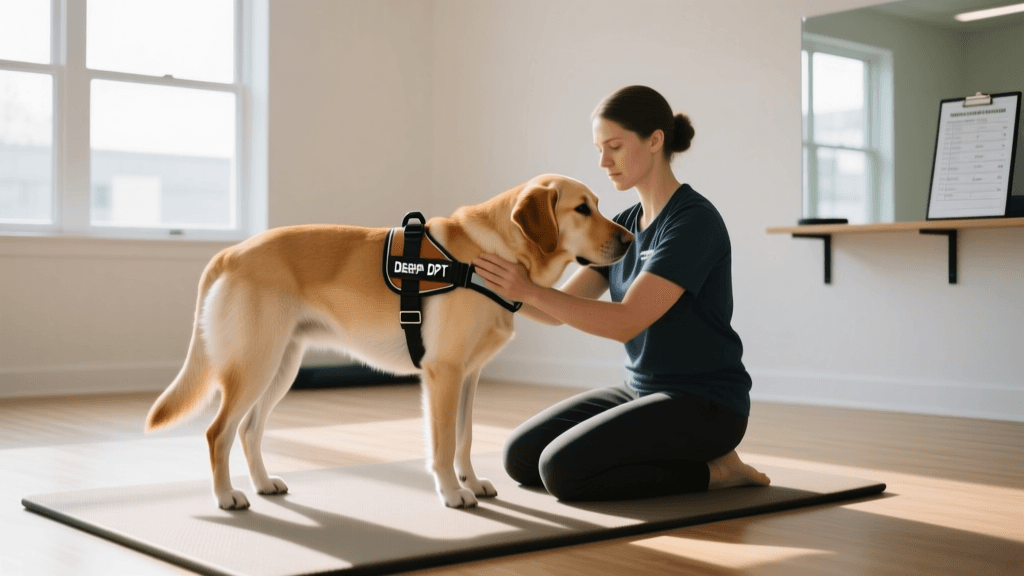
Psychiatric Service Dogs (PSDs) have become an essential lifeline for individuals managing conditions such as PTSD, severe anxiety, and sensory processing disorders. As we navigate 2026, the demand for highly trained PSDs has surged, and one of the most critical tasks these dogs perform is Deep Pressure Therapy (DPT). DPT involves the dog using its body weight to apply firm, targeted pressure across the handler's chest, lap, or legs. This proprioceptive input stimulates the parasympathetic nervous system, effectively lowering heart rate, reducing cortisol levels, and grounding the handler during a panic attack or dissociative episode.
Unlike emotional support animals, which provide comfort merely by their presence, a PSD must be trained to perform a specific, measurable task that mitigates the handler's disability. According to the Americans with Disabilities Act (ADA) Service Animal Guidelines, the mitigation of psychiatric episodes through targeted physical intervention like DPT qualifies a dog as a legitimate service animal, granting them full public access rights.
The Neurological Benefits of DPT
When a handler experiences a panic attack or sensory overload, the sympathetic nervous system triggers a 'fight or flight' response. Deep pressure stimulation activates the vagus nerve, prompting the brain to release dopamine and serotonin while decreasing the production of stress hormones. In 2026, occupational therapists and psychiatric professionals frequently recommend DPT as a non-pharmacological intervention. A well-trained service dog can recognize the subtle physiological shifts in their handler—such as changes in breathing patterns or micro-tremors—and initiate DPT to interrupt the escalating episode before it peaks.
Prerequisites for DPT Training
Before introducing Deep Pressure Therapy, your dog must have a rock-solid foundation in basic obedience and public access manners. The Assistance Dogs International (ADI) mandates that service dogs demonstrate exceptional impulse control, neutrality to distractions, and the ability to settle calmly in diverse environments. Your dog should already master commands such as 'sit,' 'down,' 'stay,' 'settle,' and 'leave it.' Furthermore, the dog must be comfortable with prolonged physical contact and handling, as DPT requires the dog to remain in a vulnerable, restrained position for extended periods.
Step-by-Step DPT Training Protocol
Phase 1: Targeting and Shaping the Behavior
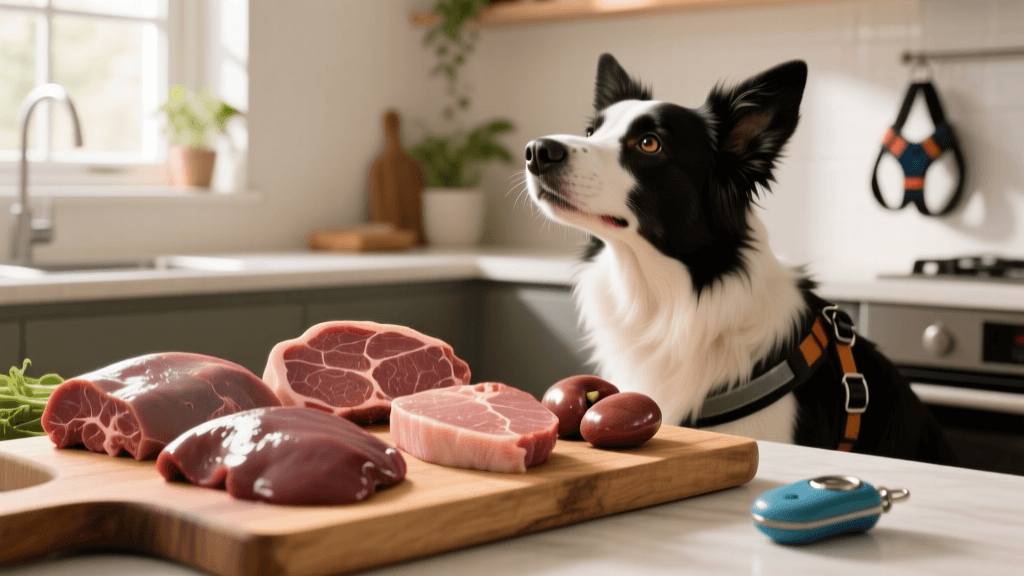
Begin by teaching the dog to target a specific body part. For a chest drape, sit in a chair or on the floor and use a high-value treat, such as freeze-dried beef liver or Zuke's Mini Naturals, to lure the dog's chin onto your chest. Mark the behavior with a clicker or a verbal marker like 'Yes!' the moment their chin makes contact, then reward. Repeat this until the dog reliably places their chin on your chest without the lure. Gradually shape the behavior to require more weight; wait to mark and reward until the dog rests their full head or places their paws on your lap.
Phase 2: Adding Weight and Duration
Once the dog understands the physical position, begin adding duration. Instead of marking the behavior immediately, wait for two seconds, then five, then ten. Introduce a release cue, such as 'Free' or 'All Done,' so the dog understands when the task is complete. If the dog breaks position before the release cue, calmly guide them back into place without rewarding. The goal is for the dog to remain relaxed, breathing deeply, and applying steady pressure for a minimum of three to five minutes—the average duration required to help a handler regulate their nervous system during an episode.
Phase 3: Cue Association and Generalization
Introduce the verbal cue 'Pressure' or 'DPT' just as the dog begins to move into the position. Practice in various environments: on the couch, in the car, on the floor, and in public seating areas. Generalization is critical; a dog that only performs DPT on the living room rug will not be effective during a panic attack in a crowded 2026 automated transit pod or a busy grocery store.
Recommended Positions Based on Dog Size
The effectiveness of DPT is heavily dependent on the dog's weight and the handler's body type. Below is a structured guide to selecting the optimal DPT position based on canine weight classes.
| Dog Weight Class | Ideal DPT Position | Effectiveness Rating | Best Suited For |
|---|---|---|---|
| Toy/Small (10-25 lbs) | Chest/Neck drape while seated | Moderate | Subtle grounding, children, or discreet public settings |
| Medium (26-55 lbs) | Across the lap or chest while reclining | High | Everyday anxiety management, wheelchair users |
| Large (56-90 lbs) | Full torso drape or laying across legs while supine | Very High | Severe PTSD episodes, deep sensory grounding |
| Giant (90+ lbs) | Leaning against legs or chest-to-chest floor drape | Maximum | Severe dissociation, mobility-assist dual-purpose dogs |
Scent Cueing vs. Verbal Cueing
In 2026, advanced PSD training often incorporates scent cueing alongside verbal commands. Dogs can be trained to detect the volatile organic compounds (VOCs) associated with cortisol and adrenaline spikes in human sweat and breath. By pairing the scent detection with the DPT behavior, the dog learns to initiate the pressure therapy autonomously when they smell an impending panic attack, even if the handler is dissociated and unable to issue a verbal command. This dual-cue approach is considered the gold standard for psychiatric service dogs managing severe PTSD.
Essential Gear for 2026 Service Dog Training
While DPT relies primarily on the dog's natural body weight, the right gear ensures safety and clear communication in public. The American Kennel Club (AKC) Service Dog Training Resources emphasize the importance of identifiable, well-fitted equipment. The Julius K9 IDC Harness remains a top choice in 2026 due to its ergonomic design and customizable patches (e.g., 'Service Dog: Do Not Pet'). For handlers who require dual-purpose mobility and psychiatric support, a specialized weighted vest or a harness with a rigid handle, such as the Rabbitgoo No-Pull Tactical Harness, provides the handler with stability while allowing the dog the freedom to transition into a DPT position when cued.
Troubleshooting Common DPT Challenges
- The Dog Falls Asleep: While a sleeping dog provides weight, they cannot actively adjust their pressure or monitor the handler's state. Train a 'check-in' behavior where the dog must lift their head to make eye contact every few minutes during duration training.
- The Dog Offers Unprompted DPT: If your dog begins throwing their weight onto you at inappropriate times, put the behavior on 'stimulus control.' Only reward DPT when the specific verbal or scent cue is given, and ignore or redirect the behavior if offered unprompted.
- Discomfort for the Handler: Large dogs can inadvertently cause bruising or restrict breathing if they place their weight directly on the handler's sternum. Train the dog to target the lower ribcage, abdomen, or legs, or use a thick foam pad on the handler's lap to distribute the pressure evenly.
- Public Access Distractions: If the dog breaks the DPT hold to look at a passing dog or person, return to foundational 'leave it' and 'focus' training. The dog must understand that the DPT task supersedes all environmental stimuli.
Conclusion
Training a psychiatric service dog to perform Deep Pressure Therapy is a profound commitment that requires patience, precision, and a deep understanding of canine behavior and human neurology. By following this structured 2026 protocol, utilizing positive reinforcement, and adhering to ADA and ADI standards, handlers and trainers can forge a life-saving partnership. A well-trained PSD does more than just provide comfort; they offer a tangible, physiological anchor that empowers individuals to navigate the world with confidence and resilience.
tom-renshaw
All our authors care for dogs every day — read more of their work on the authors page.