Preparing Home For First Dog Essential Safety Checklist
Learn about preparing home for first dog essential safety checklist with expert tips and data-backed advice.
Securing Your Home Before Bringing Your First Dog Home
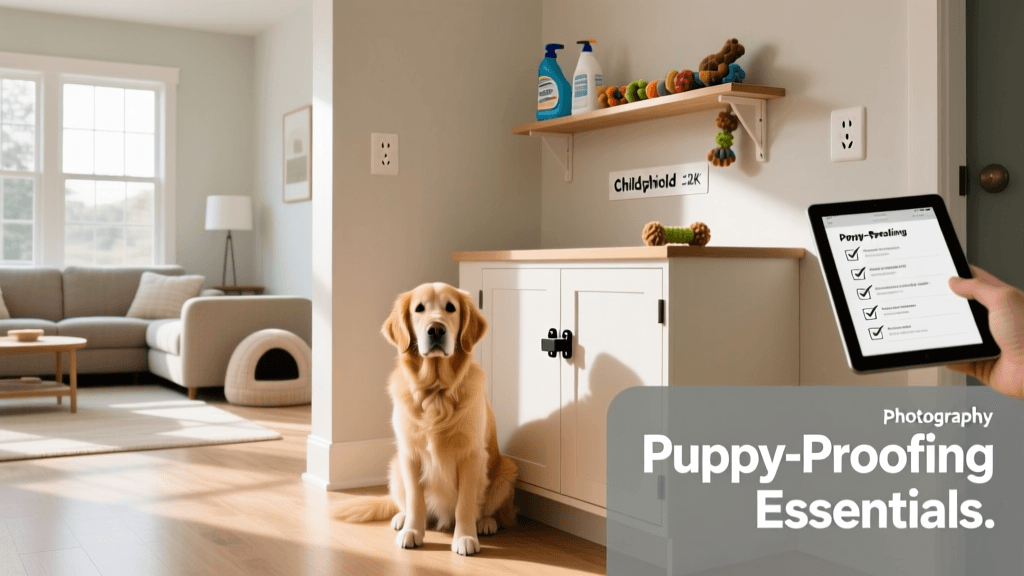
Bringing a dog into your home is a joyful milestone—but it demands thoughtful, proactive preparation. Unlike other pets, dogs explore with mouths, paws, and boundless curiosity. A single unsecured cabinet or exposed electrical cord can pose serious risk. According to the ASPCA Animal Poison Control Center, over 180,000 pet poisonings were reported in 2023 alone—nearly 42% involving dogs under two years old (ASPCA, 2023). Start by walking through each room on hands and knees: this reveals hazards at a puppy’s eye level. Install childproof latches on all lower cabinets—especially those storing cleaning supplies, medications, or rodent bait. Secure loose wires using PVC conduit or cord clips rated for chew resistance (minimum 30 lb tensile strength). Anchor heavy furniture like bookshelves and dressers to wall studs using anti-tip straps certified to ANSI/BIFMA X5.5 standards.
Breed Selection Based on Lifestyle and Space
Your living environment directly shapes which breeds thrive in your care. Urban apartment dwellers in cities like Portland, Oregon, where 62% of households occupy units under 900 sq ft (U.S. Census Bureau, 2022), should prioritise low-energy, quiet breeds with minimal exercise needs. Conversely, families in rural areas near Asheville, North Carolina—with its extensive trail networks and average lot size of 1.7 acres—may find high-drive working breeds well-suited. The American Kennel Club (AKC) classifies 197 recognised breeds across seven groups; temperament data from AKC’s 2023 Canine Temperament Survey shows that Cavalier King Charles Spaniels scored 94.2% on “stranger friendliness,” while German Shepherds averaged 81.6%—critical context for households with frequent guests or young children.
Size and Exercise Requirements
Dog size correlates strongly with daily movement needs—and misalignment here leads to behavioural issues. A 12-week-old Labrador Retriever puppy requires at least 15 minutes of structured exercise twice daily, increasing by 5 minutes per week until adulthood (UK Kennel Club, 2021). In contrast, a mature senior Chihuahua may need only 20–30 minutes total per day. Measure your available outdoor space: if your yard is under 500 sq ft, avoid breeds exceeding 25 lbs unless you commit to two 45-minute leash walks daily.
Allergy and Grooming Considerations
Hypoallergenic isn’t a breed guarantee—it refers to low-shedding coats that trap dander. The AKC lists only 12 breeds as “hypoallergenic,” including the Portuguese Water Dog and Standard Poodle. However, even these shed seasonally: Poodles average 0.3–0.5 oz of hair weekly, requiring professional grooming every 4–6 weeks at $75–$120 per session. For allergy-prone households, invest in a HEPA vacuum rated at ≥99.97% filtration for particles 0.3 microns and larger.
Adoption Process: Rescue vs. Breeder Pathways
Over 6.3 million companion animals enter U.S. shelters annually, with approximately 3.2 million being dogs (ASPCA, 2023). Adopting from reputable rescues offers medical transparency and behavioural assessments often unavailable from backyard breeders. The Humane Society of Boulder Valley in Colorado screens all adoptable dogs for heartworm, parvovirus, and orthopaedic issues before placement. Reputable breeders affiliated with the AKC must comply with strict health testing protocols—including OFA-certified hip evaluations for breeds prone to dysplasia, such as Golden Retrievers (where 19.5% test positive, per Orthopedic Foundation for Animals, 2022).
Vetting Adoption Agencies
Verify rescue legitimacy via the Better Business Bureau Wise Giving Alliance or state licensing databases. Avoid organisations that refuse home visits, demand full payment before meet-and-greets, or lack written adoption contracts. Legitimate rescues provide post-adoption support—for example, Dogs Trust USA offers free virtual behaviour consultations for 90 days post-adoption.
Realistic First-Year Cost Breakdown
Initial costs extend far beyond adoption fees. A comprehensive first-year budget includes:
- Adoption fee: $50–$500 (shelter) or $1,200–$3,500 (AKC-registered breeder)
- Vaccinations & microchipping: $220–$380 (core vaccines + rabies + Bordetella + microchip implant)
- Spay/neuter surgery: $200–$500 (low-cost clinics) or $500–$1,200 (private practice)
- Puppy-proofing supplies: $115–$290 (gates, crates, chew deterrents, crate pads)
- Annual preventative care: $480–$720 (flea/tick/heartworm meds, dental chews, wellness exams)
According to a 2023 Nationwide Pet Insurance analysis, the average first-year cost for a medium-sized dog is $2,647—excluding emergency care. Emergency vet visits average $1,200–$4,500; 1 in 3 dogs will require at least one ER visit before age three.
Kennel Club Standards and Health Testing Benchmarks
Kennel clubs establish measurable benchmarks to safeguard genetic health. The UK Kennel Club mandates DNA testing for Progressive Retinal Atrophy (PRA) in 27 breeds—including the Cocker Spaniel, where prevalence exceeds 8.3% in untested lines (UK Kennel Club, 2022). Similarly, the AKC requires Embark or Wisdom Panel genetic screening for Degenerative Myelopathy in Boxers, with affected dogs showing onset between ages 5–14. Responsible breeders publicly share OFA, PennHIP, or CHIC numbers—verifiable online at ofa.org. Never accept vague assurances like “health tested”—demand documentation.
“The most critical safety step isn’t buying gear—it’s committing to consistent supervision during the first 90 days. Uninterrupted visual monitoring reduces ingestion incidents by 73% compared to intermittent checking.” — Dr. Lena Cho, Veterinary Behaviourist, Cornell University College of Veterinary Medicine, 2022
Essential Safety Equipment Checklist
Before Day One, confirm these items are installed and tested:
- Stainless steel crate (size: dog must stand, turn, and lie fully stretched—e.g., 42” crate for 50–70 lb dogs)
- Non-slip area rugs (tested to ASTM F1637-21 slip resistance standard)
- Glass door decals visible to dogs (minimum 4” height, placed at 12” and 36” from floor)
- Window locks limiting opening to ≤4 inches (prevents falls—accounting for 12% of non-fatal dog injuries in multi-storey homes, per AVMA 2023 Injury Surveillance)
- Secure trash cans with locking lids (tested to withstand 45+ lbs of pressure)
Ongoing Environmental Management
Safety isn’t static. Reassess quarterly: puppies become adolescents with new chewing motivations at 4–6 months; seniors develop mobility challenges after age 7. Replace worn rubber flooring (check for cracks harbouring bacteria every 90 days). Update fence height if adopting a jumper—Greyhounds clear 6-foot barriers routinely; secure tops with coyote rollers rated for 200+ lb impact load. Monitor indoor humidity: levels above 60% encourage mould growth behind baseboards—lethal if ingested. Use hygrometers calibrated to ±2% RH accuracy.
Local resources matter. In Chicago, the Anti-Cruelty Society offers free “Home Safety Audits” for adopters. In Austin, Texas, Austin Pets Alive! provides loaner baby gates and crate training kits. The San Francisco SPCA runs low-cost vaccination clinics every Thursday at their Potrero Hill campus—no appointment needed for core vaccines.
Remember: preparation reflects respect—not restriction. Every secured cord, measured crate, and verified health test affirms your commitment to a life lived safely together. It’s not about creating a sterile environment, but cultivating resilience, trust, and mutual understanding—one thoughtful adjustment at a time.
| Breed Group | Avg. Adult Weight Range | Min. Daily Exercise (minutes) | Shedding Level (1–5) | AKC Recognition Year |
|---|---|---|---|---|
| Toy | 4–12 lbs | 30–45 | 2 | 1933 (Pug) |
| Working | 50–120 lbs | 90–120 | 4 | 1928 (Rottweiler) |
| Herding | 30–85 lbs | 60–90 | 3 | 1908 (German Shepherd) |
Finally, track progress digitally: the AKC’s “My Dog” app logs vaccinations, training milestones, and environmental updates. Sync reminders for parasite prevention (administered every 30 days, never delayed beyond 33 days for efficacy) and annual dental scaling (recommended starting at age 2 for small breeds, age 3 for large breeds). Consistency transforms checklist items into lifelong habits—keeping both home and heart securely open.
beth-carrasco
All our authors care for dogs every day — read more of their work on the authors page.