Ultimate Room-By-Room Dog-Proofing Guide For New Owners
Prepare your home for a new dog with our ultimate room-by-room dog-proofing guide. Discover essential safety tips, costs, and puppy-proofing products.
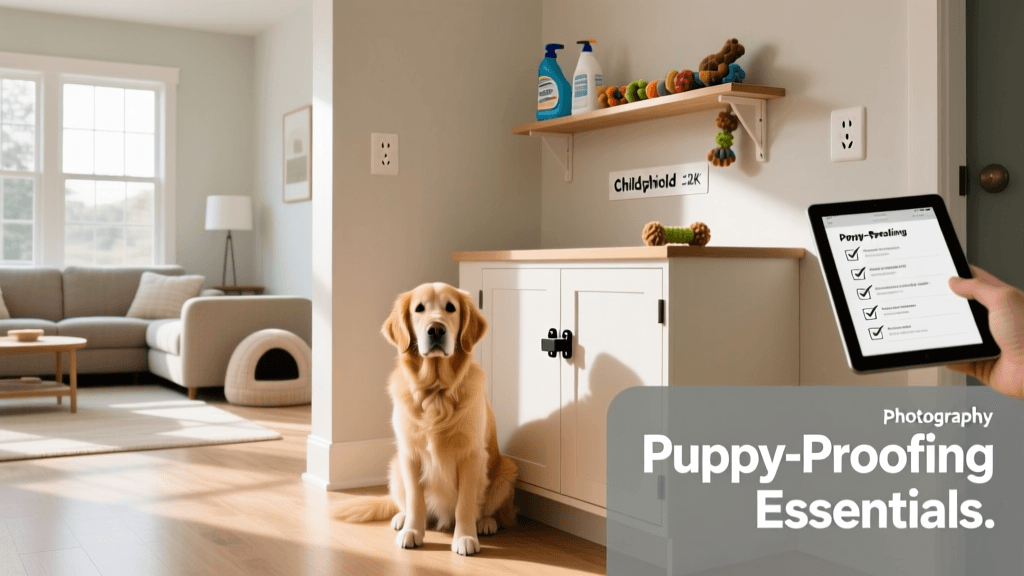
Bringing a New Dog Home: Why Dog-Proofing is Non-Negotiable
Bringing a new puppy or an adult rescue dog into your home is one of the most exciting milestones in life. However, viewing your home through the eyes of a curious, energetic, and often anxious canine is a critical step that many new owners overlook. Dogs, especially puppies, explore their environment primarily through their mouths. This natural instinct, combined with a lack of understanding of human hazards, can lead to destructive behavior, emergency veterinary visits, and tragic accidents.
According to the ASPCA Animal Poison Control, tens of thousands of pets are exposed to toxic household substances every single year, ranging from human medications and cleaning supplies to toxic houseplants and certain foods. An emergency vet visit for dietary indiscretion or toxin ingestion can easily cost between $500 and $3,000, not to mention the emotional toll on your new companion. Dog-proofing is not just about protecting your furniture; it is about creating a secure sanctuary where your dog can thrive without constant reprimands or life-threatening risks.
The Kitchen: The Highest Risk Zone
The kitchen is arguably the most dangerous room in your house for a new dog. Between toxic foods, sharp objects, and hazardous cleaning supplies, it requires rigorous preparation.
Food and Trash Security
Dogs are notorious scavengers. Foods that are perfectly safe for humans can be lethal to canines. Xylitol (an artificial sweetener found in sugar-free gum, mints, and some peanut butters), chocolate, grapes, raisins, onions, and garlic are highly toxic. Even a small amount of xylitol can cause a rapid, fatal drop in blood sugar and liver failure in dogs.
- Action Step: Move all toxic foods to upper cabinets or inside the refrigerator.
- Action Step: Invest in a heavy-duty, lockable, or weighted trash can. Brands like Simplehuman or iTouchless offer touchless, lockable bins that prevent 'dumpster diving.' Expect to spend between $80 and $130 for a high-quality pet-proof bin.
- Action Step: Never leave grocery bags unattended on the floor or low counters. A dog can easily pull down a bag containing grapes or chocolate in seconds.
Cleaning Supplies and Appliances
Under-sink cabinets often house bleach, detergents, and dish soaps. Install magnetic cabinet locks (such as the Safety 1st Magnetic Locking System, costing around $25) to ensure these doors remain securely shut. Additionally, always check the floor and lower shelves for dropped pills or sponges, and keep dishwasher doors closed to prevent access to toxic detergent pods.
The Living Room: Chewing and Choking Hazards
The living room is where your dog will likely spend most of their time relaxing with you. However, it is filled with enticements for a teething puppy or a bored adult dog.
Electrical Cords and Electronics
Chewing on electrical cords can result in severe oral burns, electrocution, or even a house fire. Puppies are particularly drawn to the texture of rubbery cables.
- Action Step: Use split loom tubing or cord concealers (like JOTO Cord Management Sleeves, approx. $15) to bundle and hide TV, lamp, and router cords.
- Action Step: Use adhesive cord clips to secure loose wires tightly against baseboards, out of the dog's reach.
Small Decor and Furniture
Remote controls, children's toys, coins, and small decorative items are prime choking hazards or intestinal blockage risks. If swallowed, an intestinal blockage requires emergency surgery, which typically costs between $2,000 and $5,000. Keep coffee tables clear and use storage ottomans or closed shelving for small items.
The Bathroom and Bedroom: Personal Items and Medications
Bathroom Safety
Human medications are a leading cause of pet poisoning. Ibuprofen, acetaminophen, and antidepressants can be fatal to dogs even in small doses. Always store medications in high, latched medicine cabinets, never in easily knocked-over toiletry bags or low drawers. Furthermore, keep the toilet lid closed. Dogs may try to drink from the bowl, exposing themselves to harmful bacteria or toxic automatic toilet bowl cleaners.
Bedroom Hazards
Socks, underwear, and shoes are incredibly tempting for dogs because they carry your scent. Swallowed textiles do not digest and frequently cause life-threatening gastrointestinal blockages. Make it a strict household rule to place all laundry directly into a closed hamper and store shoes in closets. Check under the bed regularly for forgotten items, dust bunnies, or small toys that may have rolled out of reach.
Windows, Balconies, and Yards
If you live in an apartment or home with balconies, ensure that railing gaps are narrow enough that a small dog or puppy cannot slip through. For windows, install sturdy pet-proof screens. Dogs may jump or fall through loose mesh screens if they see a squirrel or bird outside.
In the yard, inspect the fencing for gaps, loose boards, or areas where a digger might escape. Store fertilizers, pesticides, and cocoa bean mulch (which contains theobromine, the same toxic compound in chocolate) in locked sheds. Antifreeze (ethylene glycol) is notoriously sweet-tasting to dogs but highly lethal; clean up any garage spills immediately and consider switching to a pet-safe propylene glycol-based antifreeze.
Essential Dog-Proofing Products and Estimated Costs
To help you budget and prepare, here is a structured comparison of essential dog-proofing products every new owner should consider purchasing before the dog arrives.
| Product Category | Recommended Brand/Type | Estimated Cost | Primary Use Case |
|---|---|---|---|
| Baby/Pet Gates | Carlson Pet Products Walk-Through Gate | $40 - $70 | Blocking stairs, kitchens, or restricted rooms |
| Cable Protectors | JOTO Cord Management Sleeve | $12 - $20 | Preventing electrical cord chewing |
| Cabinet Locks | Safety 1st Magnetic Locking System | $20 - $35 | Securing cleaning supplies and under-sink areas |
| Taste Deterrents | Grannick's Bitter Apple Spray | $10 - $15 | Discouraging chewing on furniture or baseboards |
| Lockable Trash Can | iTouchless 13-Gallon Touch-Free | $80 - $130 | Preventing dietary indiscretion and scavenging |
| Indoor Playpen | MidWest Homes for Pets Foldable Pen | $45 - $65 | Creating a safe, enclosed play area when unsupervised |
Identifying and Removing Toxic Houseplants
Many popular indoor and outdoor plants are highly toxic to dogs. Chewing on leaves or digging in the soil can lead to severe vomiting, neurological issues, or organ failure. The ASPCA's comprehensive Toxic and Non-Toxic Plants list is an invaluable resource for identifying dangerous flora.
Common toxic plants to remove or place on high, unreachable shelves include:
- Sago Palm: Extremely toxic; ingestion of any part of the plant can cause severe liver failure and death.
- Oleander: All parts are toxic and can cause fatal heart abnormalities.
- Azaleas and Rhododendrons: Can cause gastrointestinal distress, drooling, and in severe cases, coma.
- Dieffenbachia (Dumb Cane): Causes intense oral irritation, swelling of the lips and tongue, and difficulty swallowing.
- Lilies: While more notoriously fatal to cats, certain lilies can still cause severe stomach upset and lethargy in dogs.
Action Step: Audit every room and your outdoor landscaping. Replace toxic plants with pet-safe alternatives like Spider Plants, Boston Ferns, or Calatheas.
Setting Up a 'Safe Zone'
Dog-proofing is not just about removing hazards; it is also about providing a secure, positive environment where your dog can decompress. A 'safe zone' is crucial, especially during the first few weeks of transition or when you cannot actively supervise them.
Crate Training Essentials
A properly sized crate acts as a dog's den. It should be large enough for them to stand up, turn around, and lie down comfortably, but not so large that they can eliminate in one corner and sleep in the other. For growing puppies, purchase a crate with a divider panel.
The Exercise Pen Alternative
If a crate feels too restrictive for your space, an indoor exercise pen (playpen) is an excellent alternative. Place the pen in a low-traffic but socially integrated area of the home. Outfit it with a comfortable bed, a few durable chew toys (like Kong Classics stuffed with frozen peanut butter), and a water bowl. This gives your dog freedom of movement while keeping them entirely safe from household hazards when you are cooking, showering, or working.
The First 48 Hours: Supervision is Key
No amount of dog-proofing replaces active supervision, especially during the first 48 hours. Keep your new dog on a leash indoors or confine them to a single, thoroughly dog-proofed room using a baby gate. Watch closely to see what they are drawn to. Do they sniff the baseboards? Are they fixated on the rug fringe? Identifying their specific interests early allows you to apply taste deterrents or redirect their behavior before a bad habit forms.
Conclusion
Preparing your home environment is a vital act of love and responsibility. By investing a weekend in room-by-room dog-proofing, purchasing the right safety equipment, and removing toxic hazards, you are setting the foundation for a long, healthy, and happy life together. A secure home means fewer 'no's, less anxiety for both you and your dog, and more time spent building an unbreakable bond.
tom-renshaw
All our authors care for dogs every day — read more of their work on the authors page.