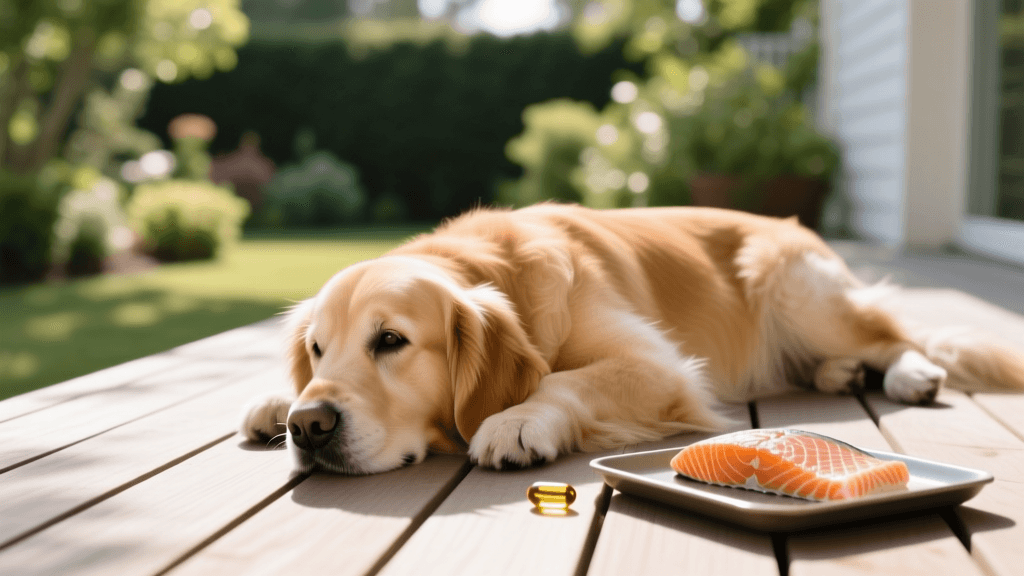
Omega-3 For Dogs 2026: How DHA Shapes Behavior And Anxiety
Discover how Omega-3 fatty acids like EPA and DHA influence your dog's brain chemistry, reduce anxiety, and improve focus for better behavioral outcomes.
The Brain-Behavior Connection: Why Omega-3 Matters
Understanding your dog goes far beyond simply reading their tail wags, interpreting their ear positions, or mastering basic obedience cues; it requires looking inward—literally. In 2026, the field of canine behavioral psychology has increasingly intersected with neuro-nutrition, revealing that what your dog eats profoundly dictates how they process fear, stress, and environmental stimuli. At the forefront of this behavioral revolution is Omega-3 fatty acid supplementation, specifically the long-chain polyunsaturated fats known as EPA (eicosapentaenoic acid) and DHA (docosahexaenoic acid).
While historically praised for joint mobility and coat health, modern veterinary behaviorists now recognize Omega-3s as critical modulators of canine brain chemistry. The canine brain is nearly 60% fat, and DHA is one of the most abundant structural fatty acids found in the cerebral cortex. This structural integrity is essential for optimal neurotransmitter function. When a dog's cell membranes lack sufficient Omega-3s, they become rigid, impairing the ability of serotonin and dopamine receptors to bind effectively. This cellular rigidity can manifest behaviorally as poor impulse control, heightened reactivity to sudden noises, and an inability to settle after a stressful event. According to nutritional guidelines discussed by the Tufts University Cummings Veterinary Medical Center, ensuring adequate levels of these essential fatty acids is foundational for cognitive health and behavioral stability across all life stages.
Neuro-Inflammation and Canine Anxiety
One of the most significant breakthroughs in understanding canine anxiety in 2026 is the link between systemic inflammation and behavioral reactivity. When a dog experiences chronic stress, their body releases inflammatory cytokines. These cytokines can cross the blood-brain barrier, leading to neuro-inflammation. A dog suffering from neuro-inflammation is physiologically primed for a fight or flight response, making traditional desensitization training incredibly difficult, if not entirely ineffective.
Omega-3 fatty acids, particularly EPA, act as powerful anti-inflammatory agents within the central nervous system. By competitively inhibiting the enzymes that produce pro-inflammatory molecules, EPA helps to cool down the neurological environment. This biological shift allows a dog's nervous system to return to baseline much faster after encountering a trigger, whether that trigger is a passing skateboard, a visiting stranger, or a sudden loud noise. If you are struggling with a reactive or fearful dog, the root cause might not be a lack of training, but a fundamental deficit in neuro-nutrition combined with physiological hyper-arousal.
Behavioral Shifts: Spotting the Signs of Neuro-Inflammation
How do you know if your dog's behavioral issues might have a neuro-nutritional component? While only a certified veterinary behaviorist can diagnose the root cause of severe anxiety, certain behavioral patterns often correlate with Omega-3 deficiencies or high systemic inflammation. Below is a breakdown of how specific behaviors may be linked to brain chemistry and how targeted supplementation can help.
| Behavioral Symptom | Potential Neurological Link | How Omega-3 Helps |
|---|---|---|
| Pacing and Inability to Settle | Overactive sympathetic nervous system; impaired dopamine regulation. | EPA reduces neuro-inflammation, promoting parasympathetic (rest and digest) activation. |
| Leash Reactivity to Other Dogs | Heightened amygdala response; poor impulse control due to rigid cell membranes. | DHA improves cell membrane fluidity, enhancing prefrontal cortex inhibition of impulses. |
| Noise Phobia (Thunder/Fireworks) | Exaggerated cortisol release and delayed recovery to baseline. | Modulates cortisol production and accelerates neurological recovery post-stressor. |
| Senior Dog Confusion (CCD) | Oxidative stress and structural degradation of the aging cerebral cortex. | DHA provides structural support and antioxidants protect against cognitive decline. |
Dosing for Behavior: EPA vs. DHA Ratios in 2026
Not all Omega-3 supplements are created equal, and the ratio of EPA to DHA matters immensely when targeting specific behavioral outcomes. DHA is primarily structural, crucial for puppy brain development and staving off Canine Cognitive Dysfunction (CCD) in senior dogs. EPA, on the other hand, is functional and highly active in mood regulation and acute anxiety reduction. The American Kennel Club (AKC) Nutrition Resources emphasize that owners must read the fine print on supplement labels, as the total fish oil volume is not as important as the specific concentrations of EPA and DHA listed on the back of the bottle.
- For Puppy Focus and Learning (Under 1 Year): Prioritize a higher DHA ratio. DHA is vital for retinal and brain development, setting the foundation for a dog that can focus during early socialization and obedience training.
- For Adult Anxiety and Reactivity (1 to 7 Years): Prioritize a higher EPA ratio. EPA is the primary driver for reducing the neuro-inflammation that fuels reactive behaviors and generalized anxiety disorders.
- For Senior Cognitive Support (8+ Years): A balanced 1:1 ratio of EPA to DHA is ideal to both maintain structural brain integrity and manage age-related inflammatory markers.
Integrating Omega-3 into Behavioral Modification Plans
Nutrition is not a replacement for behavioral modification; rather, it is the foundation that makes training possible. Think of Omega-3s as lowering the threshold for learning. If your dog is over their reactivity threshold, no amount of high-value treats will penetrate their panic.
Behavioral modification without biological support is like trying to teach a dog to sit while they are standing on a bed of hot coals. Omega-3s help cool the coals, allowing the dog to actually process new information.
By supplementing with high-quality EPA and DHA consistently over a period of 8 to 12 weeks, you biologically lower that reactivity threshold. This creates a wider window of tolerance where your dog can actually process the counter-conditioning exercises you are practicing. For predictable stressors—such as thunderstorms, fireworks, or veterinary visits—some behaviorists in 2026 recommend a targeted dose of EPA-rich oil two hours prior to the event to maximize its calming anti-inflammatory effects during the peak of the stressor.
Choosing the Right Source: Purity and Sustainability
As our understanding of canine neuro-nutrition has evolved, so too has the industry's approach to sourcing. In 2026, sustainability and purity are paramount. Wild-caught, small-fish oils (like anchovy and sardine) remain excellent sources due to their lower position on the food chain, which minimizes heavy metal accumulation. However, algal oil has emerged as a premier, sustainable alternative that provides direct, bioavailable DHA and EPA without impacting fragile marine ecosystems.
When selecting a product, always look for the triglyceride form rather than the ethyl ester form, as the natural triglyceride form is vastly superior for canine absorption. Furthermore, ensure the product carries a Certificate of Analysis (COA) verifying it is free from PCBs, dioxins, and heavy metals. The American Veterinary Medical Association (AVMA) consistently advises consulting with your veterinarian before introducing high-dose supplements, as excessive Omega-3s can occasionally interfere with blood clotting or interact with specific medications.
Conclusion: A Holistic View of Canine Psychology
Ultimately, understanding your dog requires a holistic perspective that bridges the gap between psychology and biology. By recognizing the profound impact that neuro-nutrition has on canine behavior, you empower yourself to address anxiety and reactivity at the cellular level. Omega-3 fatty acids are not a magic cure-all, but in 2026, they stand as an indispensable tool in the modern dog owner's behavioral toolkit, paving the way for a calmer, more focused, and deeply understood companion.
marcus-aldridge
All our authors care for dogs every day — read more of their work on the authors page.